Ever looked at your tiles and thought, “A lick of paint could fix this”? We get the temptation.
With years of tiling know-how at Cavastone, we’ve heard it all, and yes, you can paint porcelain tiles. But trust us: it probably won’t be the best DIY move you make.
Below, we’ll show you exactly what happens when you paint porcelain tiles (spoiler: it gets messy), and why investing in a proper tile update is almost always the better choice.
Key Takeaways
- ✓Yes, you can paint porcelain tiles, but the results rarely live up to expectations.
- ✓Painted tiles struggle in high-traffic or high-moisture areas like kitchens and bathrooms.
- ✓A proper tile update adds value, looks better, and lasts longer than even the best paint job.
- ✓There are stunning alternatives that don’t cost too much money, and Cavastone can help you find the right fit.
Let’s Talk Paint: The Allure and the Issues
We get it, painting tiles sounds like a clever shortcut. It feels quick, budget-friendly, and straightforward.
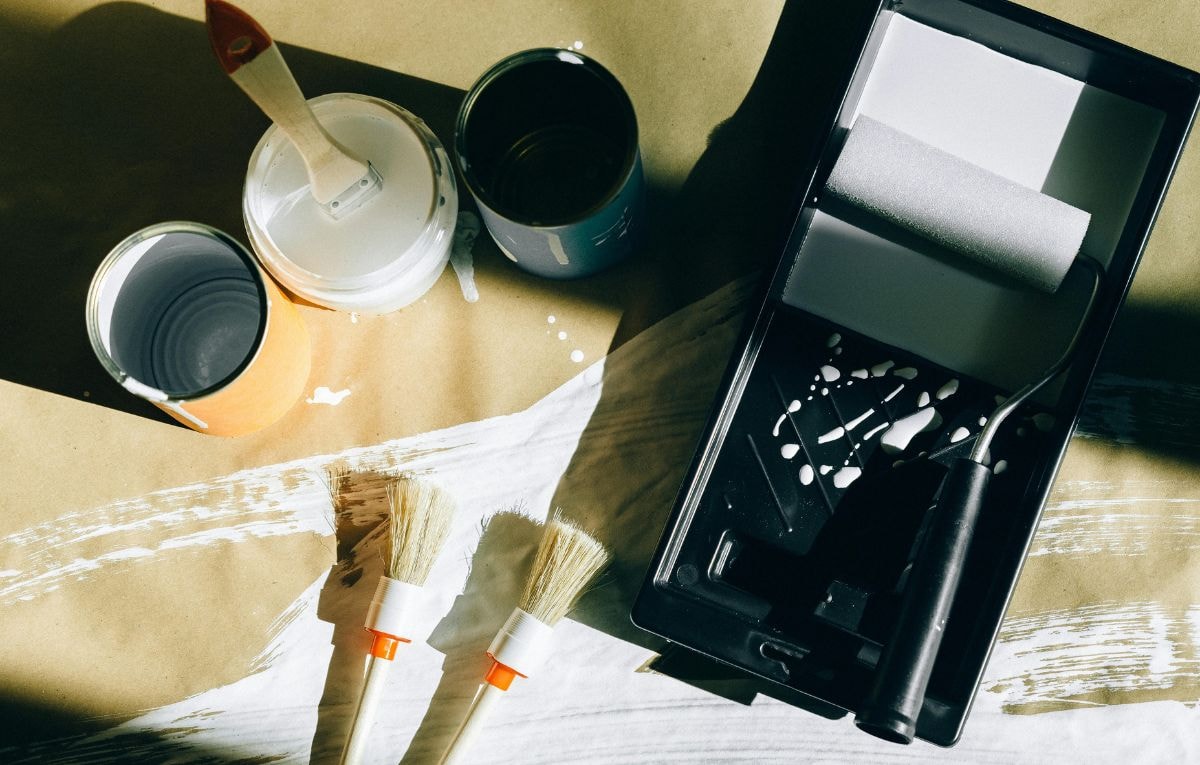
Grab some acrylic latex paint or chalk paint, a paint brush, maybe a foam roller, and off you go. Slap on a coat or two and boom, brand-new tiles without the hefty price tag.
But here’s the reality: it’s not that simple. And it rarely ends well.
Porcelain tile is notoriously fussy. It’s non-porous and covered in a glossy finish, which means paint struggles to stick, even if you do everything “right.”
Thorough surface preparation, sanding, and priming may help, but even then, epoxy paint, enamel paint, or whatever you’re using can start peeling, cracking, or discoloring within months.
If your tiles are in high-moisture areas like the bathroom, shower, or kitchen splashback? Expect problems even sooner.
Moisture seeps in, weakens the painted surface, and before long, you’re looking at bubbles, flakes, and patches of regret.
And then there are the grout lines.
These tiny gaps love to soak up paint differently than the tiles themselves, making your finish uneven.
Worse, painted grout tends to fade fast and can turn yellowish with time. Not ideal.
Let’s not forget the prep work, either.
Painting tile isn’t just slapping on some color.
It’s a full-on process: cleaning, sanding, properly preparing, priming, painting (twice), sealing, drying.
And if you skip a single step? The whole paint job is at risk of falling apart.
Long story short: what starts out as a “quick fix” quickly turns into a lot of work for often underwhelming results.
Skip the Paint, Keep the Glaze
The factory finish paint tries to imitate is already there on new porcelain. See the colors and looks in stock before you commit to a roller.
Step-by-Step Guide to Painting Tiles (If You Still Want To)
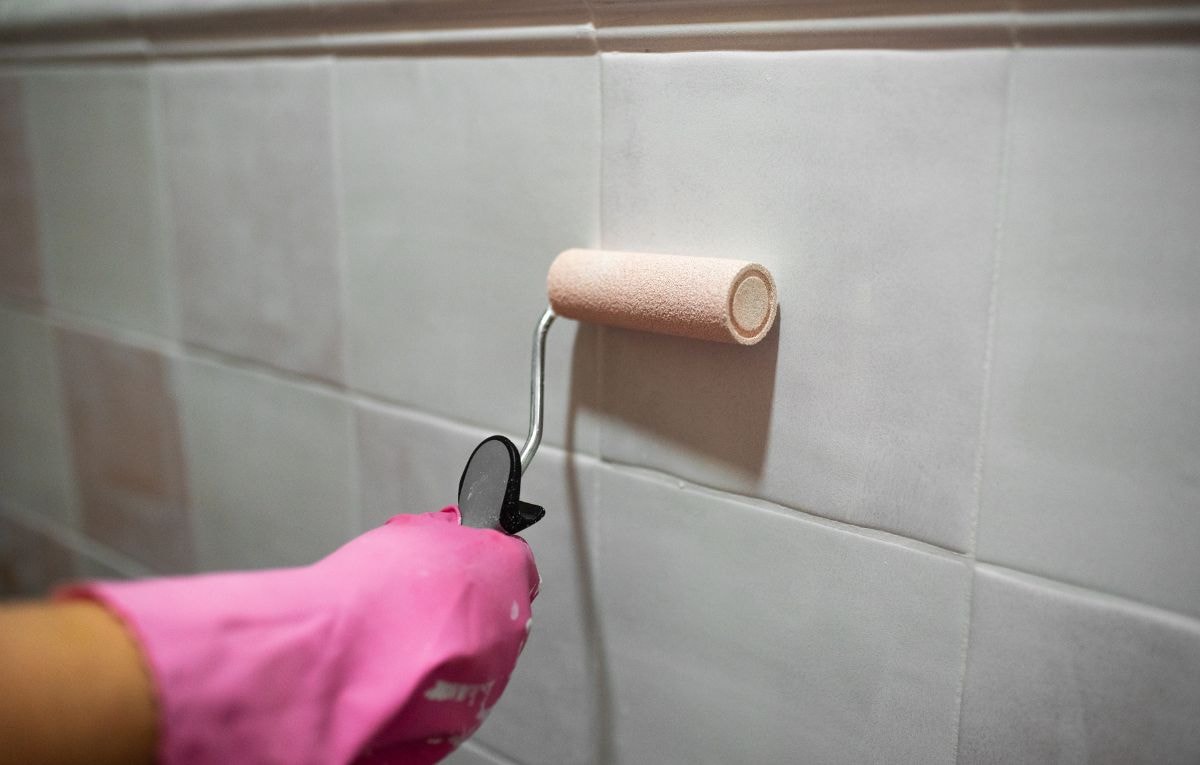
Alright, if you’re still determined to give it a go, here’s a quick overview of the process.
- Clean the Entire Surface – Use a mild detergent and a damp cloth to remove any dirt, grease or soap scum. Tiles need to be completely dry before you move on.
- Sanding – To help paint adhere to the glossy finish, you’ll need to sand every tile surface. This is a dusty job, so grab your mask and goggles!
- Properly Preparing – Use painter’s tape to mask off areas you don’t want painted, like walls or fixtures. If there are cracks, grab a putty knife and fill them in.
- Prime the Surface – You’ll need a high-adhesion primer specifically designed for tile. Apply the first coat and let it dry completely, and we mean completely.
- Apply Your Paint – Use epoxy paint, enamel paint or acrylic latex paint. Foam rollers work best for an even coat. Aim for thin, even layers.
- Add a Second Coat – Once the first coat is dry, apply the second coat. And maybe a third, if you’re not happy with the coverage.
- Seal It – Finish with a clear sealant to protect your painted surface. This helps with durability, but again, it won’t be magic in high-traffic areas.
And then? Hope for the best. Even with all this effort, the paint may chip, scratch or discolor, especially on floor tiles.
Why Updating Tiles Is the Smarter Option
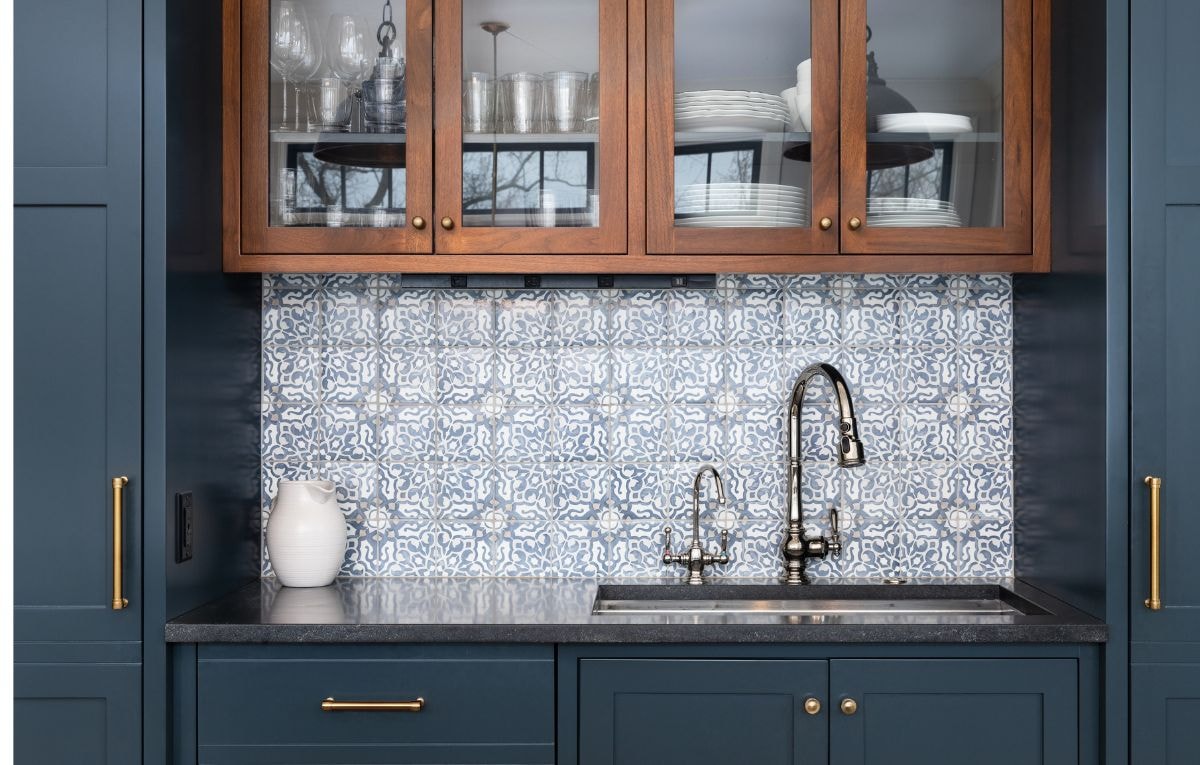
As tile experts, trust us when we say this: painting tiles often ends up costing more in the long run. It may seem like a fun home improvement project, but the aftermath tells another story.
This is why:
✓Durability – Painted tiles just can’t compete with the real deal. Whether it’s a bathroom wall or a travertine backsplash, freshly installed tiles are far more durable.
✓Longevity – That glossy finish on a porcelain tile isn’t there for fun. It protects the tile, resists moisture, and keeps it looking great for years. Paint simply can’t offer the same.
✓Maintenance – A painted surface requires more upkeep. You might find yourself patching cracks, cleaning with a soft touch, and re-coating sooner than you’d like.
✓Aesthetics – Let’s be honest, even the best paint job usually looks, well… painted. Tiles, on the other hand, offer rich textures, depth, and that beautiful natural stone feel that just can’t be faked.
Paint vs. replace at a glance
Don’t Throw Paint at the Problem: Tile Smarter
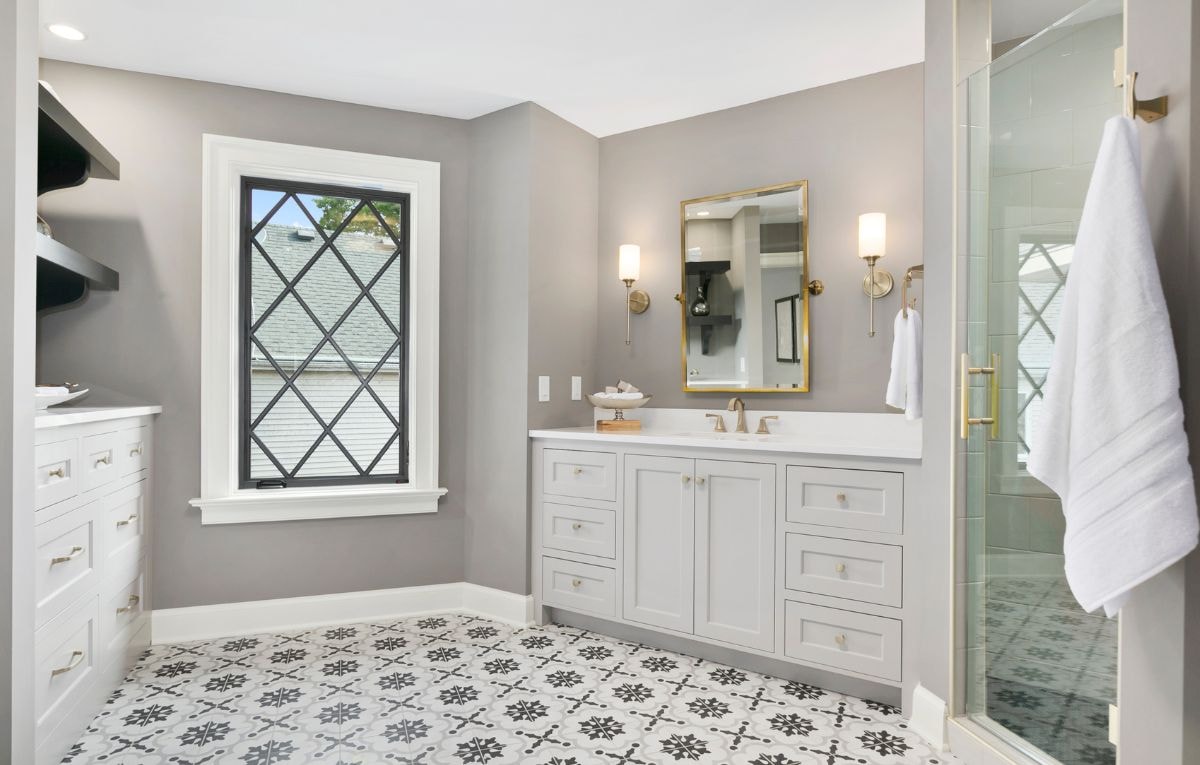
If your old tiles are dragging down your space, consider replacing them.
There are options that suit every budget, and with Cavastone’s range of ceramic tiles, travertine backsplash options, and porcelain tiles, you’re not limited.
You also don’t need to replace the entire surface. Sometimes, just changing up a backsplash or a feature wall gives your bathroom or kitchen a fresh new vibe.
Think of it this way: if you wouldn’t paint your countertops, why would you paint the tiles beneath them?
Instead of wrestling with painter’s tape, foam rollers, and second coat dilemmas, imagine choosing a tile that’s specifically designed to last.
Want the rustic elegance of natural stone? Or the sleek finish of a modern porcelain tile? You can have both, without the stress of surface preparation and the risk of a flaking finish.
And let’s not forget resale value. Homebuyers love a high-quality tile surface. Painted tiles? Not so much.
Still worried about cost? Don’t be. Cavastone can help you find beautiful, budget-friendly options that will completely transform your space.
From waterproof tiles for high-moisture areas like bathrooms, to durable choices for high traffic areas like kitchens and hallways, we’ve got something for every space, every style, and every wallet.
Updating your tiles isn’t just about looks, it’s about making your life easier and your home better.
Compare Materials for Your Space
Travertine for the backsplash, porcelain for the floor, or something else entirely? Put the options side by side in one place.
Drawn to the backsplash idea? See travertine options first.
Final Thoughts from Cavastone
So, can you paint porcelain tiles? Yes.
But should you? Probably not.
We’ve been in the tile business for years, and we’ve seen every kind of DIY disaster, from patchy paint jobs to slippery bathroom floors.
If you want to update your space without too much money or hassle, proper tiles are the way to go.
Pop into Cavastone, drop us a message, or browse our range online. Trust us, your future self will thank you.
Still have questions? Want help picking the right tile for your bathroom, kitchen or floor? Let Cavastone help you do it right the first time. Contact us today!
Bring Your Tile Question to the Showroom
Show us the surface you were about to paint. The Cavastone team can help you find a tile that fits the space, the budget, and the look you wanted from that paint can.
Frequently Asked Questions
1. Can you paint porcelain tiles in a shower?
Technically yes, but it’s not ideal. The constant exposure to moisture makes it very hard for paint to last. Even epoxy paint struggles to hold up long-term in showers.
2. Will chalk paint work on ceramic tiles?
Chalk paint can stick, but only with proper surface preparation and a good sealant. Still, it’s not recommended for high traffic or wet areas.
3. What’s the best paint for painting tiles?
Epoxy paint is your best bet, followed by enamel or acrylic latex paint. Just make sure you follow the manufacturer’s instructions and allow for proper dry time between coats.
4. Can I paint just the grout lines?
You can, but it’s tricky. Grout is a porous surface and will soak up paint differently from tiles. You’ll need a steady hand and a brush small enough to manage the job.
5. Is it worth painting travertine or natural stone tiles?
Not really. Painting travertine or other natural stone tiles defeats the point of having that gorgeous texture. Plus, paint adhesion on these surfaces is poor and often looks patchy.

Owner, Cavastone Group
With years of perseverance and pride in what we do we have become a very well known and positioned company in the Architectural and Design industry. The same perseverance, pride and attention to detail that made us become who we are, are the same qualities we strive to provide to all our customers.