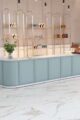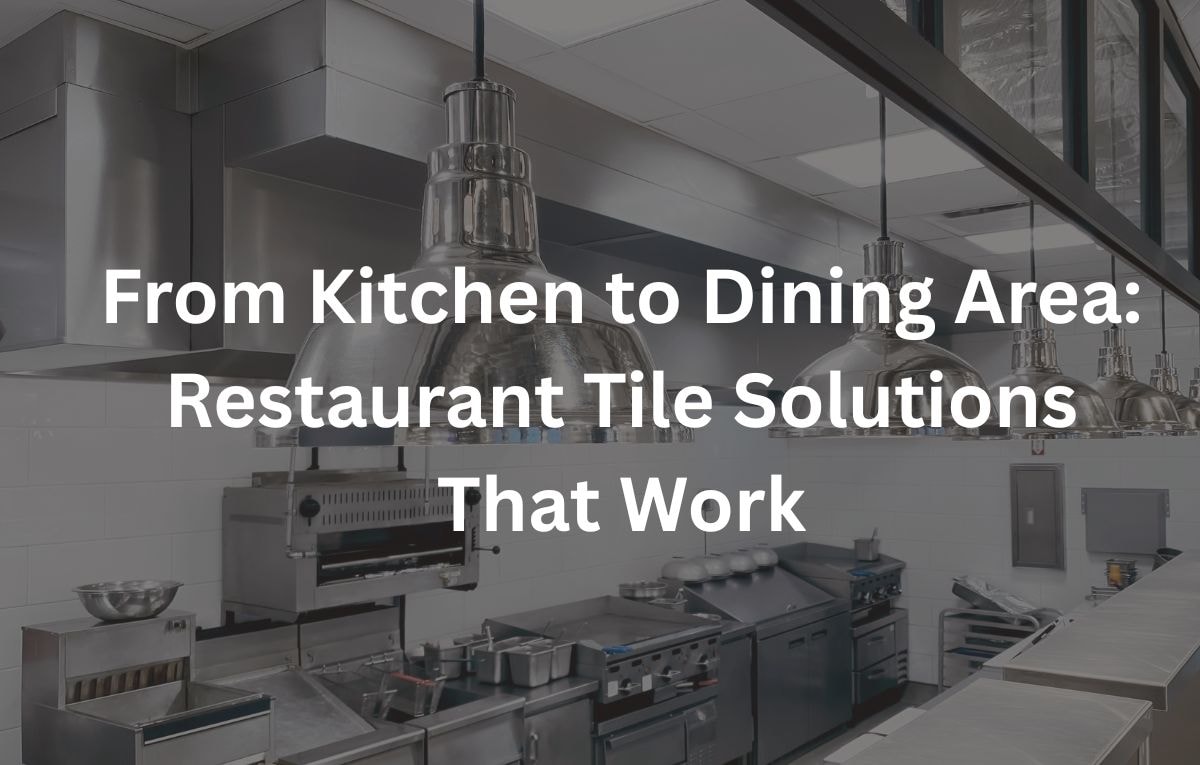
Looking for restaurant tile that won’t crack under pressure? You’re not alone. Whether you’re running a busy coffee shop, a fine dining restaurant, or a high traffic bar, one wrong flooring decision can cost you more than just money. Let’s break down what tile selection works, what lasts, and what actually holds up in the real world of commercial settings, from sizzling kitchens to cozy dining areas.
Key Takeaways
- Choose a restaurant tile that balances safety, durability, and style for both kitchen and dining areas.
- Quarry tile and ceramic tile offer top performance in high traffic areas like commercial kitchens.
- Prioritize slip resistance, low maintenance, and high temperature tolerance in your flooring.
- Stylish tile flooring options like porcelain and stonework well in customer-facing spaces.
Why Restaurant Tile Matters More Than You Think
This isn’t just about looks.
Tiles are an integral part of your business’s functionality and safety.
A tile that can’t handle heavy foot traffic, high temperatures, or constant moisture? That’s not just inconvenient, it’s a liability.
Here’s what you’re really looking for:
- Slip resistant flooring that keeps your team and customers upright
- Low maintenance surfaces that don’t need pampering
- Tiles that can stand the heat, literally
- Long-term durability and style that doesn’t fade
If your tiles can’t serve double duty in both aesthetics and technical performance, they don’t belong in your restaurant.
The Kitchen, The War Zone of Commercial Spaces
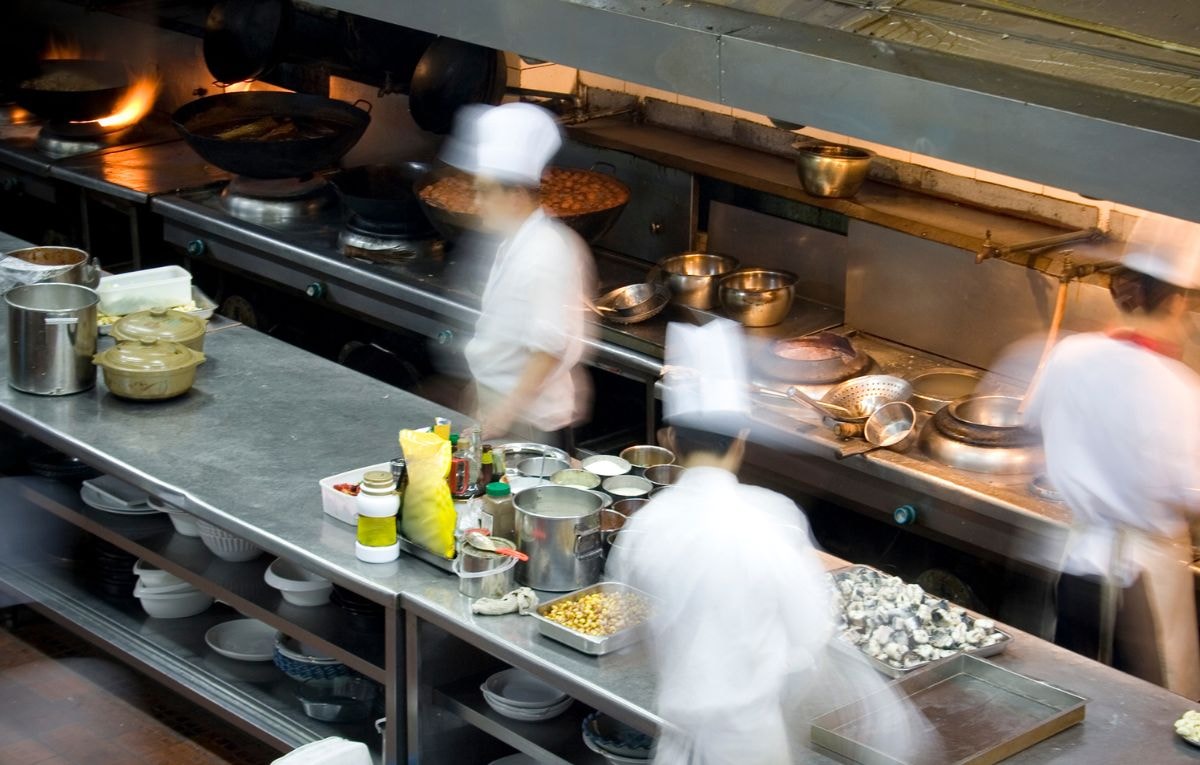
Commercial kitchens are the pressure cookers of the flooring world.
Spills, stains, abrasions, grease, and nonstop foot traffic. Your tile needs to withstand a beating and emerge looking clean, safe, and solid.
Best picks for commercial kitchen tiles [Source]:
✅ Quarry tile
- Naturally slip resistant
- Built to survive high temperatures
- Excellent choice for health and safety standards
✅ Ceramic tile
- More affordable than porcelain
- Great in prep areas
- Easy to clean and replace
✅ Slip resistant finishes
- Boost your floor’s coefficient of friction to reduce falls
- Critical in wet zones like dishwashing and fry lines
Dining Area Tiles, Where Looks and Durability Combine
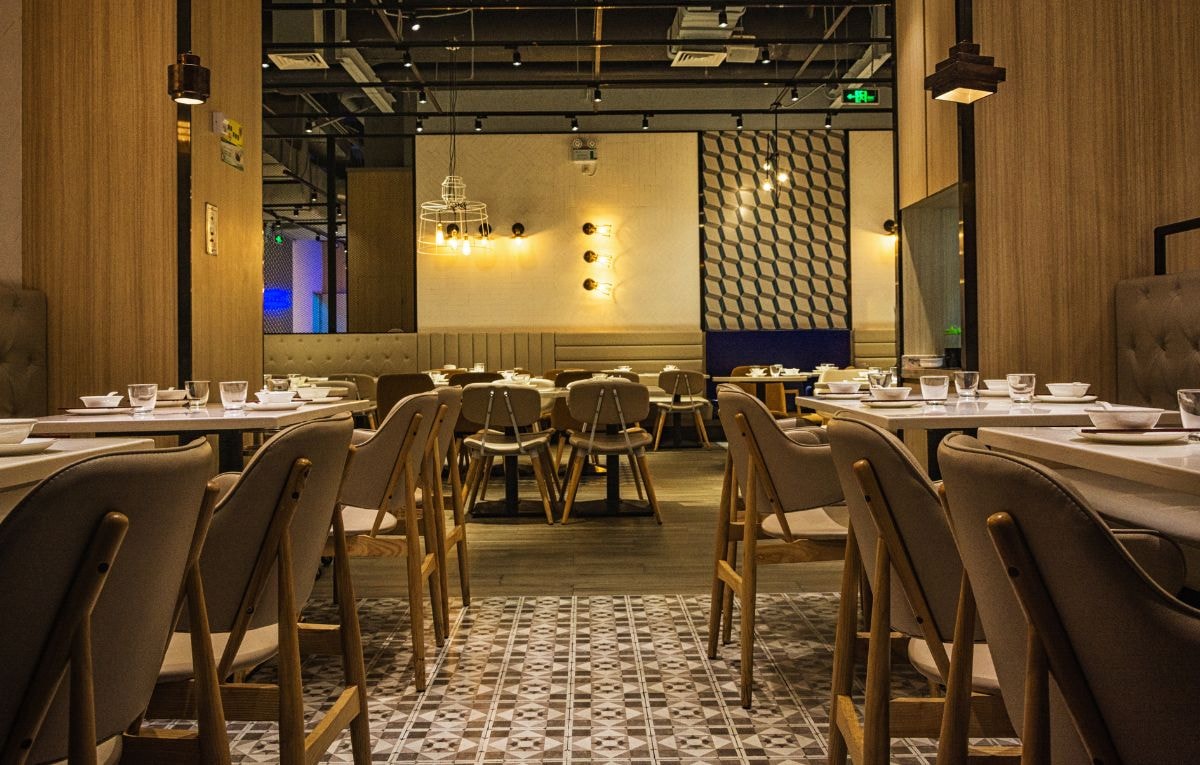
This is where you wow your customers, but you still need flooring that holds up to foot traffic, spilled drinks, and daily cleaning.
The goal is to find a balance between beauty and practicality.
Solid options for dining areas:
✅ Porcelain floor tiles
- Resists stains, scratches, moisture, and abrasion
- A low maintenance win that doesn’t compromise on style
✅ Natural stone like marble or travertine
- Natural stone brings elegance and warmth
- Works great in upscale restaurants and wine bars
- Just make sure it’s sealed and maintained
✅ Ceramic tile with patterns or texture
- Adds visual appeal and versatility
- Comes in various shapes, patterns, and finishes to match your vibe
Bar Areas, Coffee Shops, and Patios
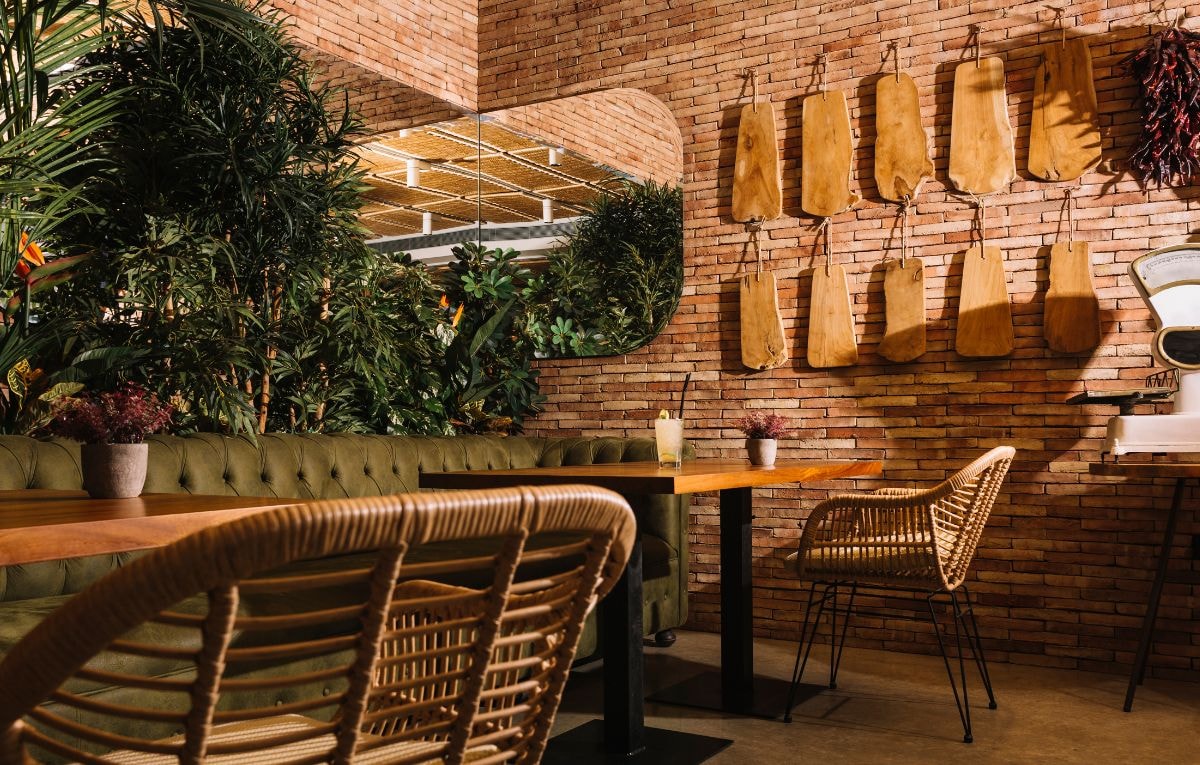
These high traffic areas have unique needs. They see more spills, quick steps, and hardwearing action than you’d expect.
What works best:
- Quarry tiles or slip resistant tiles for behind the bar
- Porcelain tile for patios thanks to its low absorption and durability
- Stone look tiles or concrete look ceramic tile for a modern, rugged aesthetic
What to Avoid in Restaurant Flooring
Here’s what doesn’t cut it in commercial settings:
- Residential grade tile – Can’t handle commercial foot traffic, prone to cracking
- Glossy finishes – Look good, but create dangerous slip zones in wet areas
- Poor quality materials – These cost more in long-term maintenance and repairs
Choosing a tile isn’t about trend chasing. It’s about longevity, safety, and hygiene.
Must-Have Tile Qualities for Commercial Kitchens and Dining Areas
If a tile can’t handle the following, it doesn’t belong in your restaurant:
- Slip resistance: Always check the tile’s coefficient of friction
- Moisture tolerance: Especially important in kitchens and patios
- Durability: Can it handle dropped pans, spilled food, and mop buckets?
- Ease of maintenance: You’ve got better things to do than baby your floors
- Heat resistance: Can it withstand high temperatures without warping?
- Stain resistance: Especially in bars and coffee shops, where brown liquids are always flying
Matching Tile to Function
Let’s get practical.
Fast food chains require tile flooring that prioritizes abrasion resistance and easy cleanup.
Fine dining spaces often feature natural materials with a marble or stone appearance, sealed for low maintenance.
Bars demand durability and slip resistance.
Coffee shops? Go for patterns and earth tones that hide stains and maintain style.
Whatever your space, your tile needs to perform under pressure.
Final Word: Choosing the Right Restaurant Tile Is Non-Negotiable
Restaurant tile isn’t just another design decision, it’s the foundation of your space.
It’s where food meets function, aesthetics meet abrasion, and service meets safety.
If it can’t handle spills, foot traffic, stains, and high temperatures, it doesn’t belong in your kitchen or dining area.
We’ve spent over 19 years helping restaurants, coffee shops, and bars across South Florida find the right tiles for commercial success. Contact our experienced team today to find the right restaurant tile for your needs.
Frequently Asked Questions
What is the best type of tile for commercial kitchens?
Quarry tile and slip resistant ceramic tile are top choices due to their durability, heat resistance, and safety.
Can I use residential tiles in a restaurant?
No, residential tiles can’t handle the heavy foot traffic, spills, and wear found in commercial settings.
How do I choose slip resistant tiles for my restaurant?
Look for tiles with a high coefficient of friction rating and textured finishes designed for safety in wet areas.
Are porcelain tiles good for dining areas?
Yes, they’re stain resistant, durable, and easy to maintain, making them a great fit for high traffic areas.
How often should commercial tile floors be maintained?
With the right materials, like low maintenance ceramic or quarry tile, regular sweeping and mopping are enough to keep them clean and safe.

Owner, Cavastone Group
With years of perseverance and pride in what we do we have become a very well known and positioned company in the Architectural and Design industry. The same perseverance, pride and attention to detail that made us become who we are, are the same qualities we strive to provide to all our customers.