
Looking to upgrade your living room floors but not sure where to begin? Choosing tiles can feel like walking into a showroom blindfolded, too many choices, not enough direction. After 19 years in the business, we have seen what works and what ends up getting ripped out two years later. If you’re wondering how to select tiles for living room renovations and new builds, here’s a step-by-step approach that actually works, rooted in real-world design experience.
Key Takeaways
- Assess lighting, size, lifestyle before picking your living room tiles.
- Choose materials based on use, natural stone tiles for wow, porcelain tiles for practicality.
- Use larger tiles, light colors to make rooms feel bigger.
- Texture, finish affect both function, style, don’t ignore them.
- Your living room floors should look good, also stand up to daily life.
Assess Your Space and Needs
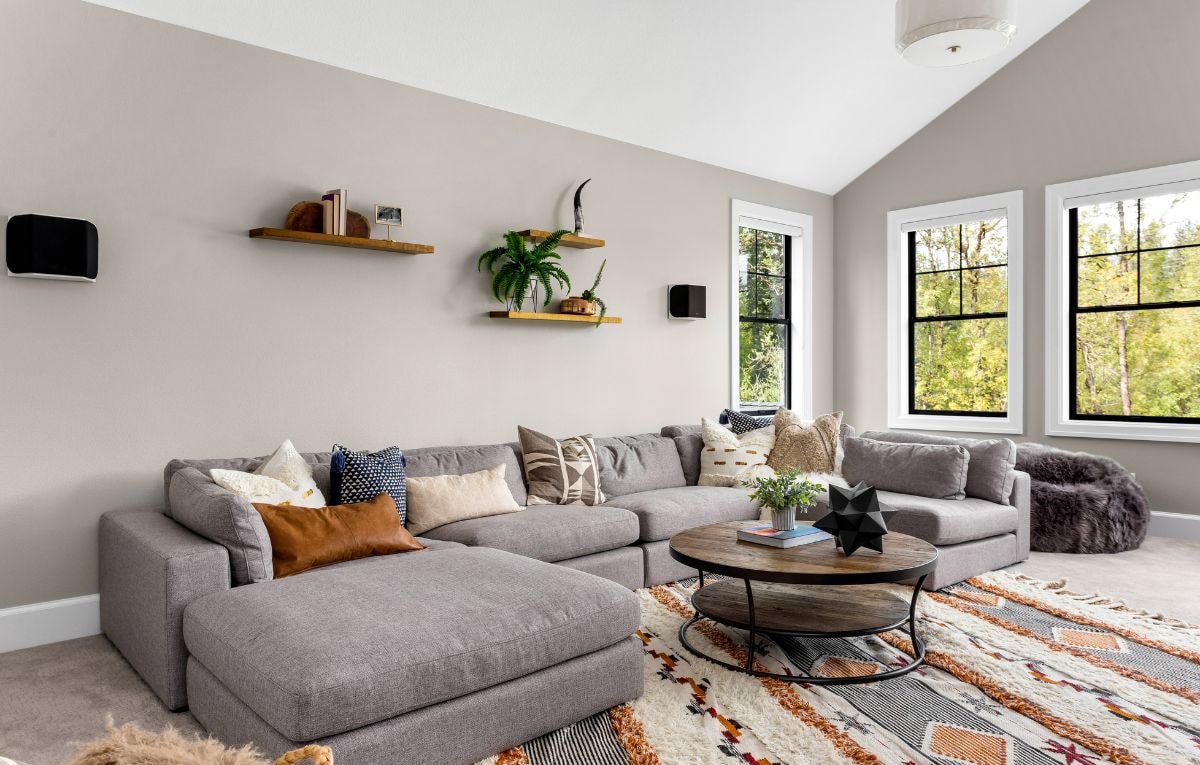
Before you pick a tile, let’s talk about your space.
Room Size and Lighting
Bigger room? You’ve got freedom. Smaller space? Strategy matters.
Here’s what to consider:
- Natural light plays a massive role. Rooms with lots of sunshine can handle darker or patterned living room tiles. Dimmer spaces need lighter floor tiles to reflect light and open things up.
- Ceiling height also changes perception. Lower ceilings benefit from large format tiles and lighter shades to create an airy feel.
Liefstyle
Do you live solo, have a dog, or host family every weekend?
Your living room floor tiles need to withstand that rhythm.
- Got kids or pets? Go for tiles that offer more traction, can handle heavy foot traffic.
- Entertain a lot? Choose something stain-resistant, low maintenance like porcelain tiles.
Budget
Money doesn’t stretch the same way for everyone.
But trust me, there’s a tile material out there that fits your wallet, your style.
- Want luxury? Marble tile, stone tiles are the go-tos.
- Need value? Ceramic tiles, cement tile offer serious bang for your buck.
- Don’t forget, installation cost depends on tile size, layout, and grout complexity.
Explore Tile Materials, Design and Practicality
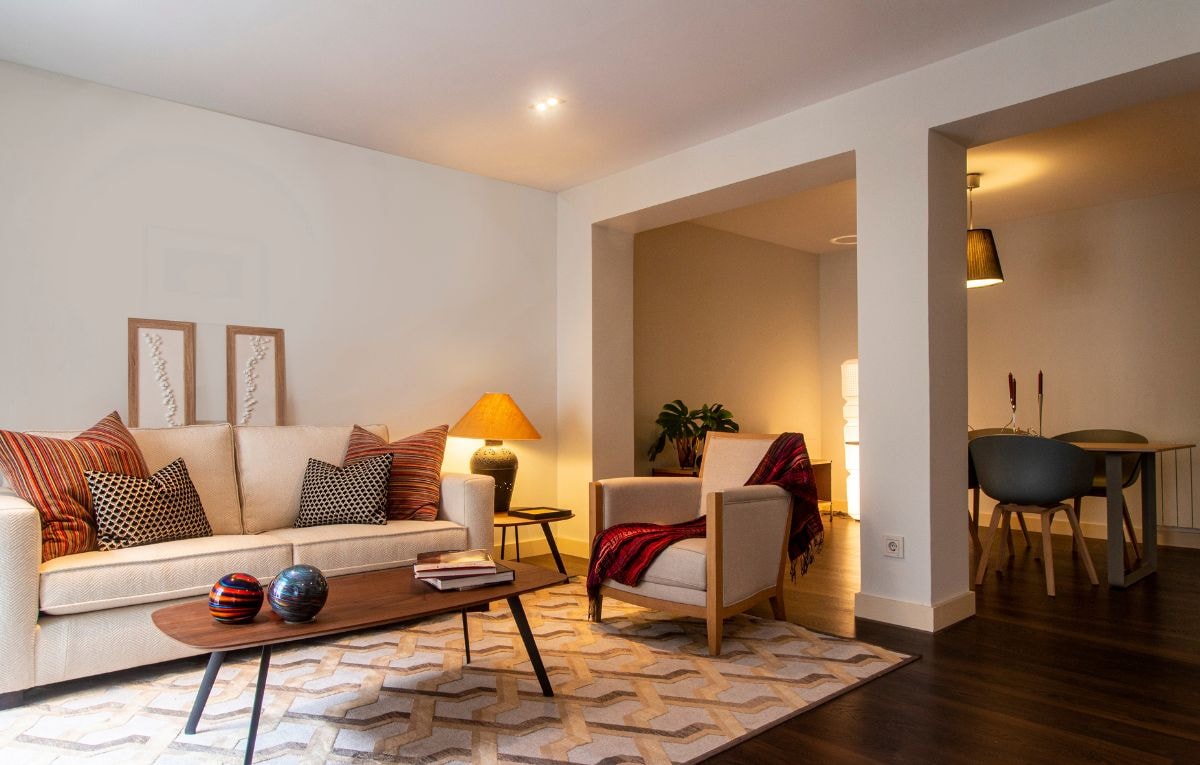
This is where most people freeze. So many choices.
Here’s a breakdown of what actually works in a living room.
Porcelain and Ceramic
Your best all-rounders. Durable, affordable, stylish.
- Porcelain tiles are denser, offer better water resistance, hold up in high traffic areas.
- Ceramic tiles are easier to cut, cheaper, come in every color scheme imaginable.
Best part? Both are low maintenance, durable, perfect for modern living room design.
Natural Stone (Marble, Granite)
Luxury lives here.
- Marble = elegance. Every piece has unique veining. Great for walls, floors where you want drama.
- Granite = toughness. Handles scratches, heavy foot traffic, heat.
If you want timeless class, natural stone tiles are an excellent choice.
Wood-Look Tiles
Love wood but hate scratches? Get the wood look with the durability of tiles.
- Works great with underfloor heating.
- Doesn’t warp or fade like real wood.
- Comes in rectangular tiles, planks, a range of shapes, shades.
Pairs beautifully with both modern and rustic living room styles.
Other Options, Textured Tiles to Make a Statement
Want walls that pop? Use textured tile.
- 3D patterns add depth.
- Think ceramic mosaics, cement tile, even glass for the fireplace surround.
- Perfect for creating visual interest in your decor.
Consider Tile Size, Color, and Finish
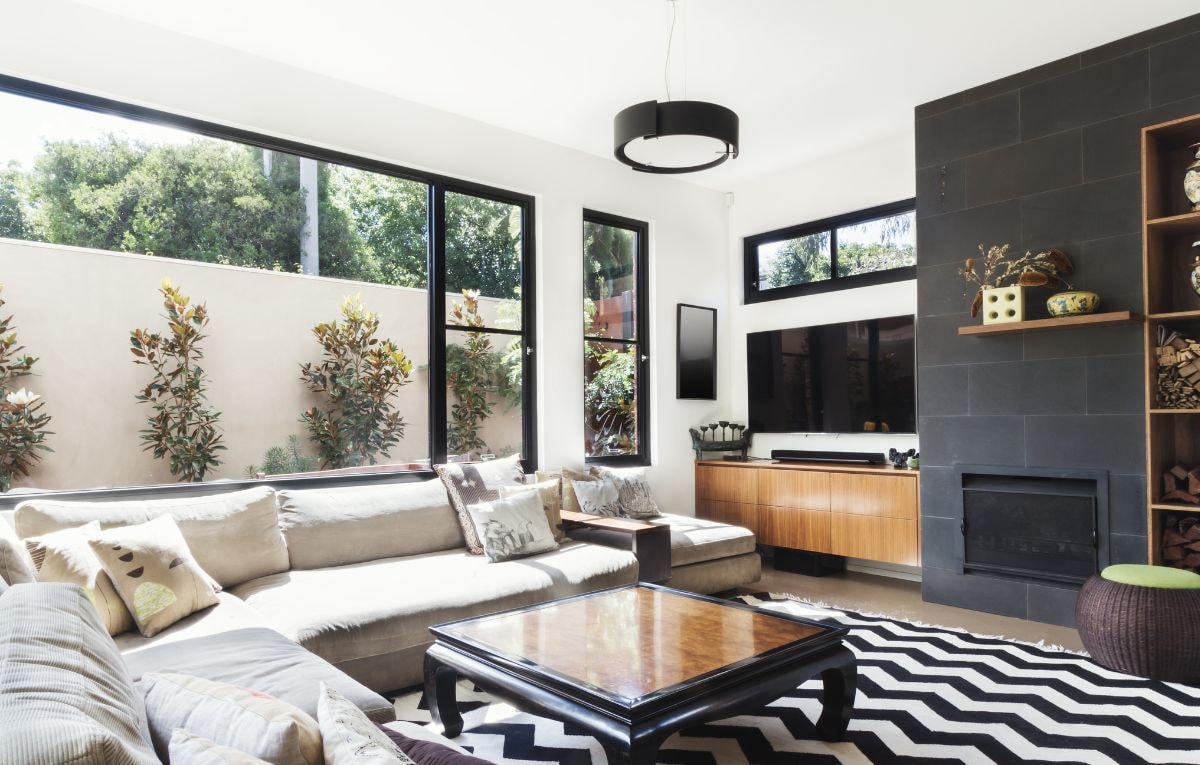
Now we’re talking design. Here’s how to make your space look bigger, brighter, bolder.
Size of Tile – Large Format vs Smaller Tiles
- Larger tiles = fewer grout lines, cleaner look.
- They make small rooms feel open, especially when combined with light shades.
- Rectangular tiles can stretch a room visually, run them parallel to the longer wall.
Color and Pattern Tiles
- Stick with your color scheme. Neutral tiles let your furniture, walls do the talking.
- Want a bold look? Try patterned cement tile, ceramic mosaics in strategic spots.
💡 Tip: Combine plain floor tile with a patterned wall tile behind the fireplace for max visual interest.
Finish of Tile
Finish changes the mood, the function.
- Glossy: Reflects light, ideal for darker spaces, but slippery.
- Matte: More traction, better for high traffic areas, or if you’ve got kids/pets.
- Textured: Adds depth, hides dirt. Great for walls, feature floors.
Real Talk: Common Mistakes to Avoid
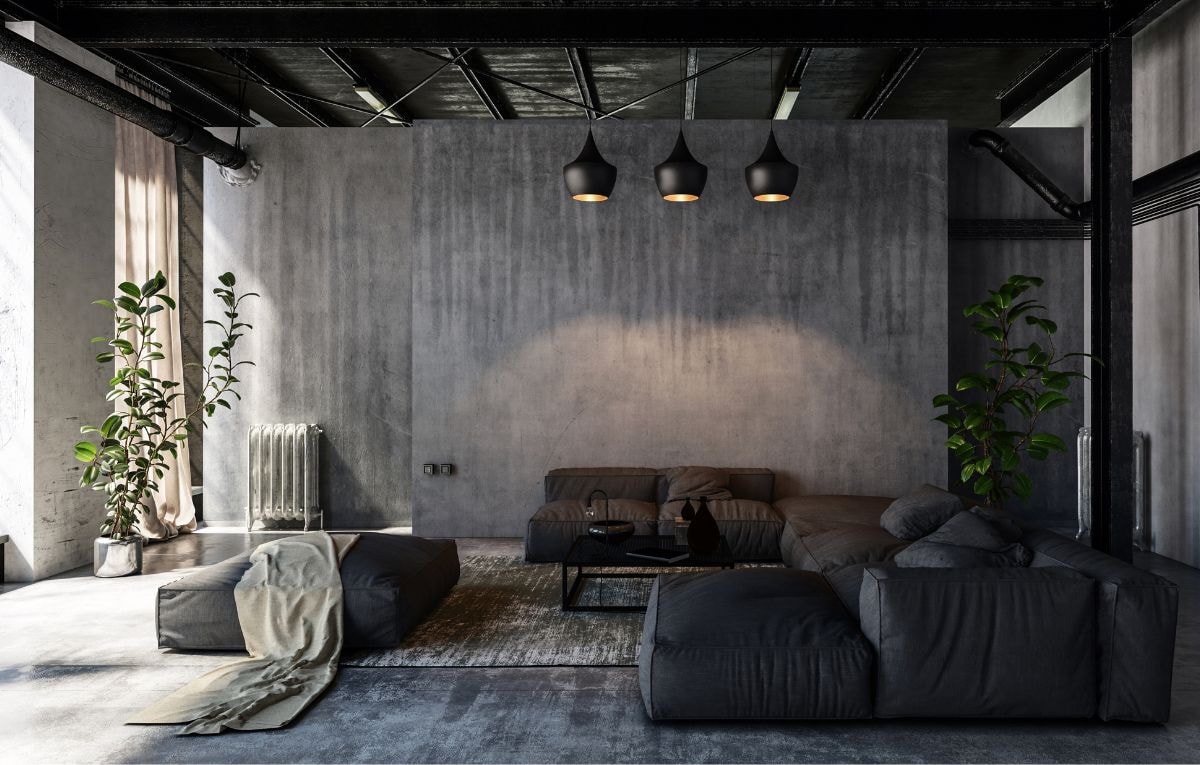
You don’t want to regret your new tile six months in.
- Don’t choose just for looks. That marble tile might crack if it’s not rated for floor use.
- Don’t ignore the grout. Dark grout hides dirt, but it needs sealing. Light grout can stain fast.
- Don’t skimp on installation. A bad layout ruins even the most expensive tile materials.
Bonus: Designer Tips from Cavastone

We’ve been helping South Florida clients choose tile for their homes for 19+ years. Here’s what works:
- Mix tile textures across walls, floors for layers of interest.
- Pair natural stone with ceramic for budget-friendly elegance.
- Use wood-look tiles in the living room, extend them into dining areas for flow.
- Make a ceiling-high wall tile installation around your fireplace to anchor the space.
Summary
Selecting tiles for your living room isn’t just a design choice. It’s an investment in how your home feels every day. Done right, the right tile materials can completely transform your space.
Ready to find your perfect match? Cavastone has you covered with expert advice, unbeatable quality, and the best prices in South Florida.
Contact us today for great deals on luxury tiles and expert help picking the right style for your home.
Frequently Asked Questions
What is the best tile material for living room floors?
For most homes, porcelain tiles are the best all-around option due to their water resistance, durability, and low upkeep.
Are large format tiles better for small living rooms?
Yes. Larger tiles make a small space feel more open by reducing the number of grout lines. Use light shades to bounce natural light and create an airy vibe.
Can I use wall tile on the floor?
In most cases, no. Wall tile isn’t made to handle heavy foot traffic or impact. Always check the rating before using any tiles on living room floors.
How do I choose the right tile color for my living room?
Start with your color scheme. Neutral tones like beige, gray, or warm whites are versatile and timeless. Use bold or patterned floor tile only if it supports your overall living room design.

Owner, Cavastone Group
With years of perseverance and pride in what we do we have become a very well known and positioned company in the Architectural and Design industry. The same perseverance, pride and attention to detail that made us become who we are, are the same qualities we strive to provide to all our customers.