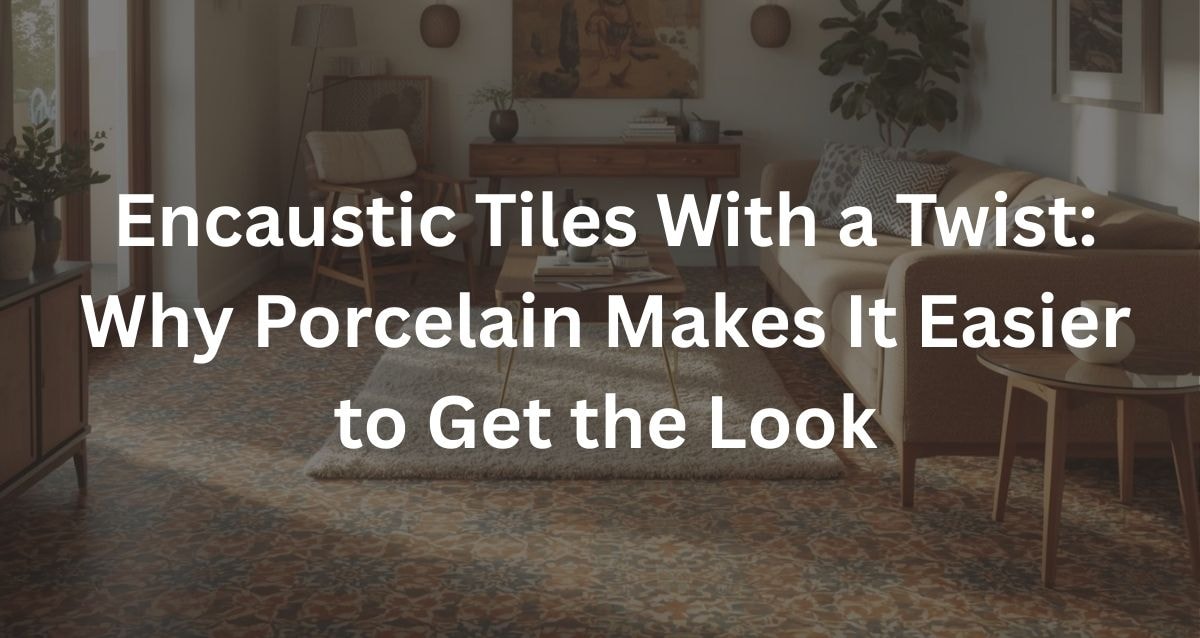
Bold patterns are back, vintage charm is trending, and homeowners everywhere are falling in love with encaustic tiles all over again. These beautifully patterned tiles bring personality, color, and character into any space, from cozy kitchens to dramatic entryways. But while traditional encaustic tiles are stunning, they aren’t always the easiest to live with long term, which is where porcelain steps in as the modern hero.
At Cavastone, we help homeowners get the timeless encaustic look they love with materials that actually fit real life. Let’s explore what encaustic tiles are, why they’ve been admired for centuries, and how porcelain encaustic tiles make this iconic style easier, stronger, and far more practical for today’s homes.
What Are Encaustic Tiles?
When people ask, “What are encaustic tiles?” The answer takes us back hundreds of years to a time when tile was truly an art form.
Traditional encaustic tiles are inlaid tiles made from layers of unfired clay mixed with natural pigments in different colours.
Instead of having a design printed on the surface, the pattern is created by pressing colored clay into molds. Once formed, the tile is fired in a kiln at high temperatures, permanently fixing the design into the material.
This tile production process made encaustic tiles incredibly durable for their time and visually rich in ways that surface-painted tiles could never achieve. The colors run through the tile itself, meaning even as the surface wears, the pattern remains visible.
You’ll often find these tiles in historic houses, Victorian buildings, churches, and even palace floors where skilled craftsmen created breathtaking surfaces that still inspire designers today.
Why Encaustic Tiles Became So Popular
- Deep, inlaid patterns rather than surface painting
- Rich different colors and bold geometric figures
- Matte, unglazed finishes with natural texture
- Made from clay, natural stone pigments, and cement-like materials
- Every tile felt handcrafted and unique
They were created not just as flooring, but as decorative statements meant to last for generations.
And visually? They still steal the show.
Key Features of Encaustic Tiles (And Why They Can Be Challenging Today)
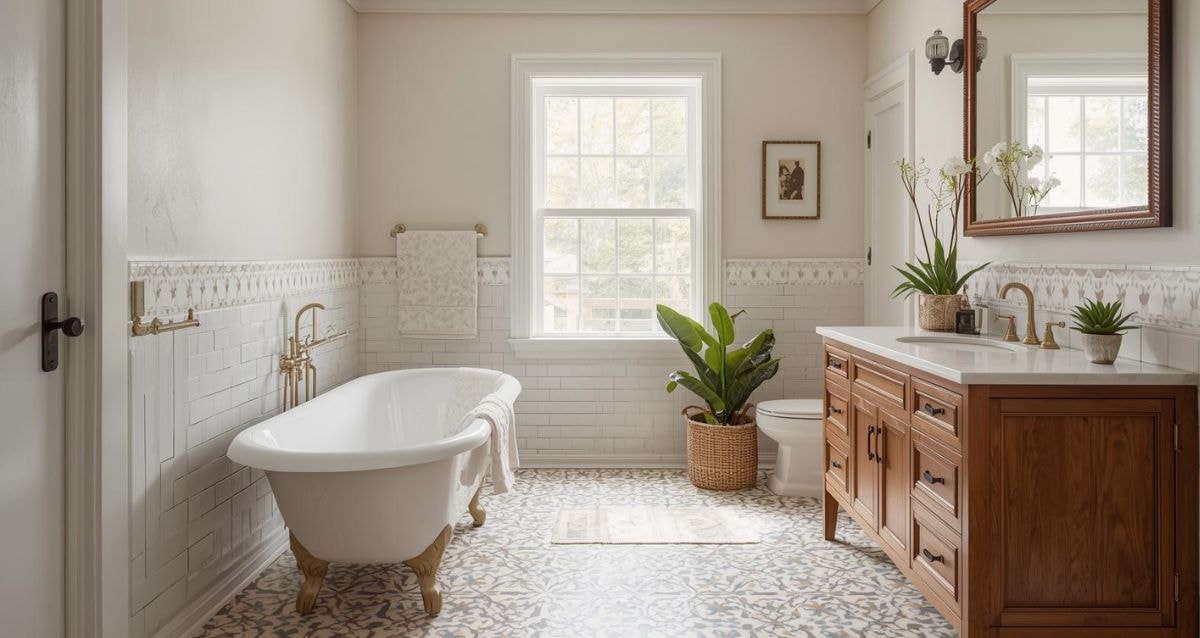
There’s no denying the beauty of encaustic tiles, but it’s just as important to understand how they perform in everyday modern homes.
Natural Materials With Natural Limits
- Traditional encaustic tiles are made using unfired clay, natural stone pigments, concrete-style mixtures, and mineral-based colours.
- These materials give the tile its earthy charm and soft matte surface, but they are also porous by nature.
- That means encaustic tiles absorb moisture, dust, oils, and spills easily.
- In kitchens, bathrooms, and busy floors, this can quickly lead to staining, dark patches, and uneven wear if the tile is not carefully protected.
- While these tiles were created to age beautifully in historic spaces, modern households tend to put much heavier use on floors and walls.
Unglazed Surfaces That Need Protection
- Most encaustic tiles are unglazed, meaning there is no protective layer sealing the surface.
- This is what gives them their authentic old-world look, but it also makes them vulnerable.
- Without sealing, water can penetrate the tile, stains can set quickly, and everyday dirt can become embedded in the surface.
- Even with sealing, homeowners must be mindful of what cleaners they use and how often maintenance is performed.
Ongoing Maintenance
To keep encaustic tiles looking their best, they must be:
- Sealed before installation
- Sealed again after installation
- Resealed regularly over time
- Cleaned gently to avoid surface damage
Miss a step and the tile can begin to look worn, uneven, or discolored much faster than expected.
For some homeowners, this level of care is worth it. For most, it feels like a lot of work for a surface that should be simple to enjoy.
Higher Cost and Complex Installation
- Because encaustic tiles are often handmade or produced in smaller batches, they typically cost more than standard tiles.
- Installation also requires experienced professionals who understand porous materials, proper sealing techniques, and moisture protection.
- They are beautiful, but they come with commitment.
- Which is exactly why porcelain encaustic tiles have become such a popular alternative.
Porcelain Tiles: The Encaustic Look Made Easy
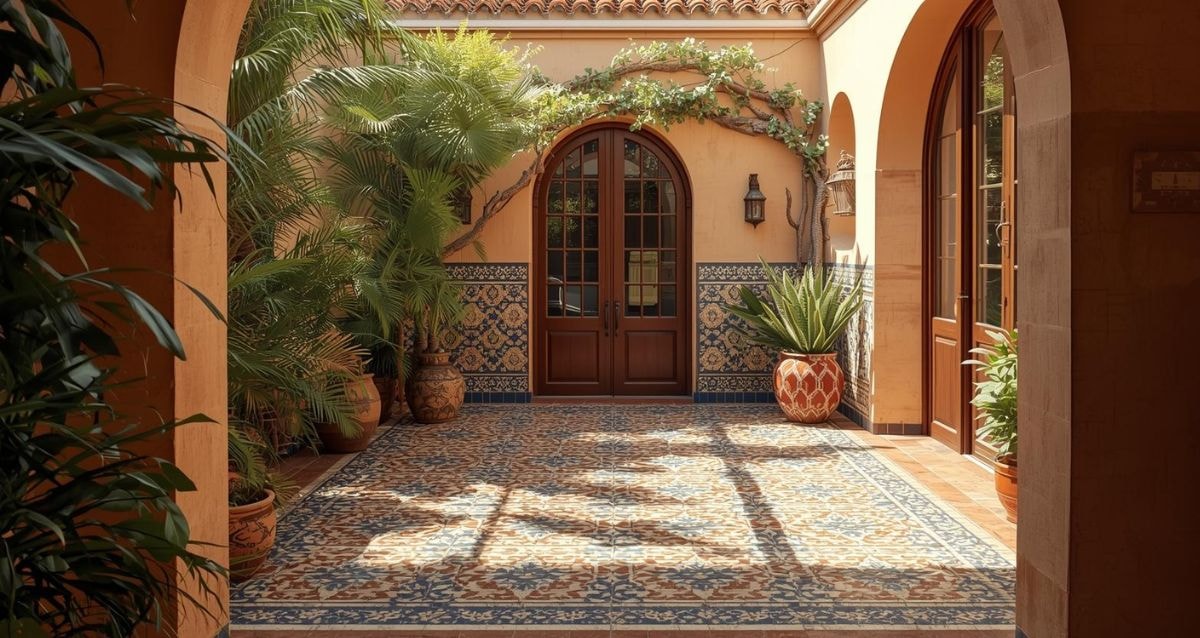
Thanks to modern manufacturing and advanced digital printing, porcelain tiles can now recreate encaustic designs with incredible detail and realism.
Often called porcelain encaustic tiles or encaustic look tile, these surfaces capture the beauty of traditional inlaid patterns while delivering the durability modern homeowners need.
Instead of clay molds and cement mixtures, porcelain tiles are:
- Manufactured from refined porcelain material
- Fired at extremely high temperatures
- Printed with detailed, layered patterns
- Finished with protective glazed or matte surfaces
The result is a tile that looks handcrafted but performs like modern porcelain.
Why Porcelain Encaustic Tiles Offer More Everyday Value
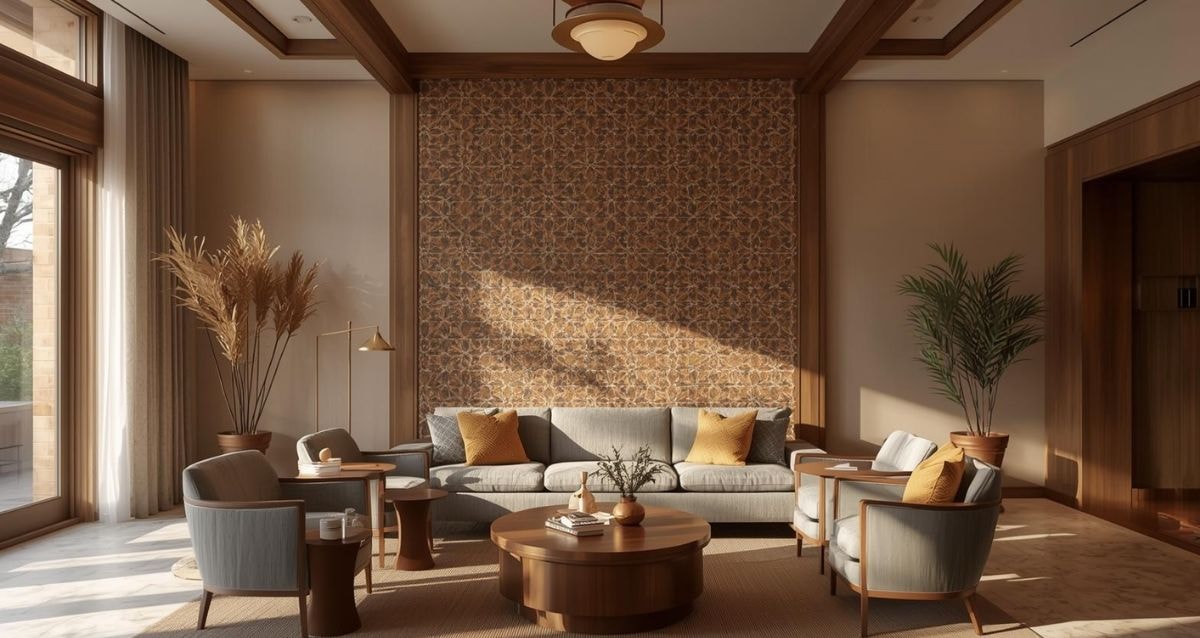
Let’s talk about what really matters once the design excitement fades and real life begins.
Homeowners want surfaces that look beautiful, stay beautiful, and don’t demand constant attention. That’s where porcelain encaustic tiles truly shine.
They deliver the charm of traditional encaustic design with the strength, ease, and performance modern living requires.
Built for Real Life Durability
Porcelain is one of the strongest and most reliable tile materials available today.
During manufacturing, porcelain is fired at extremely high temperatures, creating a dense, hard surface with very low moisture absorption.
This structure allows porcelain encaustic tiles to resist:
- Moisture and humidity
- Every day stains from food, drinks, and dirt
- Scratches from furniture and foot traffic
- Surface wear in busy spaces
- Heavy use in high-traffic areas
This means you can confidently use porcelain encaustic tiles in places where traditional encaustic tiles would struggle or wear down over time.
They perform beautifully in:
- Kitchens where spills are common
- Bathrooms and showers exposed to moisture
- Entryways that collect dust and dirt
- Living spaces with constant movement
- Outdoor patios facing weather and temperature changes
And best of all, they maintain their color, pattern, and surface quality year after year without fading or breaking down.
Low Maintenance That Fits Real Lifestyles
One of the biggest frustrations with traditional encaustic tiles is the ongoing maintenance.
Sealing, resealing, careful cleaning, and worrying about stains become part of daily life.
Porcelain encaustic tiles remove that stress completely as they do not require sealing, they do not absorb spills, and they do not stain easily.
Simple sweeping and occasional mopping is enough to keep the surface looking fresh and clean.
This makes porcelain ideal for busy households, families with kids, pet owners, and anyone who wants a beautiful design without constant upkeep.
It’s the tile you can actually enjoy living with.
Endless Design Possibilities Without the Limits of Handmade Tile
Traditional encaustic tile design is limited by the mold and color layering process.
While beautiful, it restricts pattern complexity, color variation, and consistency.
Porcelain tiles use advanced digital printing to recreate encaustic patterns with incredible precision and detail.
This opens the door to:
- Classic Victorian-inspired motifs
- Bold modern geometric designs
- Soft neutral palettes like beige, stone, and marble tones
- Rich blues, greens, browns, and vibrant multicolor combinations
- Concrete-look backgrounds with encaustic pattern overlays
- Marble and stone-inspired surfaces with vintage patterning
Designers and homeowners can now choose from a massive range of styles that suit everything from farmhouse to modern, minimalist to traditional.
It’s creative freedom without compromise.
Seamless Use Across Walls and Floors
One of porcelain’s greatest strengths is versatility.
Porcelain encaustic tiles are designed to perform on both vertical and horizontal surfaces, allowing you to create cohesive, flowing designs throughout your home.
They work beautifully for:
- Patterned statement floors
- Feature walls that add personality
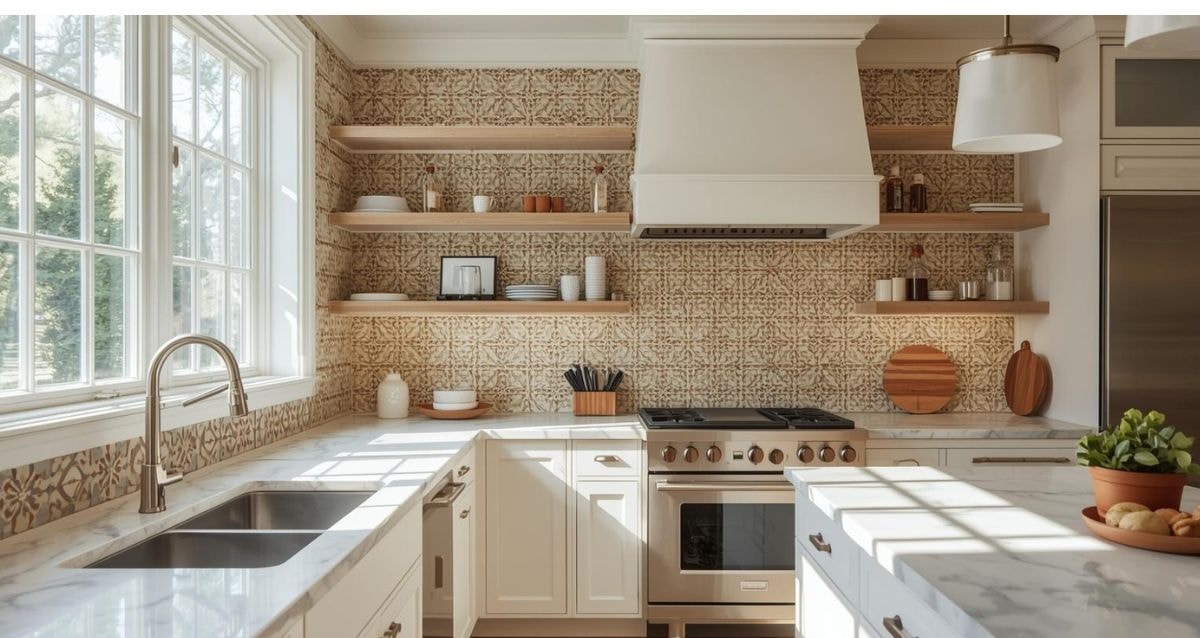
- Kitchen backsplashes that resist cooking mess
- Bathroom floors and shower walls
- Hallways and living spaces
- Outdoor patios and covered areas
This means you can carry a pattern from floor to wall or room to room without switching materials or worrying about moisture damage.
The result is a more intentional, designer-inspired space.
Where Porcelain Encaustic Tiles Truly Shine
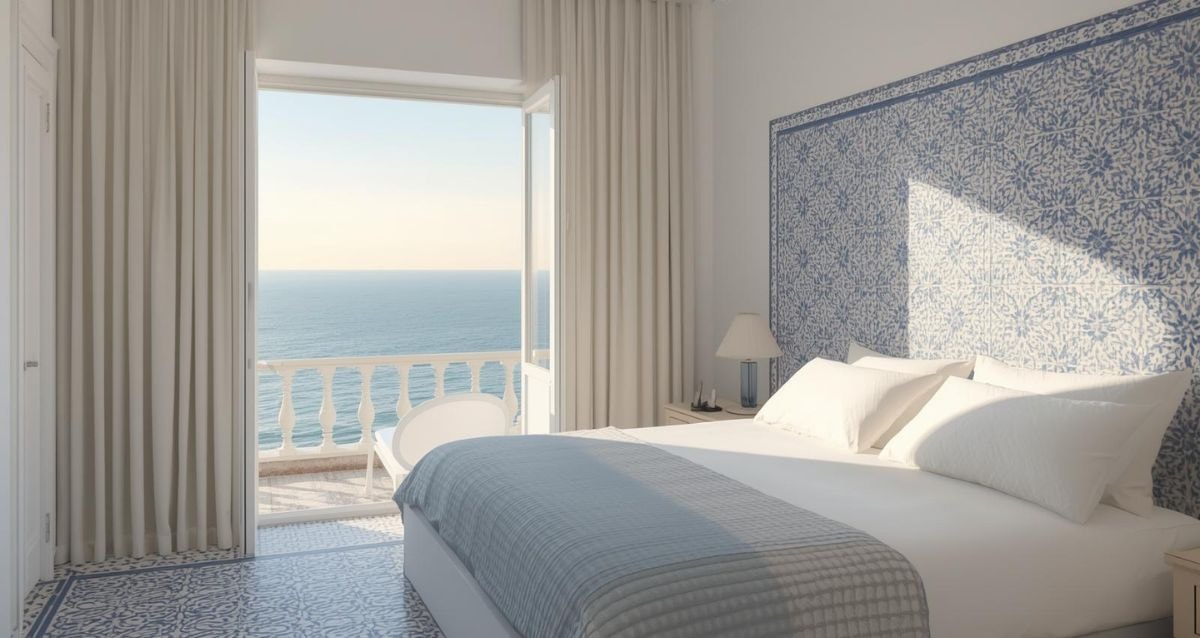
Porcelain encaustic tiles aren’t just beautiful, they’re incredibly versatile. Their durability, moisture resistance, and low maintenance make them ideal for many areas of the home where traditional encaustic tiles would struggle.
Kitchens
Porcelain encaustic tiles create stunning patterned floors and eye-catching kitchen backsplashes that instantly become the focal point of the space.
They stand up to spills, grease splashes, dropped food, and constant foot traffic without staining or surface damage.
Homeowners love that they get bold design with a surface that’s easy to clean and built to last.
Bathrooms
Bathrooms are one of the best places to use porcelain encaustic tiles.
Moisture is no longer a concern, even in showers and high-humidity spaces.
These tiles resist water absorption, mold, and everyday wear while adding beautiful pattern and personality to floors, walls, and feature areas.
It’s a perfect balance of style and performance.
Entryways
Your entryway sets the tone for your entire home, and porcelain encaustic tiles make an unforgettable first impression.
They handle dirt, dust, moisture from shoes, and heavy traffic with ease while keeping their color and pattern looking fresh.
It’s a practical choice that still feels bold and welcoming.
Living Spaces
In open-plan living areas, porcelain encaustic tiles bring warmth, texture, and visual interest without sacrificing durability.
They work beautifully as statement floors or design accents that define different zones in a space.
Homeowners get the charm of patterned tile with a surface tough enough for everyday life.
Outdoor Areas
Many porcelain encaustic tiles are designed for exterior use, making it easy to carry the same design style from inside your home to outdoor patios, walkways, and covered entertaining spaces.
They resist moisture, temperature changes, and wear, creating a seamless indoor-outdoor look that feels cohesive and stylish.
Summary
Encaustic tiles will always be loved for their bold patterns and timeless charm, but porcelain makes enjoying that look easier than ever. With porcelain encaustic tiles, you get all the beauty of traditional design without worrying about stains, moisture, or constant upkeep. From busy kitchens to spa-style bathrooms and even outdoor spaces, porcelain lets your home shine while keeping life simple. If you’re ready to confidently bring encaustic style to your space, Cavastone is here to help you find the perfect tile to make it happen.
Frequently Asked Questions About Encaustic Tiles
Where did the term “encaustic” originate?
The word encaustic comes from ancient techniques involving enamel work and heat, later used in medieval tiles during medieval times across public buildings and palaces. Many early designs were created using clay mixed with marble dust and formed by mould and dust-pressing methods.
How were traditional encaustic tiles made compared to modern porcelain tiles?
Traditional encaustic tiles were created by layering colored clay into a mould, then fired so the design remains part of the tile itself. Modern porcelain and ceramic tiles are manufactured with advanced printing that recreates these historic patterns with greater durability and easier maintenance.
Why were encaustic tiles popular in historic architecture?
Architects used encaustic tiles in public buildings across Europe, including famous projects in London, because the bold square patterns stayed beautiful even when heavily walked on. Their durability and artistic detail made them a favorite for churches, halls, and grand homes.
Can porcelain encaustic tiles be installed alongside materials like wood or marble?
Yes, porcelain encaustic tiles pair beautifully with wood finishes and marble surfaces, creating contrast and warmth in modern spaces. Designers often use them as statement floors or feature areas to add inspiration and personality to a project.
Do porcelain encaustic tiles still keep the original look of historic designs?
Absolutely, modern ceramic and porcelain encaustic tiles retain the same bold patterns, rich colors, and glossy or matte finishes as historic designs. At Cavastone, we help homeowners bring these classic looks into present-day homes with modern performance.