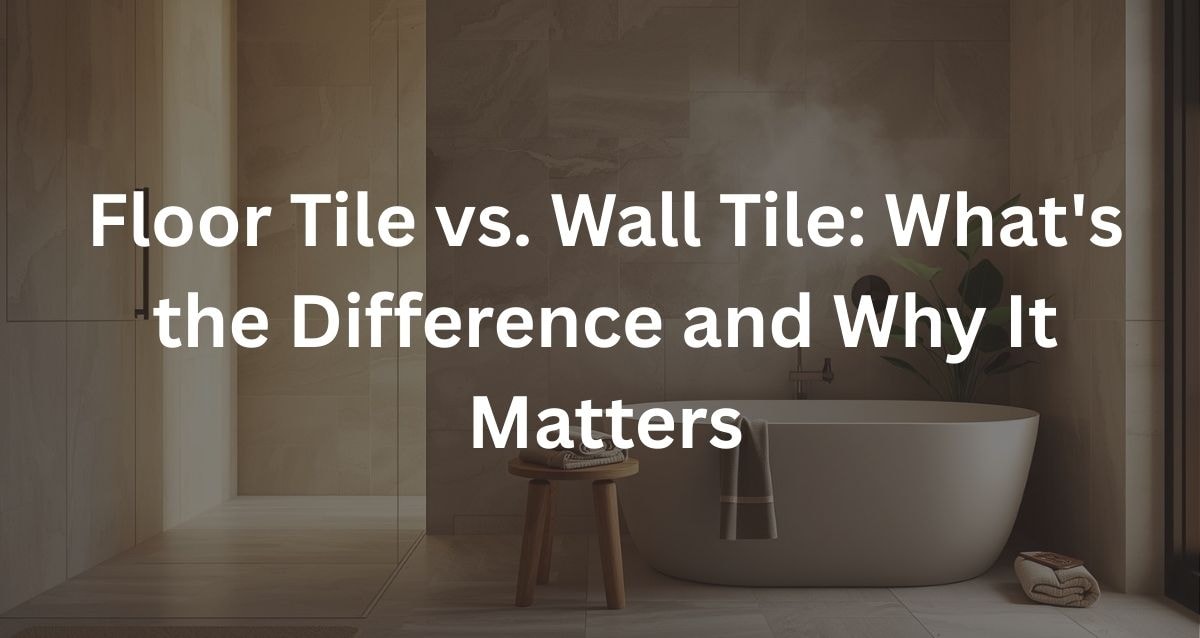
Choosing tile might seem simple until you’re standing in a showroom surrounded by hundreds of beautiful options, wondering, “Can this go on the floor… or the wall… or both?” The truth is, the difference between wall and floor tiles plays a key role in how your space looks, feels, and performs over time. At Cavastone, we help you make smart tile choices every day, and understanding floor tile vs wall tile is one of the most important design decisions you’ll make.
Let’s break it all down in a friendly, no-confusion way so you can create a dream space that looks stunning and lasts for years.
Key Takeaways
- Floor tiles are thicker and stronger, built to handle foot traffic, moisture, and daily wear
- Wall tiles are lighter and more decorative, perfect for backsplashes, accent walls, and vertical spaces.
- Floor tiles can usually go on walls, but wall tiles should not be used on floors.
- Slip resistance and durability ratings matter most when choosing tiles for wet or high-traffic areas.
- The right tile in the right place improves safety, performance, and long-term beauty in your home.
Floor Tile vs Wall Tile: The Main Differences That Really Matter
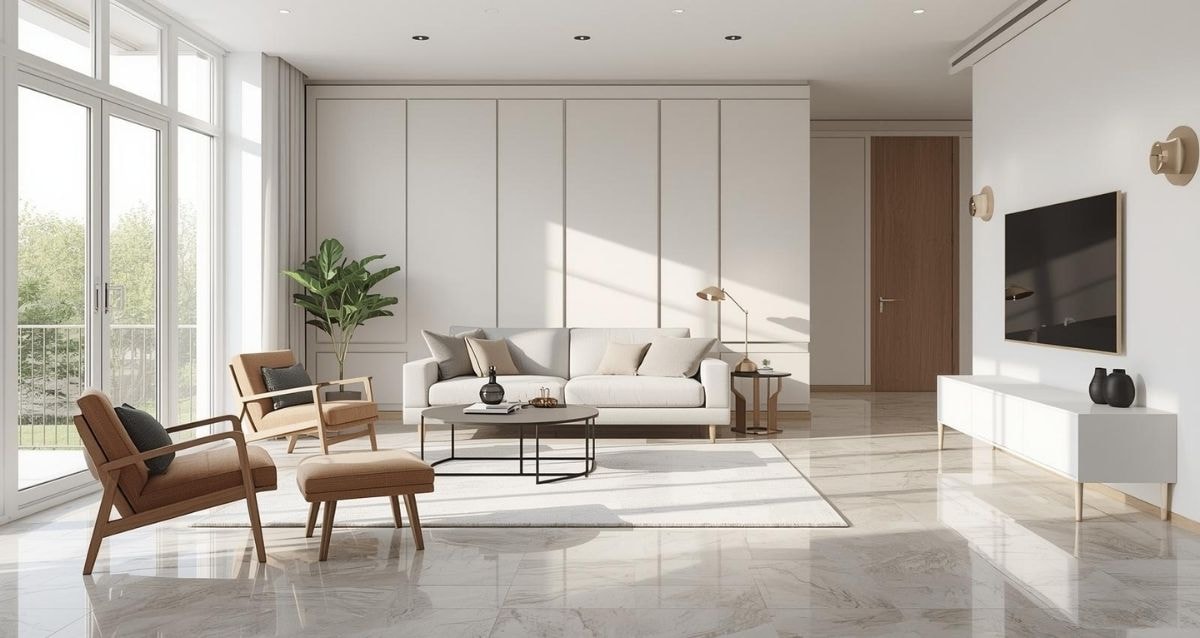
At first glance, wall tile and floor tile can look almost the same.
But once you understand how they’re built and where they’re meant to be used, the difference becomes clear.
Choosing the right one plays a key role in durability, safety, and long-term performance in your home.
Here’s a simple breakdown to help you decide with confidence.
Materials and Construction
- Both wall and floor tiles come in ceramic tiles, porcelain tiles, natural stone, glass tiles, and decorative finishes.
- The main difference is strength and density.
- Floor tile is manufactured to handle heavy foot traffic, furniture weight, moisture, and daily wear. It is thicker, denser, and built for durability.
- Wall tile is lighter and thinner, making it easier to install on vertical surfaces where pressure and friction are not concerns.
Durability and Performance
- Floor tile is designed to be tough. It resists stains, moisture, cracking, and constant walking in high-traffic areas like kitchens, bathrooms, and entryways.
- Wall tile focuses more on design and decorative appeal. While still moisture-resistant and durable for vertical use, it is not meant to support weight or repeated friction.
Size, Shape, and Design Options
- Wall tiles typically come in smaller sizes with a broader range of intricate designs, mosaics, and decorative patterns.
- This makes them perfect for accent walls, backsplashes, and creative bathroom designs.
- Floor tiles are often larger, including popular large-format floor tiles that reduce grout lines and create a clean, modern surface.
Texture and Safety
- Floor tiles often feature matte or textured surfaces for slip resistance, especially in wet zones like bathrooms, kitchens, and outdoor patios.
- Wall tiles are usually smooth, glossy, or polished for easy cleaning and a bright, reflective look that enhances light in a space.
Now that we know more about floor tile vs. wall tile, let’s take a look at some of the best tile material options for walls and floors.
Can Floor Tile Be Used on Walls? And Can Wall Tile Go on Floors?
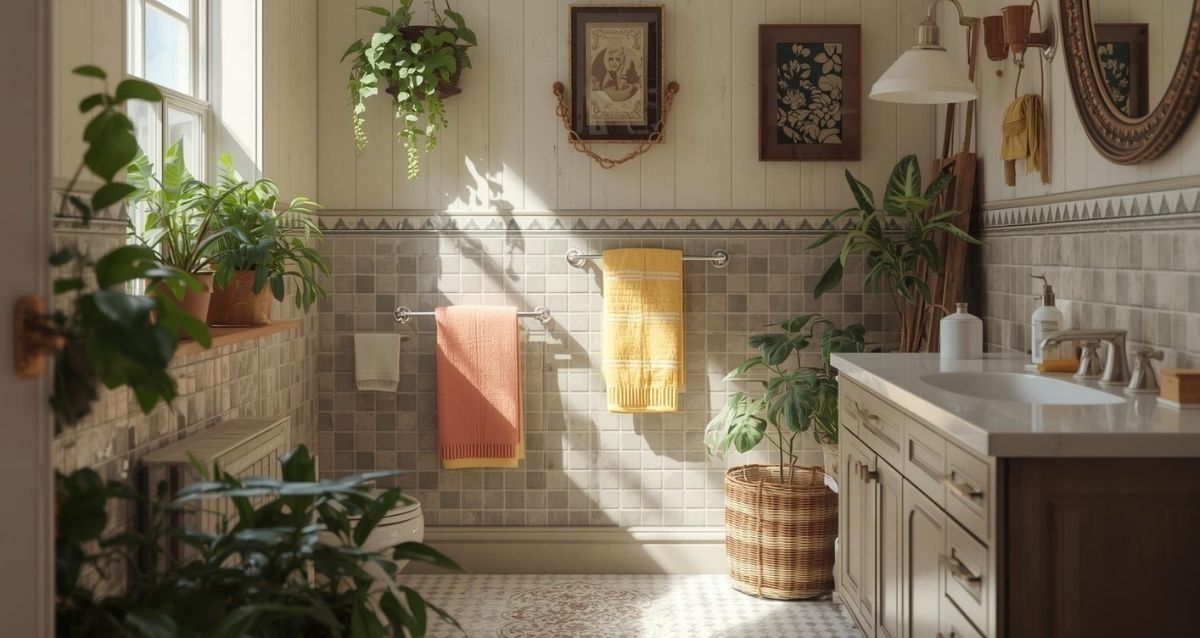
These are some of the most common questions we get on our showroom floor, so let’s answer them now.
So, can floor tile be used on walls? Yes. In most cases, floor tile can absolutely be installed on walls.
But can wall tile be used on floors? Usually no. Wall tiles are not designed to handle foot traffic, friction, or heavy loads. Using them on floors can lead to cracking, wear, and safety issues. [Source]
So the rule of thumb is that floor tiles can go on walls, but wall tiles should not go on floors.
Still not sure of which tile to choose for your wall or floor? Our team is here to help! Pop into our showroom or contact our team and let us guide you on how to choose the right tile for your design needs and style.
What to Look for When Choosing Wall and Floor Tiles
Now that you understand the real difference between wall tile and floor tile, the next step is knowing how to choose the right option for each space in your home. The goal isn’t just great design, it’s selecting tile that performs well in wet areas, handles foot traffic, and stays beautiful for years. Let’s take a look at how to choose the best tile for your wall or floor.
Match the Tile to the Surface
- Wall tiles are designed to be lighter, thinner, and more decorative.
- They’re perfect for bathroom walls, accent features, and kitchen backsplashes where beauty is the focus.
- Floor tiles are thicker, denser, and built for foot traffic, furniture weight, and everyday wear.
- Using the right tile in the right place prevents cracking, slipping, and early damage.
Consider Durability and Ratings
- For floors, always check durability levels like the PEI rating, which shows how much wear a tile can handle.
- Higher ratings work best for busy areas like kitchens, hallways, and bathroom floors.
- Walls don’t need the same strength so that you can focus more on design, finish, and texture.
Think About Slip Resistance
- In wet areas like bathrooms, laundry rooms, and entryways, slip-resistant tiles are essential.
- Matte or textured finishes offer better grip and safety, especially for families with kids or seniors.
- Glossy finishes are great for walls but usually not suited for floors.
Balance Style With Maintenance
- Glossy and glazed wall tiles are easy to clean and reflect light beautifully, making spaces feel brighter.
- Textured tiles add dimension and personality but may require a bit more cleaning.
- Large-format tiles reduce grout lines, which means less scrubbing and a cleaner overall look.
Choose Materials That Fit Your Lifestyle
- Porcelain and ceramic tiles are excellent all-around options for most residential spaces due to their durability, moisture resistance, and easy maintenance.
- Natural stone tiles like marble and granite offer stunning luxury but need sealing and regular care.
Don’t Forget Proper Installation
- Even the best tile won’t perform well without proper installation.
- Quality adhesives, sealed grout lines, and correct placement are key to preventing moisture issues and ensuring your tile lasts for years.
Summary
Understanding floor tile vs wall tile gives you the power to design smarter. When used correctly, each tile type enhances your home in its own way. At Cavastone, we’re passionate about helping homeowners choose tile that fits their lifestyle, space, and style. Whether you’re planning a bathroom refresh, a kitchen update, or a full-home renovation, the right tile makes all the difference.
Frequently Asked Questions About Floor Tile vs Wall Tile
What is the main difference between wall vs floor tile?
The main difference comes down to thickness, strength, and how each tile is made through the manufacturing process. Wall tiles are lighter and thinner, typically ranging from 6 mm to 10 mm, making them easier to cut and install on vertical surfaces like a bathroom wall or kitchen backsplashes. Floor tiles are thicker, usually between 8 mm and 12 mm, and built to handle foot traffic, wear, and tear while remaining slip-resistant in wet areas.
Can I use large-format tiles for both walls and floors?
Yes, large-format tiles are one of today’s biggest design trends for both wall and floor spaces. They create a seamless look with fewer grout lines, making rooms feel larger and easier to clean with a mild detergent. Many homeowners love using them in bathroom tiles and open residential spaces because they offer a modern appearance without compromising quality or durability.
What makes floor tiles safer for bathroom floors and wet areas?
Bathroom floor tiles are designed with higher slip resistance and texture to improve grip in wet areas. They usually have a higher PEI rating between 3 and 5, meaning they can handle medium to heavy foot traffic without damage. Floor tiles also feature matte or textured finishes and higher friction levels, making them better suited for bathroom floors where safety matters most.
Why are wall tiles more decorative than floor tiles?
Wall tiles typically offer a wider range of finishes, colors, and ornamental designs because they don’t need to withstand weight or heavy use. Many have uneven surfaces, glossy finishes, glazed coatings, or patterned designs that work beautifully for accent walls, bathroom wall features, and kitchen backsplashes. Glossy wall tiles also reflect light, helping smaller spaces feel brighter and more open.
Which tile materials work best for long-term quality and easy maintenance?
Porcelain and ceramic tiles are popular for both walls and floors because they resist moisture, clean easily, and hold up well in residential spaces. Natural stone tiles like marble and granite offer a high-end look but require sealing and extra care, especially in wet areas. No matter the material, proper installation with quality grout and sealing helps resist stains and ensures your tile lasts for years.