Decisions, decisions. If you’re in the market for tiles, chances are you’re doing some serious home renovation. Picking the right tile for the right room is a decision you’ll live with for the next 10 years (at least). You’ll see this tile every day for a decade or more… No pressure. You just have to pick the right one.
Not all tiles are created equal, and neither are the rooms in your home. From steamy showers to sunlit patios, each space has its own personality and purpose. Selecting tiles isn’t just about picking a color; it’s about choosing the right match of form, function, and style.
Ultimately, you’ve got to like looking at it, cleaning it, and feeling it under your feet. There are a lot of things to consider when selecting the right tile. But hey, not to worry, that’s why we’ve put together this room-by-room guide to help you make confident tile choices.
Key Takeaways
- Bathrooms need moisture-resistant porcelain or glazed tiles for longevity and durability.
- Kitchens call for porcelain or ceramic tiles that can handle spills, heat, and foot traffic with ease.
- Living rooms look great with large-format stone or wood-look tiles, which add warmth and make the space feel bigger.
- Outdoor areas need tough, slip-resistant options like cement or textured porcelain tiles.
- Entryways and hallways work best with strong, easy-to-clean tiles built for heavy foot traffic.
Before You Begin: Consider the Function, Size, and Aesthetic

Before diving into specifics, let’s jump into a few key considerations that apply across your home:
- Function: Is the room exposed to moisture, like a bathroom or kitchen? Does it face heavy foot traffic, like an entryway or living room? Tiles in high-traffic areas need to be extremely durable and often stain-resistant.
- Size: The room size affects how tile shapes and sizes appear. Large tiles can make small rooms feel bigger, while small tiles are great for intricate areas or for achieving more detailed patterns. [Source]
- Aesthetic: From natural wood finishes to glazed tiles with a mirror-like shine, the look of your tile defines your interior design style. Do you want a rustic look, a modern gloss, or something classic like marble or travertine?
As interior designer Mark Hampton once said, “Real comfort, visual and physical, is vital to every room.” And that starts with choosing the right tile.
Let’s break it down room by room so you can confidently find the perfect fit for every space within your four walls.
Selecting Tile for Bathrooms
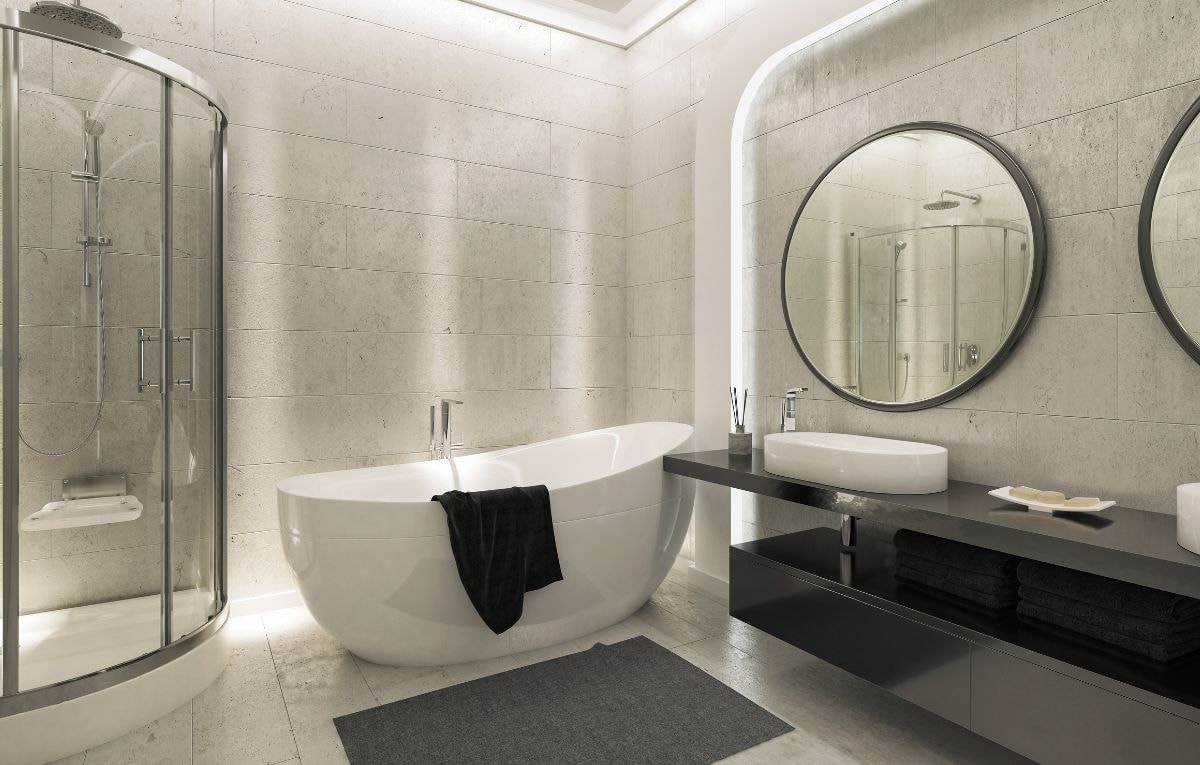
Bathrooms are often compact, damp, and demand a high level of practicality, without skimping on style.
Water resistance is non-negotiable in these wet areas, so porcelain tiles and glazed tiles take the lead. They’re moisture-resistant, stain-resistant, and extremely durable.
Looking for something spa-like? Natural stone, such as limestone or marble, adds timeless luxury.
Want something low-maintenance and budget-friendly? Ceramic tiles offer a wide range of patterns and finishes, ranging from matte to high-gloss.
Tile Tips for Bathrooms:
- Wall tiles can run from floor to ceiling in the shower, creating a clean, seamless effect.
- Small tiles or mosaics are great for shower floors due to their grip and shape versatility.
- Choose grout lines in darker shades to prevent staining and keep maintenance easy.
💡Cavastone Tip: When selecting tile for bathroom spaces, always ask about slip ratings and waterproofing. We help you pair beauty with safety.
Selecting Tiles for Kitchens
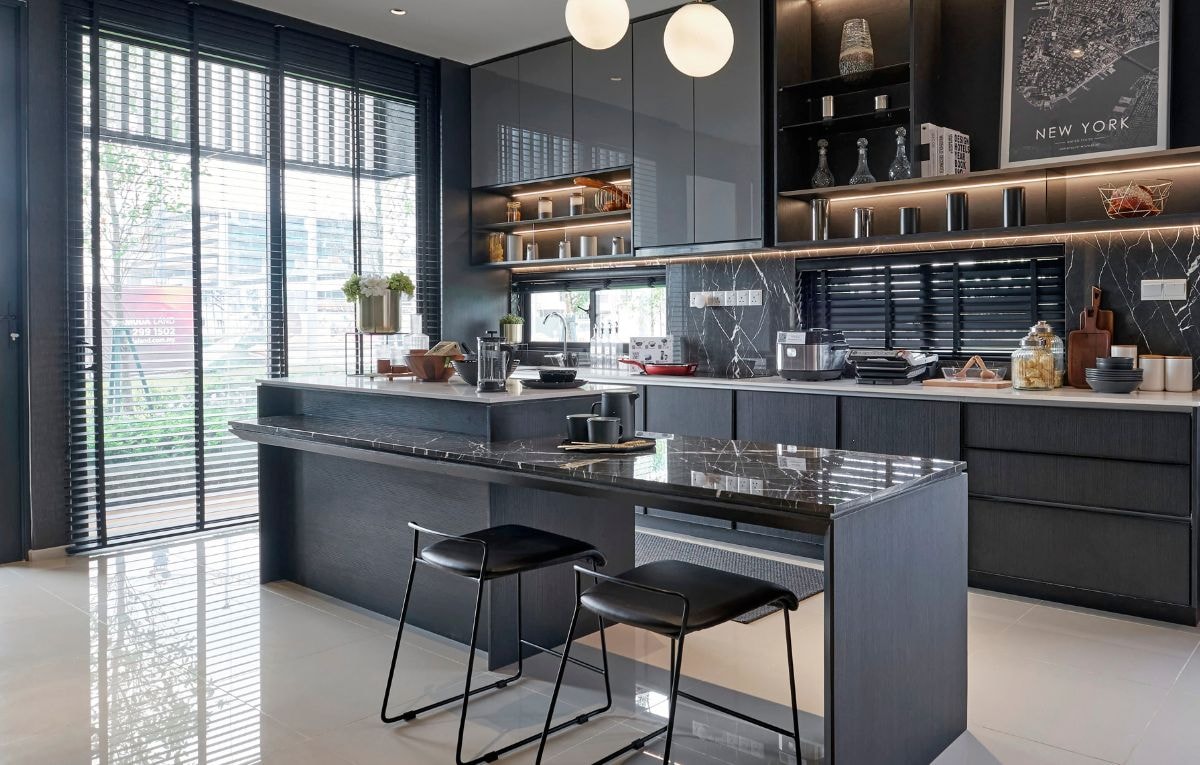
Kitchens are hardworking, stylish, and often the heart of the home. That means your tile choices should be both beautiful and extremely durable.
For kitchen floors, porcelain and vitrified tiles are great picks. They’re stain-resistant, water-resistant, and can handle everything from rolling chairs to rogue spaghetti sauce.
Backsplashes offer room to play, think patterned tiles, cement tiles, or bold glazed tiles for a dash of personality. [Source]
Tile Tips for Kitchens:
- Go with floor tiles that can handle heavy foot traffic and resist spills.
- On the countertops, granite or ceramic can work well for prep spaces that see a lot of action.
- Opt for a tile size that doesn’t overwhelm the room, medium to large tiles work best for open kitchen floors.
💡Cavastone Tip: Always seal natural materials like travertine, limestone, or marble used in kitchens to extend their longer life and prevent staining.
How to Select Tiles for Living Room Spaces

Your living room is where life happens, movie nights, celebrations, and quiet Sunday mornings. It deserves tiles that balance comfort and sophistication.
In this room, style often drives the decision more than function. That’s why we love natural stone tiles like granite, travertine, or even tiles that mimic natural wood textures.
Large format tiles create a sleek, modern feel and reduce grout lines, making cleaning a breeze and giving the illusion of a more expansive space.
Tile Tips for Living Rooms:
- Use patterned tiles to define zones, like around a fireplace or reading nook.
- Choose a tile color that reflects natural light, lighter shades can brighten a room, while darker ones add drama.
- Textured floor tiles offer grip and warmth underfoot without sacrificing style.
💡Cavastone Tip: Not sure how to select tiles for living room floors? Bring us your room size, lighting conditions, and favorite color palette, we’ll help you find the perfect tile match.
Tiles for Outdoor Areas
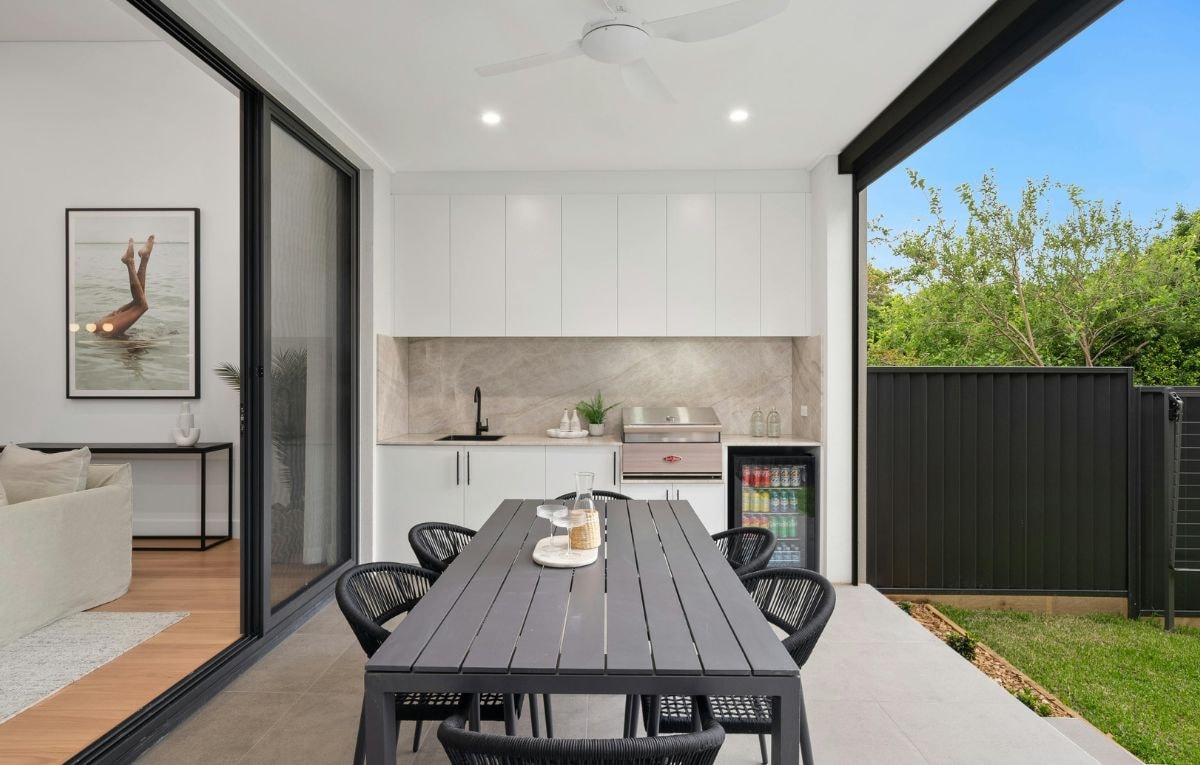
Your outdoor areas need to battle the elements without cracking under pressure, literally. Rain, sun, mud, and sometimes even snow, all impact your tile selection.
Here, porcelain tiles, cement tiles, and natural stone are popular for being extremely durable, slip-resistant, and resistant to fading.
Tile Tips for Outdoors:
- Choose tiles with air holes or texture to prevent slipping when wet.
- Earthy tones or rustic look finishes blend beautifully with landscaping.
- Larger tiles can make patios feel like extensions of your indoor space.
💡Cavastone Tip: Be honest about how much maintenance you’re willing to do. We’ll guide you to tile choices that age beautifully with your lifestyle, not against it.
Selecting Tiles for Entryways and Hallways
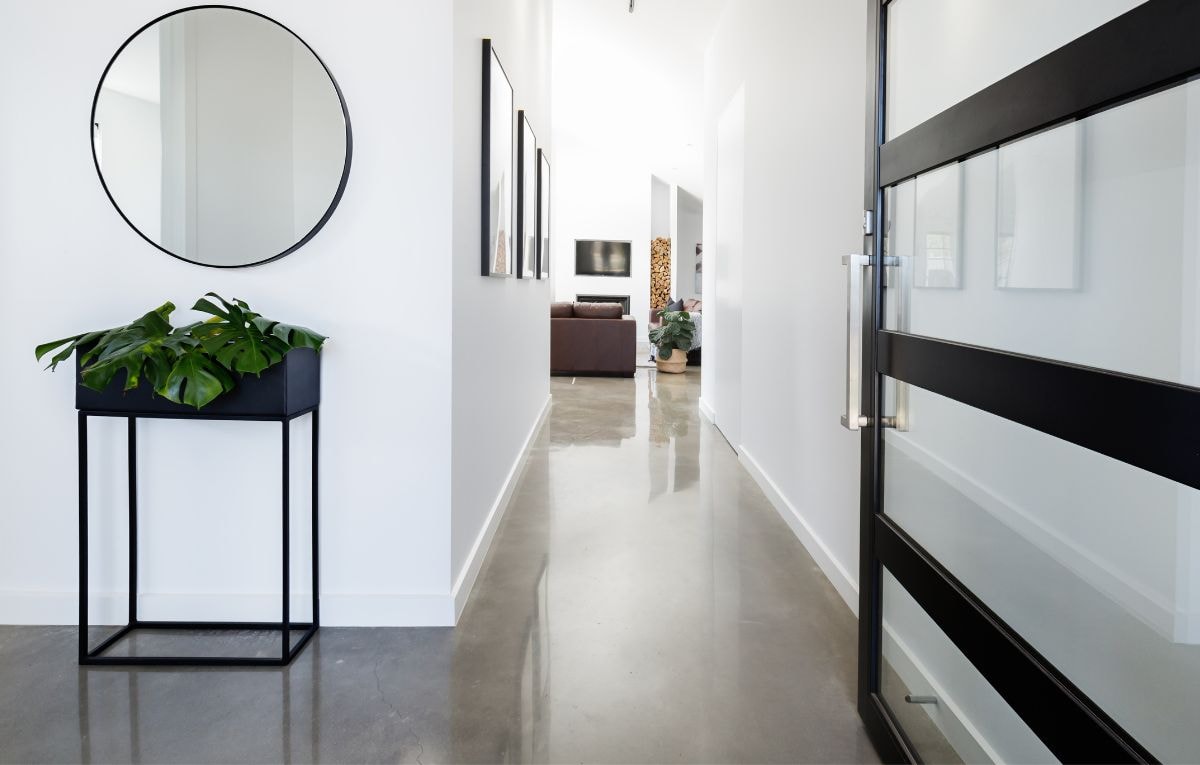
These areas take a beating. From muddy boots to kids sprinting inside, your entryway and hallways need to be tiled with toughness in mind.
This is where vitrified tiles or porcelain tiles shine, they can endure heavy foot traffic and are stain resistant, too.
Tile Tips for High Traffic Areas:
- Look for glazed tiles that don’t sacrifice strength for shine.
- Use patterns or color blocks to add flair without sacrificing function.
- Avoid slippery finishes here, texture matters.
💡Cavastone Tip: Consider using a tile pattern like a herringbone or brick lay to give narrow hallways movement and charm.
Tiles in the Bedroom? Yes, Please
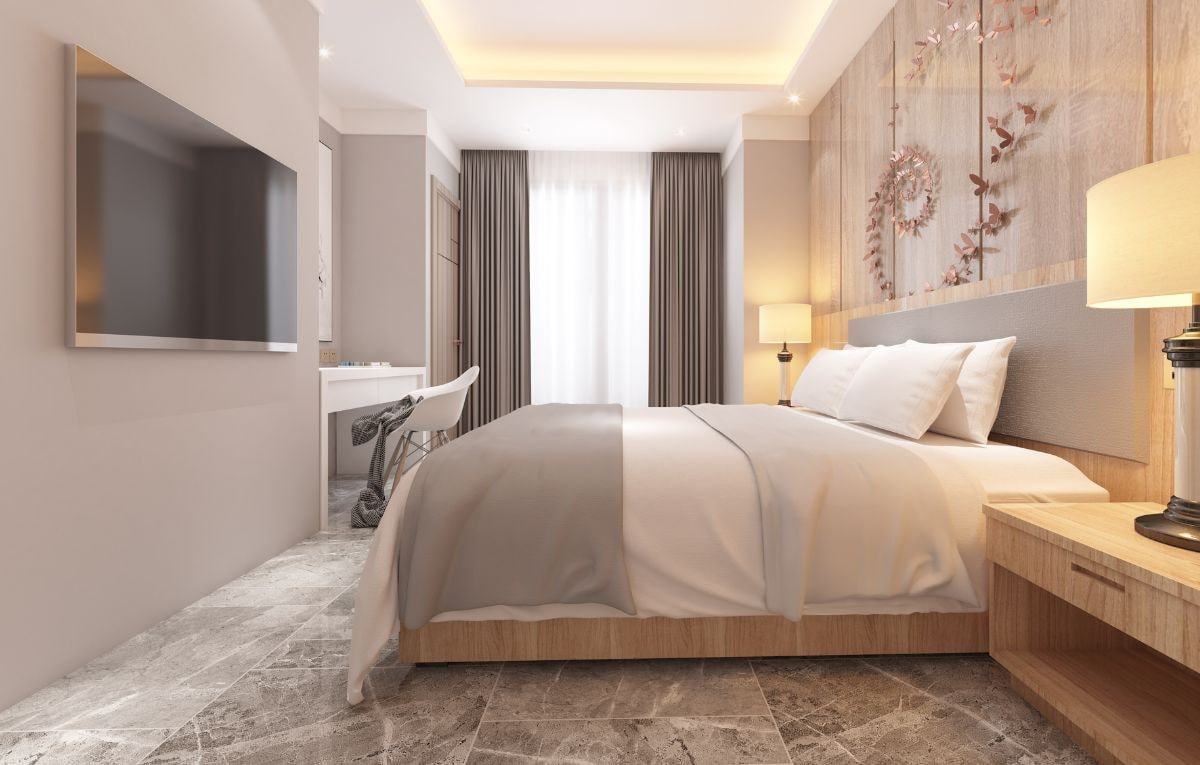
While not as common as carpet or hardwood, floor tiles in the bedroom can be a smart, stylish choice, especially in warmer climates or modern design homes.
Opt for natural wood-look tiles in ceramic or porcelain for that cozy feel without the upkeep. Large tiles with minimal grout lines give a clean, luxurious look.
Tile Tips for Bedrooms:
- Choose tiles with warmth, like natural stone or wood-inspired ceramic tiles.
- Layer with area rugs to keep it soft underfoot.
- Use wall tiles behind the bed as a custom headboard or feature wall.
💡Cavastone Tip: Want your bedroom to feel like a boutique hotel? Come see our collection of beautiful tiles that add elegance without sacrificing comfort.
Tile Size, Color, and Pattern: The Magic Trio
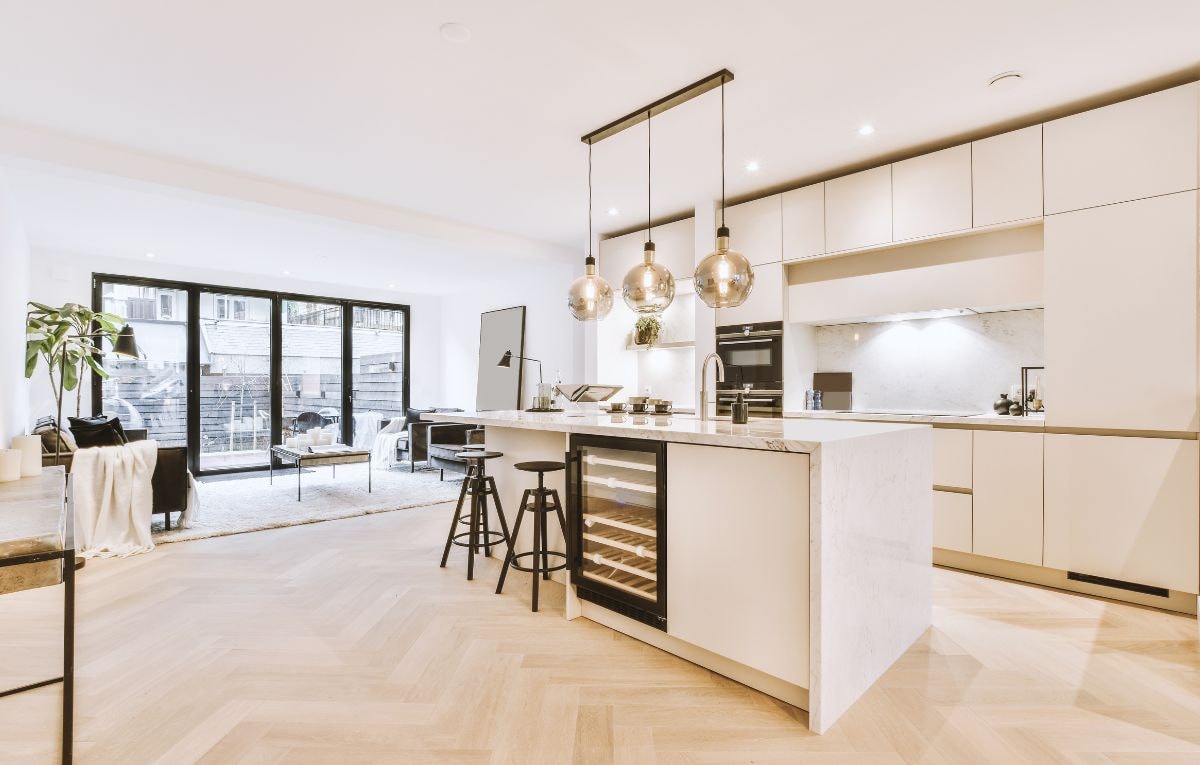
We can’t wrap this up without talking about three of the most impactful design elements when selecting tiles:
1. Tile Size
- Small tiles are great for intricate patterns and wet areas.
- Large tiles minimize grout lines and can make rooms feel bigger.
- The right size balances the room size and visual impact.
2. Tile Color
- Light tiles reflect natural light and make small rooms feel bigger.
- Darker tiles add mood and elegance but may show dust more.
- Choose tones that align with your interior design and lighting.
3. Tile Pattern and Texture
- Go bold with patterned tiles for accent walls or entryways.
- Use subtle texture to add warmth to minimalist spaces.
- Mix finishes, matte, glaze, and even brick textures, for depth.
💡Cavastone Tip: Our experts can walk you through previews and real-life mock-ups to make sure your tile vision works, before you commit.
Cavastone’s Pro Advice: Don’t Go It Alone

Choosing the first tile can feel exciting. But by the fifth showroom visit, things start to blur. That’s where we come in.
At Cavastone, we’re not just about selling tiles. We’re about helping you select tiles that make your house feel like home.
Here’s how we do it:
- We listen to your needs, your taste, and your budget.
- We advise on durability, maintenance, and style.
- We support you through the tile selection process.
And we never forget, tiles work best when they fit your life, not just your layout.
Let Each Room Tell Its Story
The right tile doesn’t just sit under your feet or climb your walls, it tells a story. About who you are, how you live, and what makes your house a home.
By thinking carefully about each room’s function, the amount of foot traffic, the space available, and your personal style, you can turn your home into a beautifully tiled masterpiece. Whether you’re creating a spa-like retreat in the bathroom, a chef-worthy kitchen, or a sun-drenched patio, Cavastone has the expertise and selection to help you get it just right.
Come visit us. Let’s find your perfect tile, together.
Frequently Asked Questions
What’s the best type of floor tiles for high-traffic areas in the house?
For spaces like entryways, kitchens, and hallways, porcelain tiles are an excellent choice. They’re extremely durable, stain-resistant, and perfect for handling heavy foot traffic across your house.
Should I use porcelain or ceramic tiles in the living room?
Both can work well, but porcelain tiles are denser and more durable, making them ideal if you want low-maintenance flooring that still looks elegant. Ceramic tiles are slightly more affordable and come in a wider variety of colors and shapes for a custom design feel in your living room.
Can I use the same tile for both floor and wall surfaces?
Yes, but with caution. Some floor tiles can be used on walls if they aren’t too heavy, but not all wall tiles are strong enough for flooring. Always check with a tile expert before installing a floor wall combo.
What’s the difference between porcelain and ceramic tiles?
Porcelain is a subtype of ceramic, but it’s fired at a higher temperature, making it denser, more water-resistant, and better for floor tiles in moisture-prone areas like bathrooms and kitchens. Regular ceramic tiles are easier to cut and install and offer more decorative options.
Can I use stone tiles in outdoor areas?
Absolutely. Stone tiles like slate or granite are perfect for outdoor patios or walkways because they’re naturally slip-resistant and tough enough to handle the elements. Just make sure they’re sealed properly to prevent water damage.
What tile shapes are trending right now?
While squares and rectangles remain classics, hexagons, chevrons, and subway-style shapes are gaining popularity. In larger rooms like the living room, using unique tile shapes can help define zones or add texture.
What’s an example of a good tile combination for open-plan homes?
In open-plan homes, combining ceramic tiles on walls with porcelain tiles on the floor helps distinguish different areas while keeping the design cohesive. For example, you might use marble-look porcelain in the kitchen and textured ceramic on the backsplash.

Owner, Cavastone Group
With years of perseverance and pride in what we do we have become a very well known and positioned company in the Architectural and Design industry. The same perseverance, pride and attention to detail that made us become who we are, are the same qualities we strive to provide to all our customers.