Quick Answer: What Actually Makes a Small Bathroom Feel Bigger
The most effective small bathroom tile patterns create visual continuity without overwhelming the room. Pale, glossy surfaces bounce natural light and make a tight bathroom read far larger than its square footage.
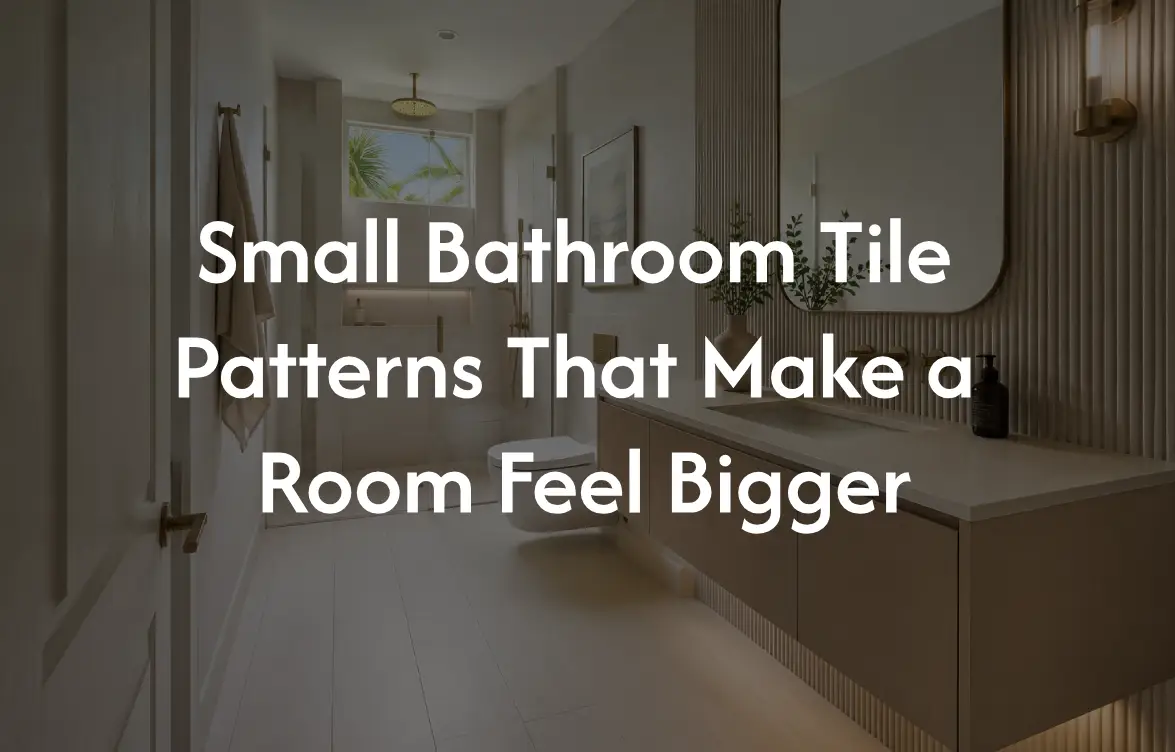
Choosing small bathroom tile patterns comes down to one goal: making a tight room feel open, bright, and intentional, and the right porcelain tile collection does most of that work for you. A compact bathroom punishes the wrong layout fast, so pattern, tile size, and grout color matter more here than in any other room. At Cavastone we have helped clients source luxury materials for South Florida bathrooms for nearly 20 years, and the same handful of moves keep delivering that bigger, calmer result.
What You Should Know Before You Start
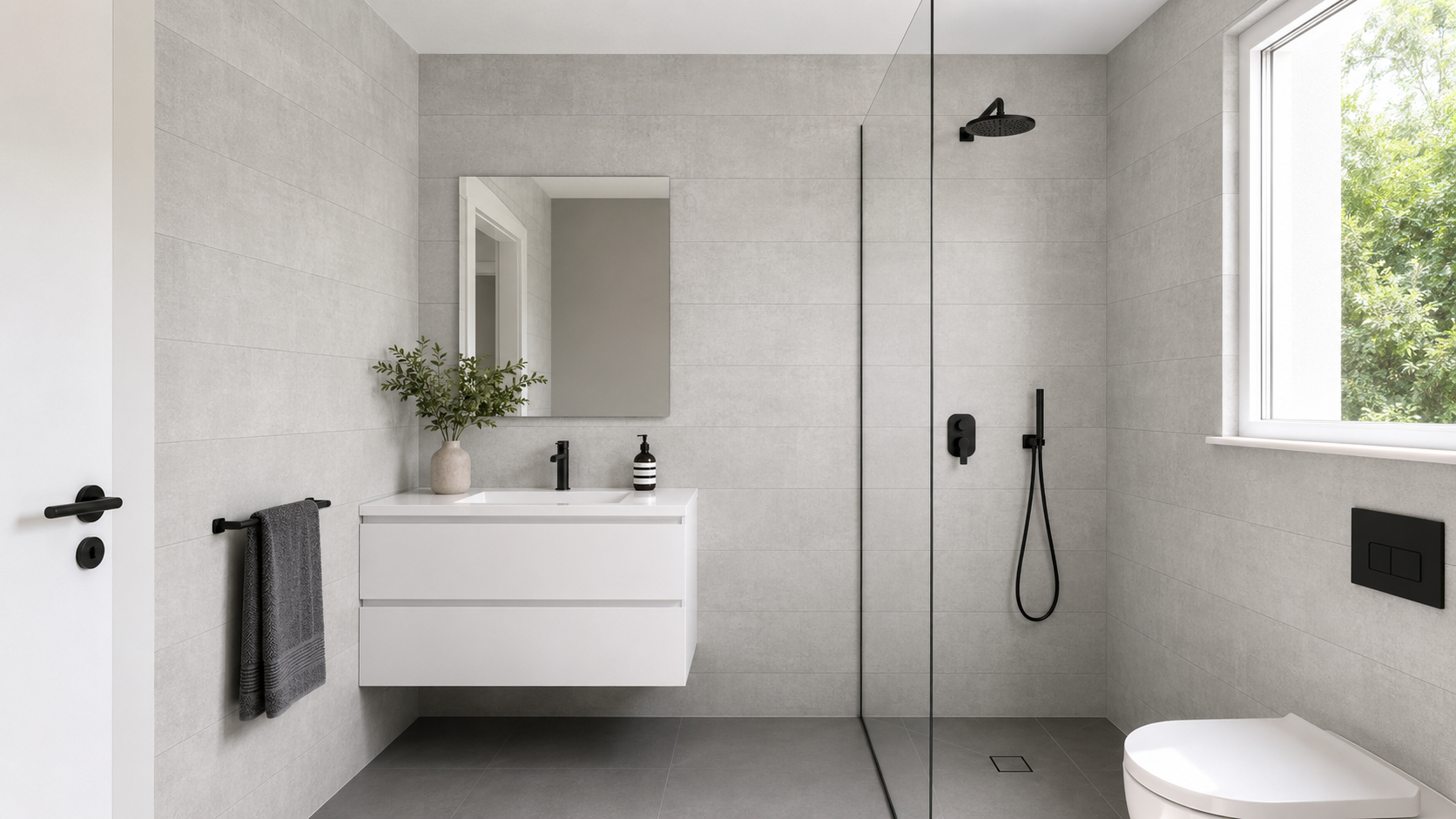 A few decisions shape everything else. Settle these before you choose tiles.
How Big Should the Tiles Be in a Small Bathroom?
- Larger tiles reduce visible joints, so the floor and walls read as one continuous surface.
- Large-format tiles minimize grout lines for a clean, open look that fools the eye into seeing more room.
- Save small tiles for the shower floor, where a 2-inch mosaic earns its keep with grip and drainage.
Do Light or Dark Tiles Work Better?
- Pale colors like beige and gray enhance the sense of space and keep a small room from closing in.
- Glossy tiles reflect light, so a compact bathroom feels brighter and larger through the day.
- An all-white scheme creates a light, bright, airy feel that suits homes chasing natural light.
Which Direction Should the Pattern Run?
- Vertical tile layouts elongate walls and lift perceived height, a gift in rooms with low ceilings.
- Horizontal tiles make a room appear wider, which helps a narrow, tight bathroom.
- Diagonal and herringbone layouts trick the viewer into seeing more floor space than exists.
How Much Does Grout Color Matter?
- Matching grout to the tile hides the grid and creates a continuous, expansive look.
- Contrasting grout turns the same tile into a graphic feature, useful on a single accent wall.
- For help here, see our guide to choosing the best grout color for your tile.
Key Points on This Page
- Large Tiles and Fewer Grout Lines for an Open, Continuous Look
- Vertical vs. Horizontal Tile in a Tight Bathroom
- Tile Patterns That Add Depth Without Clutter
- Where Small Tiles Still Win: Shower Floor and Accents
- Color, Finish, and Natural Light
- Grout Color and Matching for a Continuous Finish
- Choosing Materials for a Small Bathroom
- Why Work With Cavastone
Large Tiles and Fewer Grout Lines: A Designer’s Favorite for Small Bathroom Tile Patterns
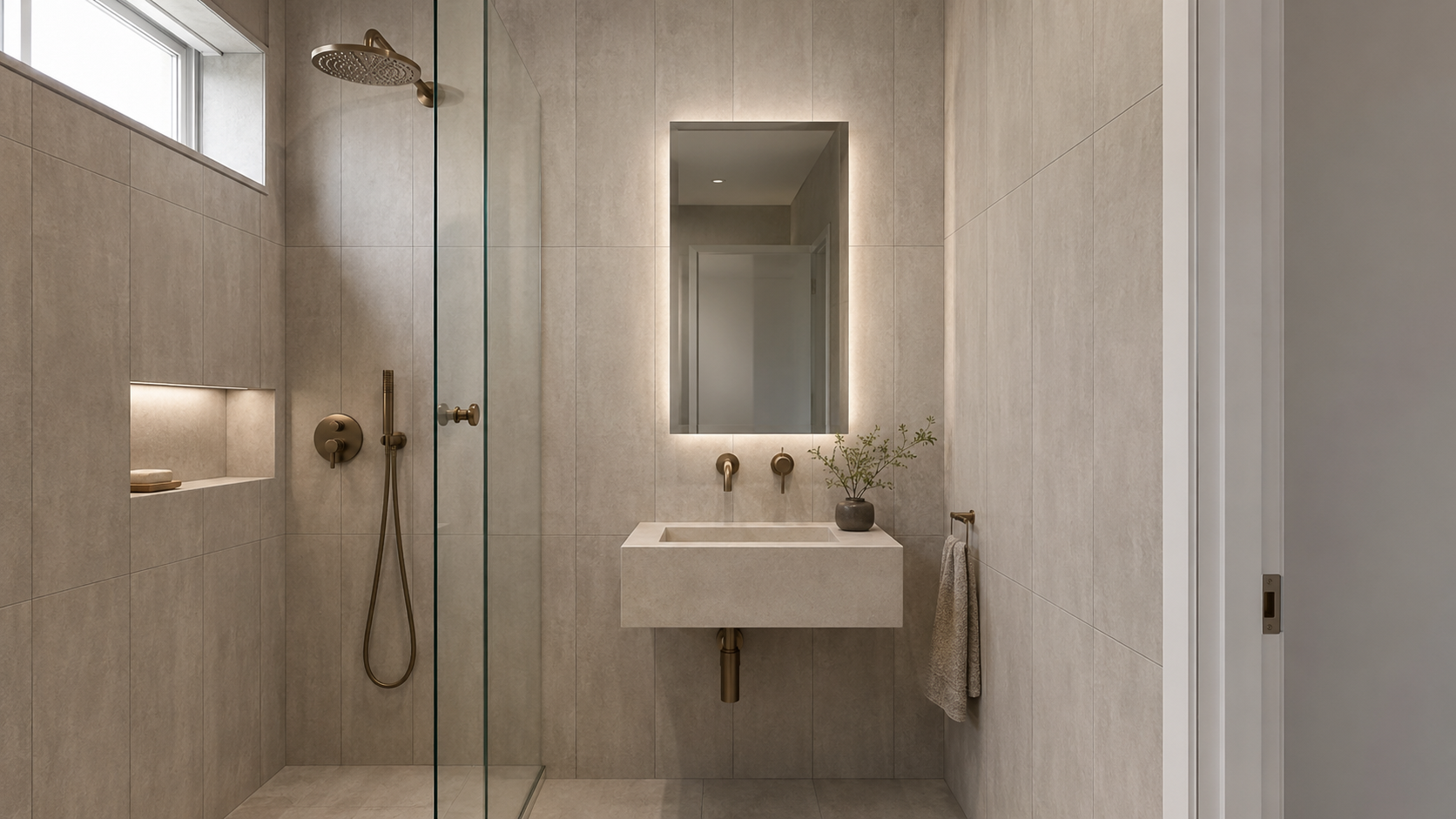 The fastest way to open a small bathroom: go big on the tile. Large tiles reduce visible joints, so the surface reads as one calm plane instead of a busy grid.
Using large-format tiles minimizes grout lines for an unbroken look that pulls the eye across the room rather than chopping it into squares.
- Fewer grout lines mean less visual noise and an easier surface to keep clean.
- A 24-by-24 floor tile run wall to wall makes a small floor feel like more floor space.
- Carry the same large tile up the shower walls to stretch the room vertically and horizontally.
Vertical vs. Horizontal Tile in a Tight Bathroom
Direction changes how a room feels. The same tile reads taller or wider depending on which way you turn it.
Vertical tile layouts elongate walls and create the illusion of height, which rescues a compact bathroom with low ceilings. Floor-to-ceiling vertical stacking draws the eye upward and makes the whole space feel taller.
- Run white subway tiles in a vertical stack to lift a short wall and add quiet, modern order.
- Use horizontal stripes or a wide band to make a narrow room feel wider and more expansive.
- Mix both with intent: vertical on the shower wall, horizontal behind the sink, for subtle movement.
Pro Tip: Stacked vertical subway tile with matching grout gives you the clean, tall look without the busy feel of a traditional offset brick layout.
Tile Patterns That Add Depth Without Clutter
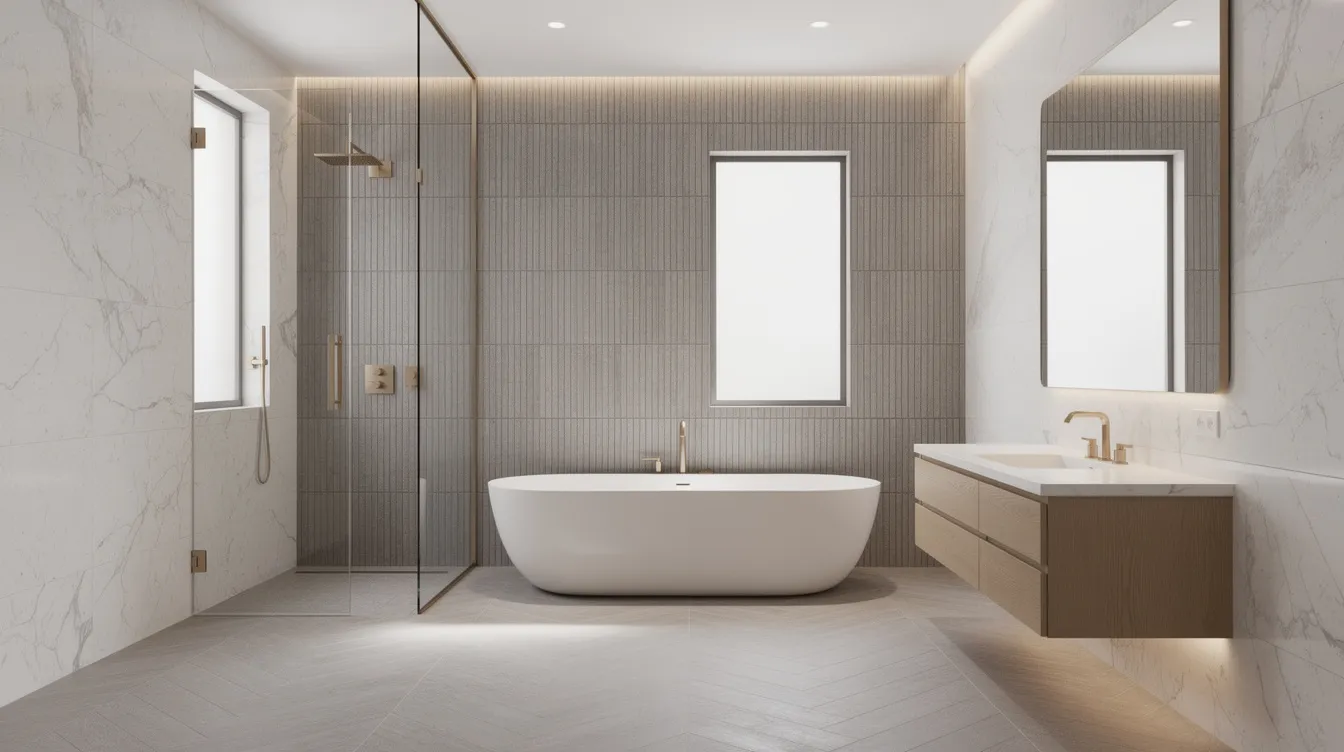 Pattern is where a small bathroom earns character. The trick: choose layouts that suggest more room rather than fill it.
Herringbone patterns create optical depth and width, so a modest floor feels larger and more open. Diagonal tile layouts visually widen a narrow space and pull the eye toward the corners, away from the tight center.
- Herringbone in a marble-look porcelain adds timeless elegance and movement to a small floor.
- A diagonal field layout stretches a narrow room from door to far wall.
- Keep bold patterns to one plane, like the shower area, so the room never feels cluttered.
Want more layout ideas worth stealing? Our piece on tile layout patterns that bring spaces to life goes deeper into each style.
Where Small Tiles Work Best in a Compact Bathroom
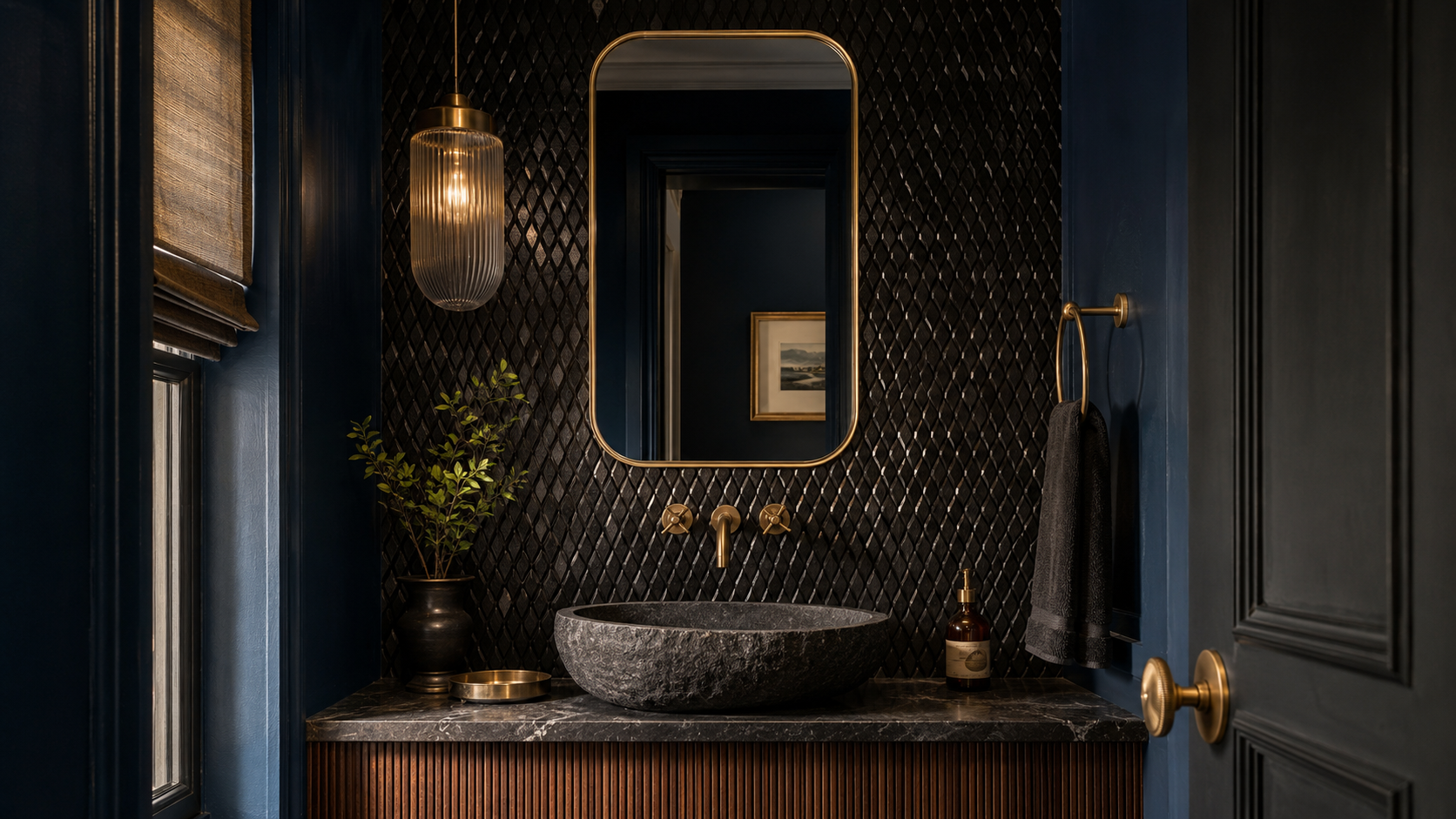 In this context, small tiles refer to individual pieces that typically measure around 2 inches or less. This includes penny rounds, mini hexagons, small squares, rhombus tiles, and other mosaic shapes commonly supplied on mesh-backed sheets.
Although using small tiles across every wall can introduce more grout lines and make a compact bathroom feel busier, they work beautifully when applied with intention. A mosaic feature wall, shower niche, or vanity backsplash can introduce color, texture, and pattern without overwhelming the room.
Small mosaics also serve a practical purpose on shower floors and shower pans. Their compact size allows them to follow the slope toward the drain more easily, while the additional grout joints can provide better traction underfoot. Penny rounds and mini hexagons are particularly well suited to these wet areas.
For a cohesive finish, repeat one color from the mosaic through the vanity, main tile, or bathroom accessories. Pairing a detailed accent with larger, quieter tiles across the remaining surfaces keeps the bathroom feeling spacious while allowing the mosaic to become a deliberate luxury feature.
For more shapes and pairings, see our guide to tile shapes, sizes, and creative combinations or browse our mosaic formats.
Color, Finish, and Natural Light
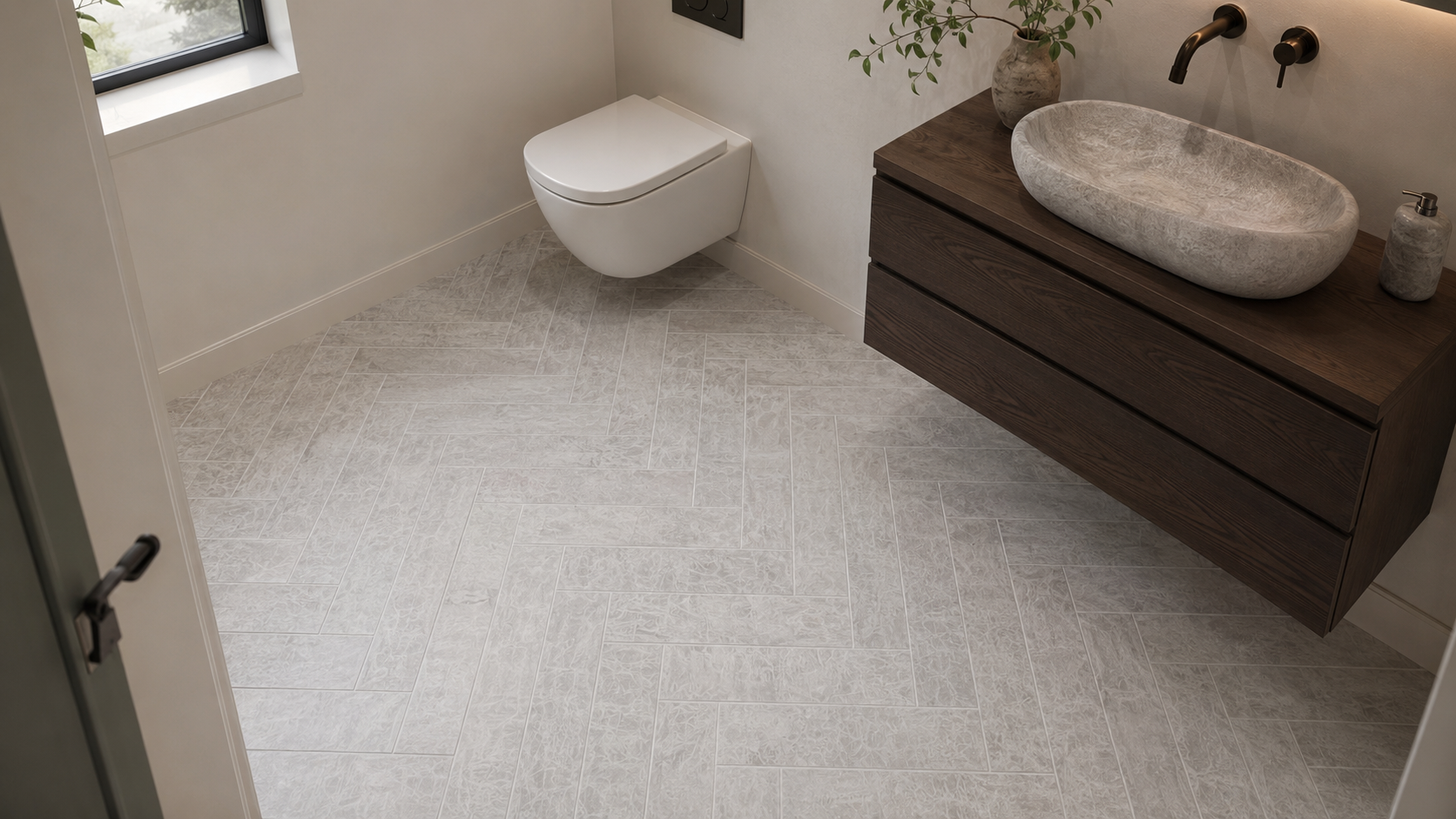 Color does the heavy lifting in a small bathroom. With Cavastone’s expert guidance, your room could feel spacious before you place a single fixture.
Using light colors and glossy finishes maximizes openness, because pale tiles reflect light and push the walls outward. The Tile Council of North America\u2019s DCOF guidance explains how testing and product-use classifications support flooring decisions.
Cohesive tile colors on walls and floors create a continuous appearance that erases the hard line where one surface stops and the next begins.
- Soft white, warm beige, or pale gray keeps the room bright and calm in South Florida light.
- A glossy or polished face bounces natural light from a window or mirror around the space.
- Match the wall and floor tones for that continuous, more-space effect.
Pro Tip: Placing a mirror opposite a window expands the daylight and the perceived width of the room.
Grout Color and Matching for a Continuous Finish
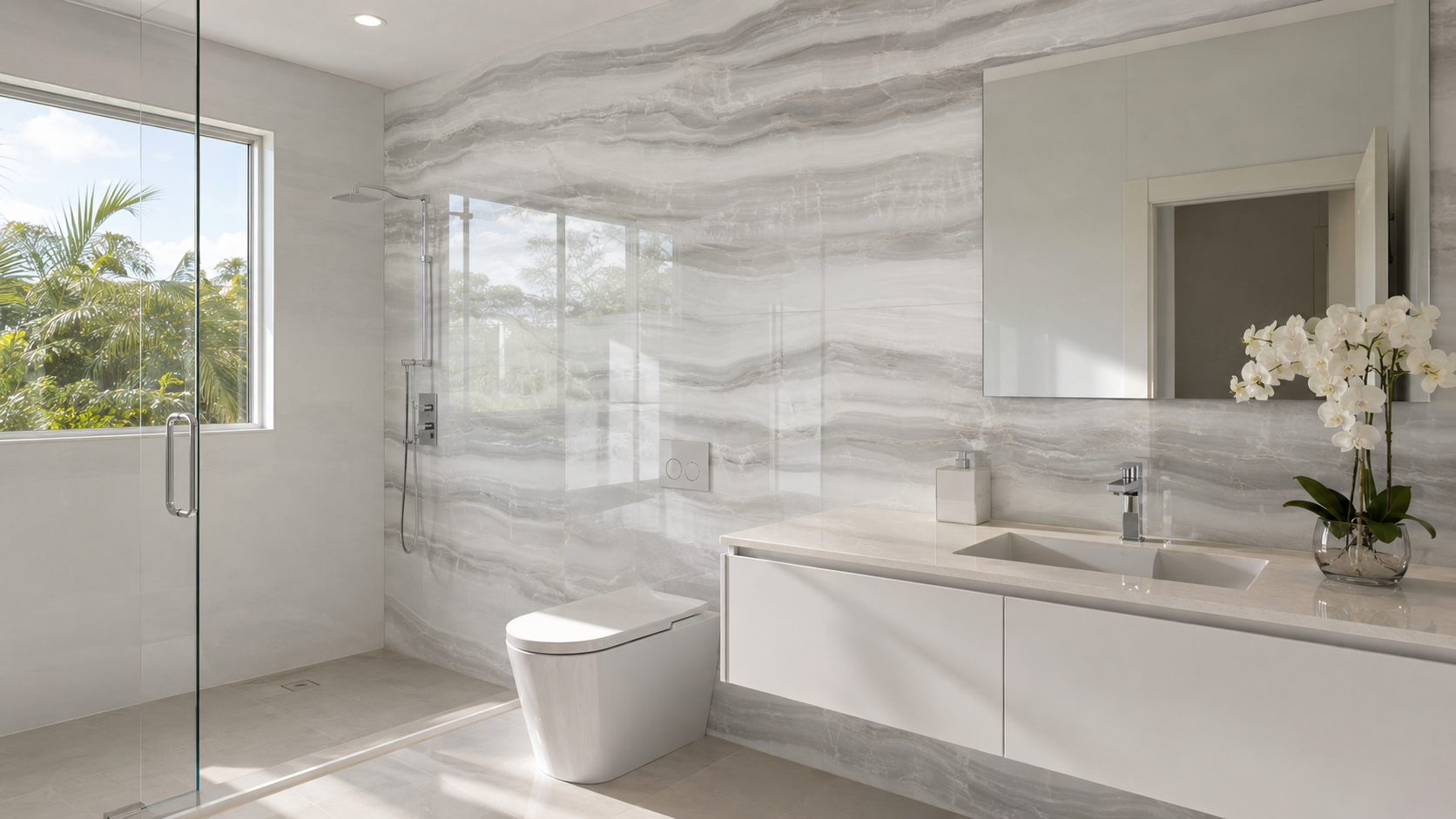 Grout is the detail most people skip and later regret. In a small room, the grout color decides whether your pattern disappears or shouts.
Matching grout to the tile blurs the joints and gives you the continuous, open look most small bathrooms want.
- Tile-matched grout for walls and large floor tiles keeps the surface reading as one plane.
- A slightly darker grout on the shower floor hides everyday wear without breaking the look.
- Choose rectified large-format tiles when you want the narrowest, neatest joints.
Quick Grout Checklist
- Match grout to tile for an open, larger feel.
- Use rectified tile for the tightest, cleanest joints.
- Pick a forgiving shade on the shower floor.
- Follow the grout manufacturer’s sealing and maintenance instructions.
Choosing Materials for a Small Bathroom
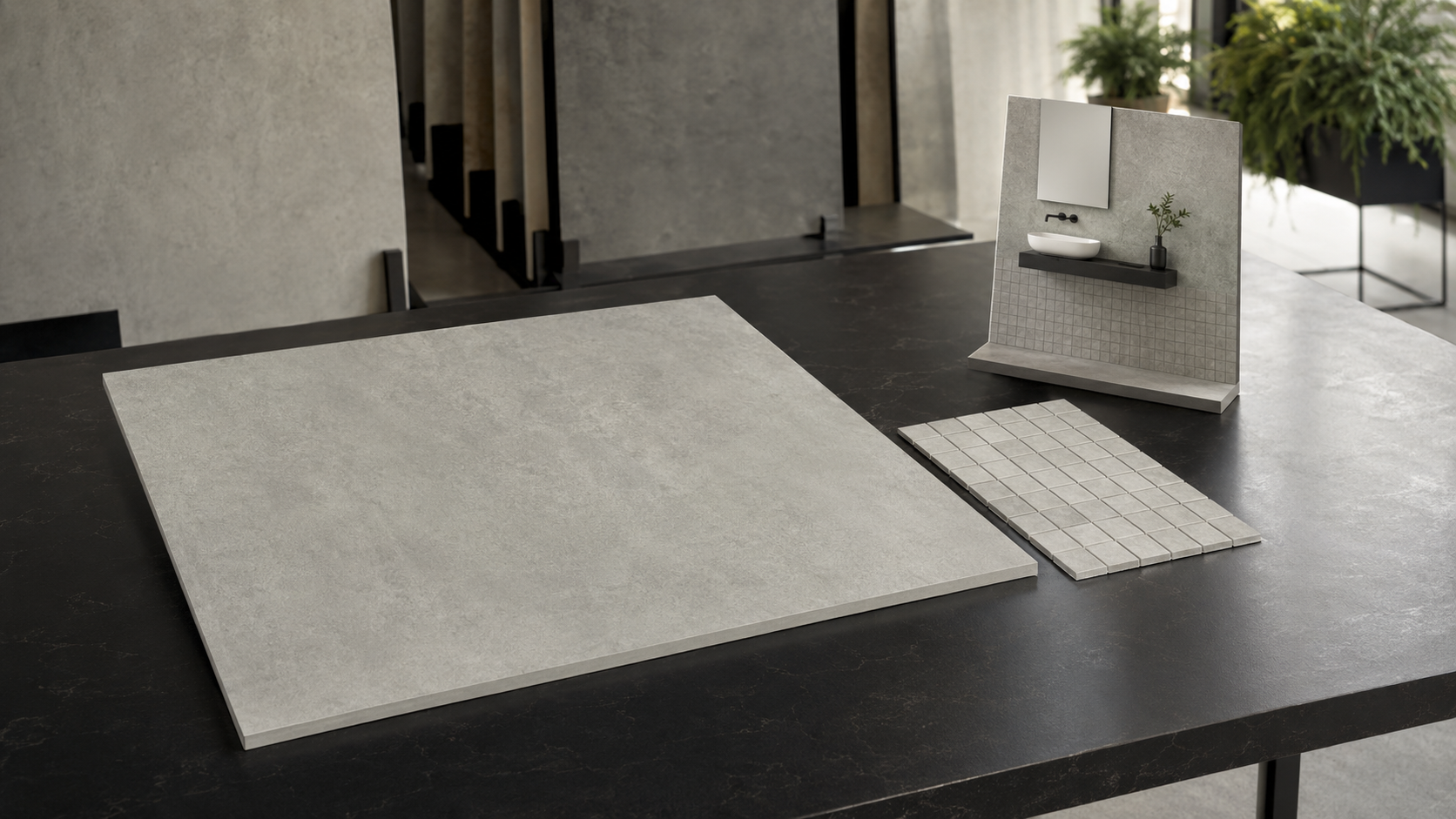 Pattern sets the look, but material sets the feel and the upkeep. In a humid coastal climate, the right surface holds up and stays beautiful.
Porcelain handles moisture, resists wear, and arrives in marble-look and concrete-look faces that bring depth at any tile size. For natural warmth, honed marble or travertine adds character, though both require sealing and a gentler cleaning routine.
- Porcelain: durable, low-maintenance, and available in large-format marble looks.
- Marble: a timeless, elegant face for a feature wall or vanity surround.
- Porcelain slabs: near-jointless walls for the most continuous small-bathroom look.
Not sure how much you need? Our tile calculator helps you estimate square footage before you request samples.
Why Work With Cavastone
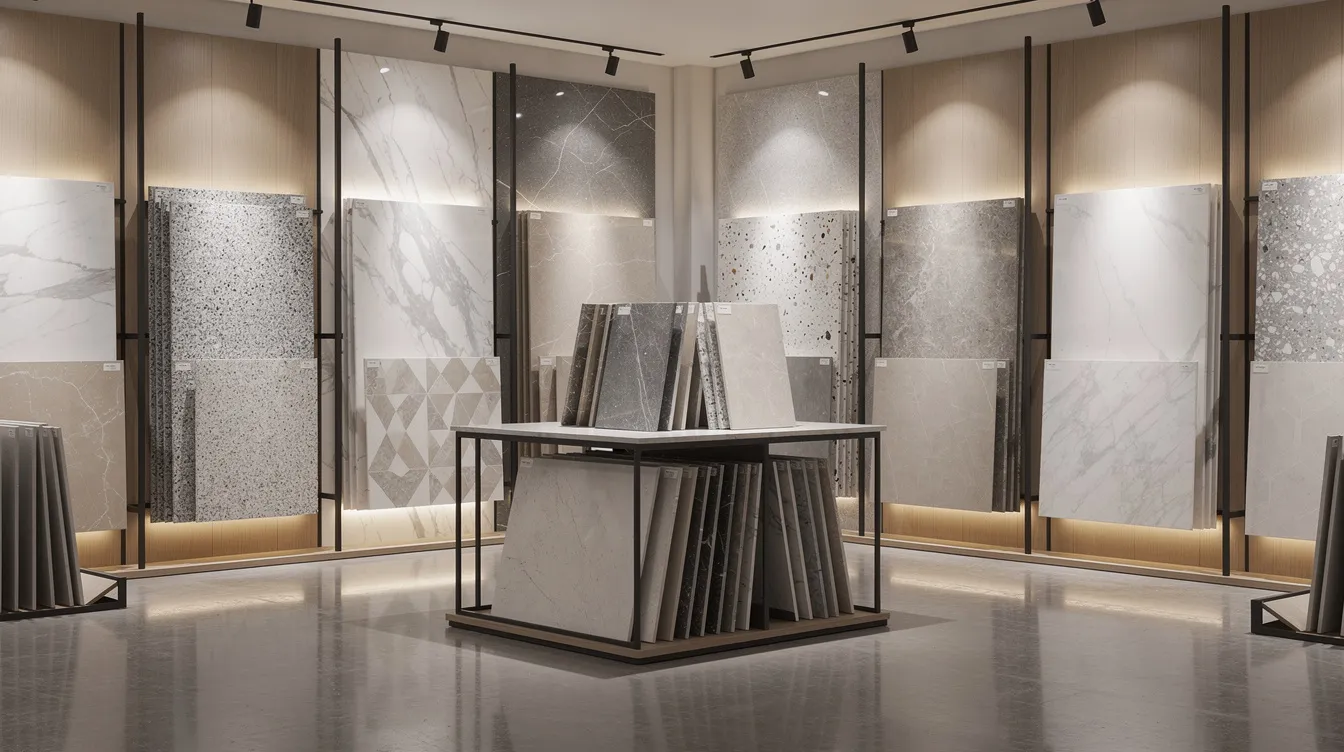 Picking small bathroom tile patterns gets easier when you can first see and hold the material. That is where we come in.
Connie Davalos founded Cavastone in 2006, and for nearly 20 years, we have helped South Florida architects, designers, builders, and homeowners source surfaces that fit the room and the climate. We import collections that you will not find through other South Florida suppliers.
- Two warehouses carry more than 600 SKUs with a 24- to 48-hour turnaround on stocked items.
- Frictionless sampling and clear pricing: trade pricing for professionals, retail for homeowners, same service for both.
- A boutique, team-based culture means you get the right tile, not the easiest sale.
Visit our showroom at 646 Park of Commerce Way, Boca Raton, Florida 33487, call 561-994-9100, or learn more about our story. We also serve clients across the region, including Delray Beach and the surrounding areas we cover. Get directions to the showroom.
Ask AI About This Guide
Frequently Asked Questions
Which Tile Pattern Makes a Small Bathroom Look Bigger?
Layouts that lead the eye work best. A diagonal or herringbone layout tricks the viewer into seeing more floor, while large-format tile in a straight set cuts grout lines for a clean, open plane. Vertical stacking lifts the ceiling, and matching the grout to the tile keeps the whole surface unified. Pair any of these with pale, glossy tile to make a small bathroom feel its biggest.
Are Large or Small Tiles Better for a Small Bathroom?
Large tiles usually win on walls and floors because they reduce visible joints and make the room feel continuous. Small tiles still have a job: mosaic, penny tiles, and small hexagon tiles give the shower floor grip and let it slope to the drain. Review the manufacturer’s classification alongside TCNA guidance on wet-area flooring and slip resistance. The smart move is to use large format almost everywhere and small tiles only where traction or an accent calls for them.
Should Tile Run Vertical or Horizontal in a Tight Bathroom?
It depends on what the room lacks. Vertical tiles elongate walls and add height, which helps rooms with low ceilings. Horizontal tiles make a narrow room feel wider. Many small bathrooms use both, with vertical tile in the shower and a horizontal run behind the sink for subtle movement.
What Is the Best Tile Size for a Small Bathroom Floor?
A 12-by-24 or 24-by-24 tile suits most small bathroom floors. The larger face means fewer grout lines and more visual floor space. Make sure your installer preps a flat substrate, since large-format tile needs tight flatness tolerances to sit without lippage.
What Grout Color Works Best in a Small Bathroom?
Match the grout to the tile for the most continuous, space-expanding look. A grout close in tone hides the grid and lets the pattern flow. On a shower floor, a slightly deeper shade hides wear while still reading clean. For a bolder look on one accent wall, a contrasting grout turns plain tile into a feature.
Do White Subway Tiles Still Work in Small Bathrooms?
Yes, and they remain a timeless choice. White subway tiles keep a small bathroom bright and classic, and a vertical stack gives the familiar tile a modern, taller feel. Matching grout makes the wall read as one calm surface, while a darker grout adds graphic contrast if you want more character.
Are Glossy or Matte Tiles Better for a Small Space?
Glossy tiles reflect light, so they make a small bathroom feel brighter and larger, which is why pale, glossy finishes are a go-to for compact rooms. Matte or textured finishes may provide more traction than polished surfaces, but the manufacturer’s wet-area use classification and slip-resistance data should guide the final specification.
How Do I Make a Bathroom With Low Ceilings Feel Taller?
Run the tile vertically. Floor-to-ceiling vertical stacking draws the eye upward and stretches the wall, and vertically stacked patterns make the room appear taller. Keep the tile and grout close in tone so nothing interrupts that vertical line, then add a tall mirror to reinforce the height.
What Is the Easiest Small Bathroom Tile Pattern to Maintain?
Large-format tile with matching grout is the easiest to live with, because fewer grout lines mean less to seal and clean. Porcelain adds to that low upkeep with strong moisture and wear resistance. Reserve small mosaics for the shower floor, where their extra grout is a fair trade for grip. With the right small bathroom tile patterns, you get a room that looks larger and stays easy to care for.
Sources
Keep Exploring
- Florida bathroom tile trends for ideas suited to the local climate.
- Best grout color for your tile to lock in a continuous finish.
- Tile shapes and sizes for shower-floor and accent ideas.
- Browse porcelain, marble, and mosaics by material.
- Contact us to request samples or book a consultation.
See Your Small Bathroom Tile Patterns in Person
Hold the material, compare grout colors, and get expert guidance before you commit.

Owner, Cavastone Group
With years of perseverance and pride in what we do we have become a very well known and positioned company in the Architectural and Design industry. The same perseverance, pride and attention to detail that made us become who we are, are the same qualities we strive to provide to all our customers.