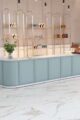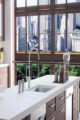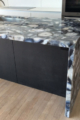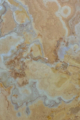
Choosing tile can feel overwhelming. With so many tile material types, finishes, sizes, and styles, it’s easy to wonder which option is actually right for your home. But here’s the good news: once you understand the differences between tile materials, everything starts to click. In this guide, we’re breaking down the most popular tile materials, what makes each one special, and how to choose the perfect tile for your space.
Key Takeaways
- Knowing the differences between tile material types helps you choose the right tile for each space.
- Porcelain tile is a popular choice for its durability, moisture resistance, and low maintenance.
- Natural stone tiles add timeless beauty but require sealing and proper care.
- Each tile material offers unique design possibilities for floors, walls, and accent areas.
- The perfect tile balances style, performance, and how you live in your home.
Why Understanding Tile Material Types Matters
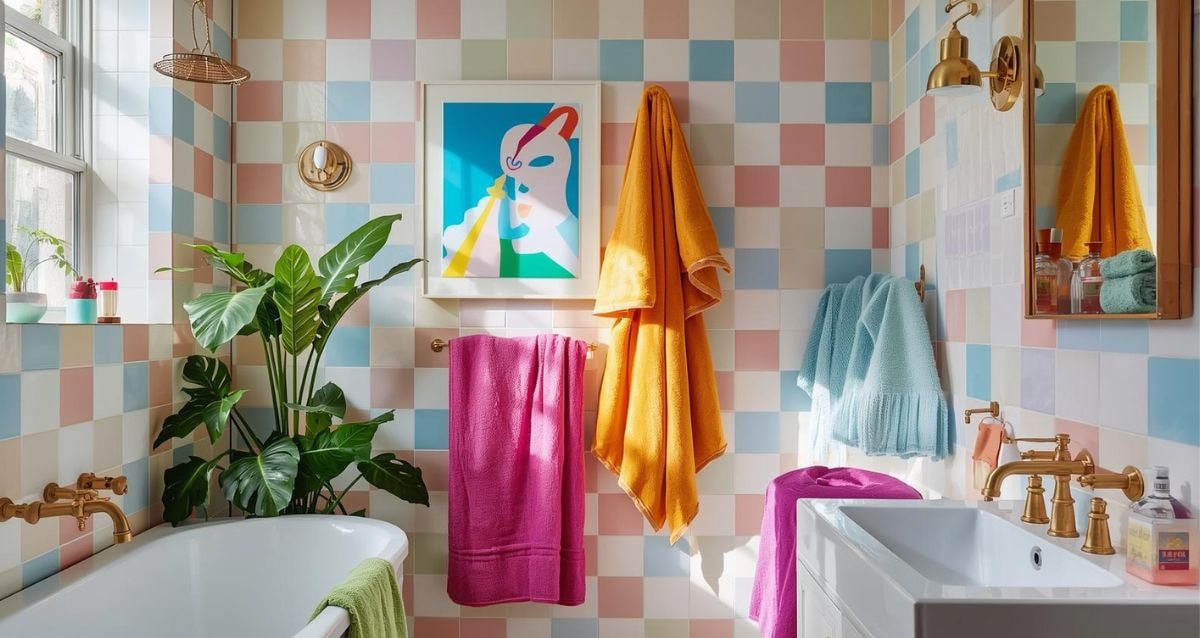
Tiles aren’t one-size-fits-all. The type of tile you choose affects durability, maintenance, slip resistance, and the overall look of your room.
A tile that works beautifully on bathroom walls might not be the best fit for a kitchen floor or a commercial space with heavy foot traffic.
At Cavastone, we always guide homeowners to strike a balance between design and practicality.
The right tile should not only look beautiful but also perform well for years to come.
Let’s walk through the key materials you’ll encounter and where they truly shine.
Porcelain Tiles
What They Are
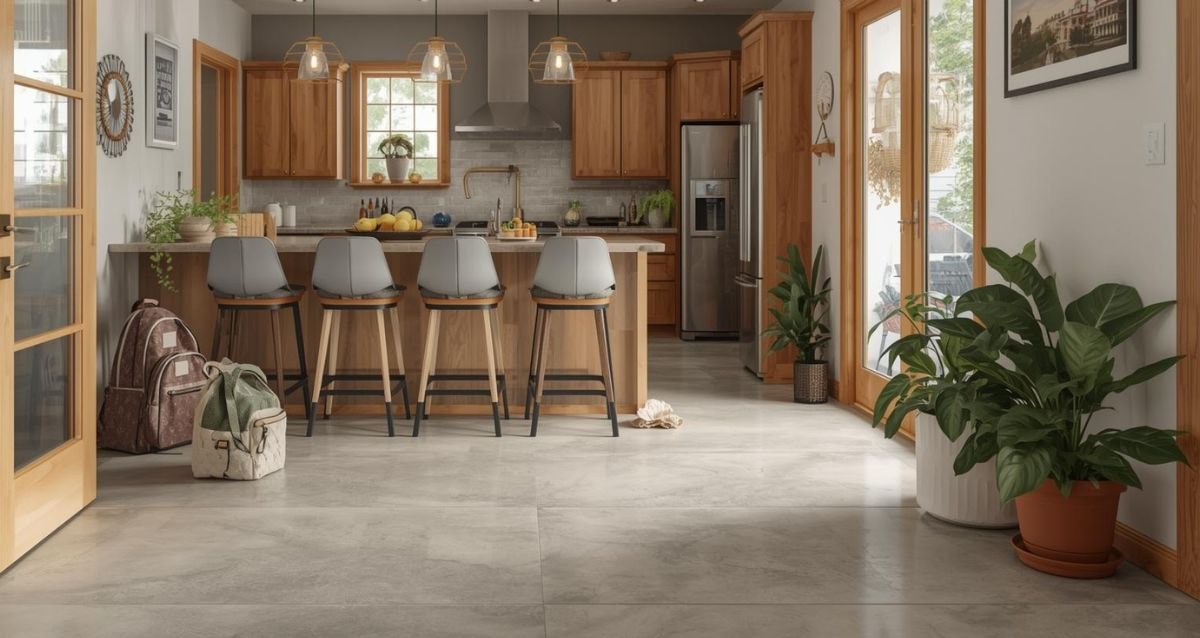
Porcelain tile is one of the most popular and versatile floor tile types available today.
It’s made from refined clay fired at very high temperatures, resulting in a dense, durable tile with low water absorption.
Key Features
- Extremely durable and resistant to wear and tear
- Excellent moisture resistance, even in areas with excess moisture
- Available in glazed tiles and unglazed tiles
- Comes in stone look tiles, wood looks, concrete looks, and more
- Low maintenance and easy to clean
Perfect Design Applications
Porcelain is ideal for bathroom floors, walls, kitchens, entryways, and high-traffic areas.
It’s also a great choice for commercial spaces due to its durability.
Unique Design Uses
Large-format porcelain tiles with fewer grout lines create a seamless, modern appeal.
Smaller tiles, like penny rounds or subway tile, add visual interest to backsplashes and accent walls.
Why It Works at Home
Porcelain’s durability makes it a perfect tile for busy households. It handles moisture, stains, and daily use without sacrificing style.
Porcelain Slabs
What They Are
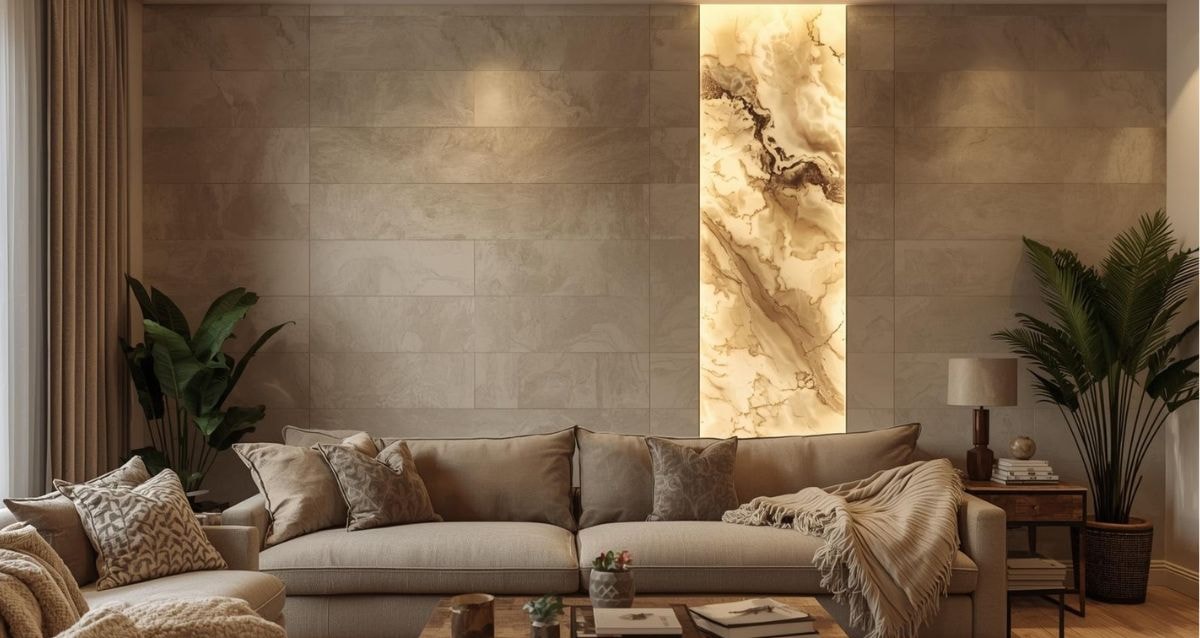
Porcelain slabs are oversized porcelain panels that take tile design to the next level.
They offer the same benefits as porcelain tile, just on a much larger scale.
Key Features
- Fewer grout lines for a clean, uninterrupted look
- High moisture resistance and durability
- Available in marble, stone, and concrete visuals
- Low maintenance compared to natural stone slabs
Perfect Design Applications
Porcelain slabs are stunning on walls, shower surrounds, kitchen backsplashes, and even countertops.
Unique Design Uses
Slabs create dramatic accent walls and spa-like bathrooms with minimal grout lines, enhancing visual flow and elegance.
Why They Work at Home
If you love a bold, modern interior design statement with low maintenance, porcelain slabs are a perfect match.
Marble and Travertine Tiles
What They Are
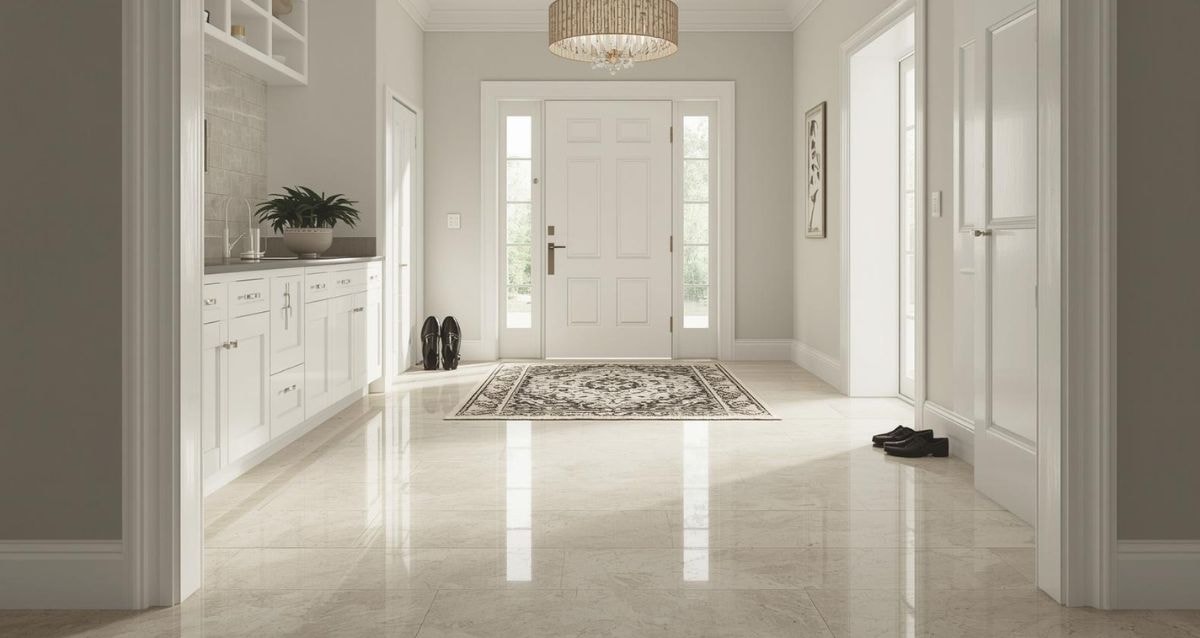
Marble tile and travertine are classic natural stone tile options known for their elegance and timeless beauty. Each tile is unique, with natural veining and earthy tones.
Key Features
- Luxurious appearance and natural variation
- Porous nature means they require sealing.
- Available in polished, honed, and textured finishes
- Add value and sophistication to a space
Perfect Design Applications
Best suited for bathroom walls, powder rooms, feature floors, and accent walls where visual impact matters more than heavy wear.
Unique Design Uses
Herringbone patterns (a distinctive V-shaped zigzag design), book-matched slabs (two or more sequentially cut pieces of wood or stone that are opened like a book to reveal a mirrored, symmetrical pattern), and statement floors instantly elevate interior design.
Why They Work at Home
Marble and travertine add an elegant touch and timeless style. With proper care and sealing, they remain beautiful for decades.
Quartzite and Granite Tiles
What They Are
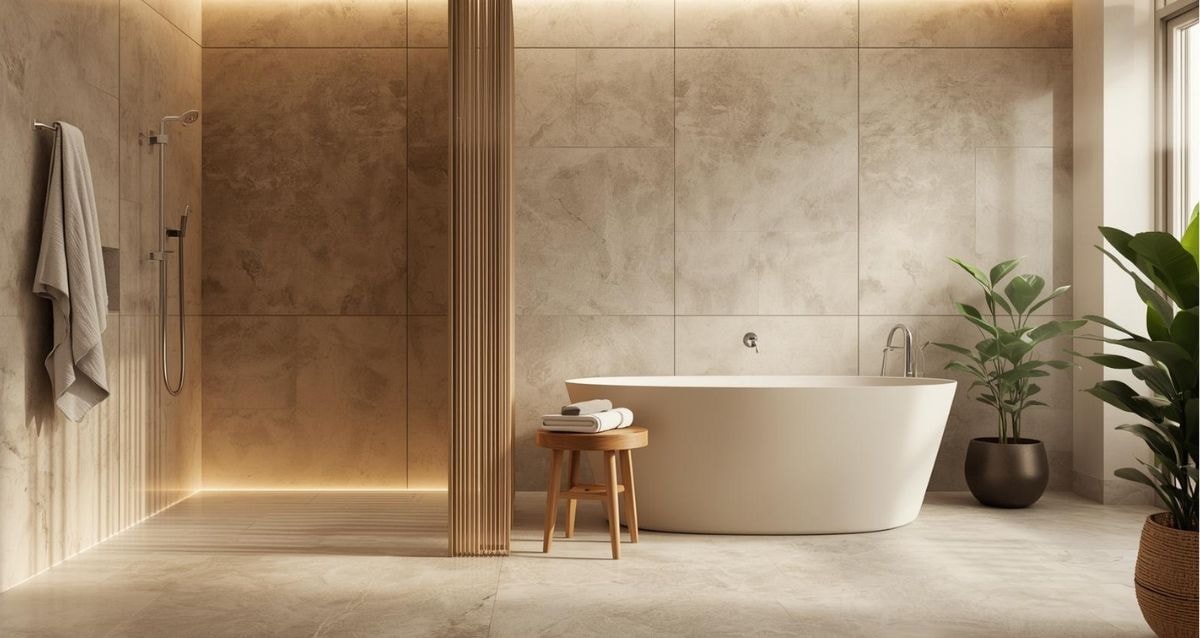
Quartzite and granite are natural stone materials prized for strength and durability.
Granite is especially known for its toughness, while quartzite offers subtle veining with added resilience.
Key Features
- Highly durable and resistant to scratches
- Require sealing to protect against stains.
- Suitable for indoor and outdoor use
- Natural patterns and various colors
Perfect Design Applications
Excellent for floor tile in kitchens, entryways, and outdoor areas, as well as countertops and walls.
Unique Design Uses
Granite tiles in high gloss finishes create striking, modern floors, while quartzite adds subtle elegance to larger tiles and feature walls.
Why They Work at Home
If you want natural materials that can handle heavy foot traffic and still look refined, these stones are a strong choice.
Limestone and Onyx Tiles
What They Are
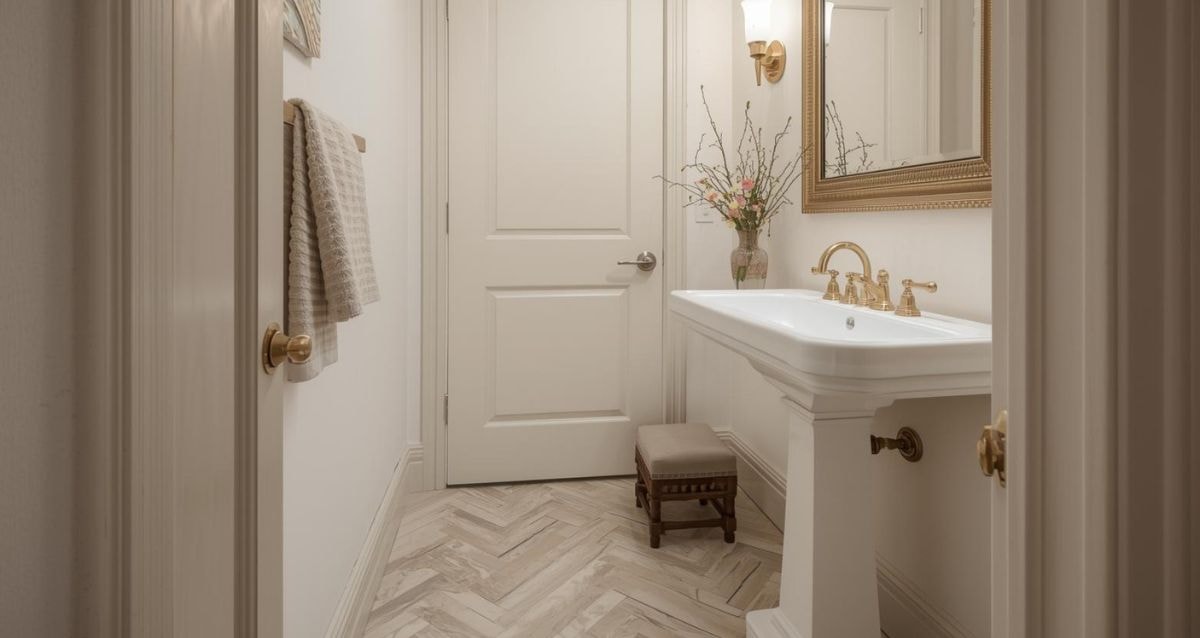
Limestone and onyx are softer natural stone tile options known for their earthy appearance and visual warmth.
Key Features
- Limestone offers a soft, neutral palette.
- Onyx is translucent and visually dramatic.
- Both are porous and require sealing.
- Add texture and depth to spaces
Perfect Design Applications
Ideal for feature walls, bathrooms, and low-traffic rooms where atmosphere matters most.
Unique Design Uses
Backlit onyx walls create unforgettable focal points, while limestone tiles bring understated elegance to floors and walls.
Why They Work at Home
These stones create calm, sophisticated spaces that feel organic and luxurious when properly maintained.
Recycled Glass Tiles
What They Are
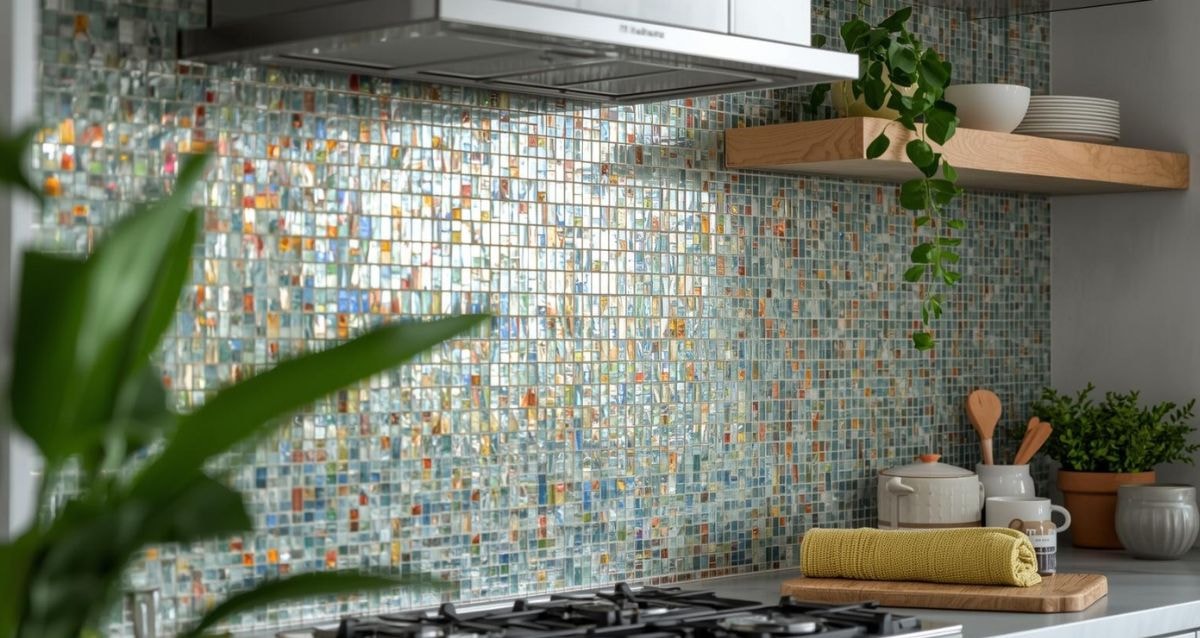
Recycled glass tiles are made from repurposed glass and offer a sleek, modern look while prioritizing sustainability.
Key Features
- Non-porous and moisture-resistant
- Naturally glossy finish and high gloss options
- Resistant to stains and easy to clean
- Environmentally friendly material
Perfect Design Applications
Best used as mosaic tiles for backsplashes, shower walls, and accent walls rather than floors.
Unique Design Uses
Glass mosaic tiles add sparkle, reflect light, and create striking patterns in kitchens and bathrooms.
Why They Work at Home
They’re perfect for homeowners who want a modern appeal with eco-conscious design choices.
Ceramic, Cement, and Encaustic Tiles
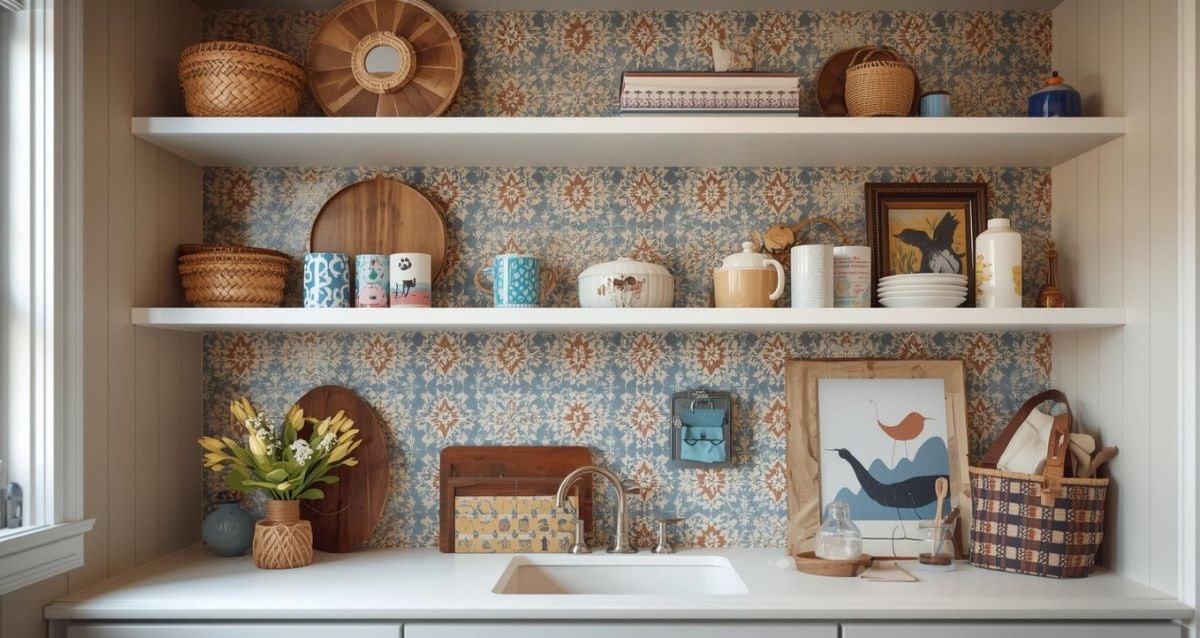
While porcelain often steals the spotlight, ceramic tile, cement tile, and encaustic tile still have a place in design.
Ceramic tiles are lighter and more affordable, ideal for walls and low-traffic floors.
Cement and encaustic tiles offer handcrafted patterns and bold visual interest but require sealing and careful maintenance.
These materials are great for feature areas, backsplashes, and spaces where pattern and personality are the priority.
Choosing the Right Tile for Your Space
When selecting from different tile material types, consider these essentials:
- Location and exposure to moisture
- Slip resistance, especially for bathroom floors
- Size of tiles and scale of the room
- Maintenance level and sealing requirements
- Overall design scheme and desired style
Larger tiles create a modern, seamless look, while smaller tiles add texture and detail. Matching grout lines can soften a design, while contrasting grout enhances pattern and symmetry.
Final Thoughts from Cavastone
Understanding tile material types empowers you to make confident, informed choices. Whether you’re drawn to durable porcelain, elegant marble, or bold recycled glass, each material brings something unique to your home.
At Cavastone, we believe the perfect tile is the one that fits your lifestyle, your space, and your vision. Our collections are curated to offer beauty, performance, and timeless design across every room.
If you’re planning a renovation or new build, contact our team or visit our showroom to explore materials up close and find the perfect match for your project.
Frequently Asked Questions About Tile Material Types
Is marble tile a good choice for floors or better suited to walls?
Marble tile can be used on both floors and walls, but it’s worth noting that it requires a more careful installation process than regular tiles. Many homeowners choose marble as a statement floor tile or backsplash option because of its elegant look and unique patterns, especially in lower-traffic areas.
How does natural stone tile differ from ceramic tile?
Natural stone tiles are formed from stone quarried from the earth, while ceramic tile is made from fired clay, often local clay, depending on the manufacturer. A natural stone tile offers organic variation and texture, while ceramic is a popular choice for its consistency, ease of installation, and lower maintenance.
Can cement tile be used as a floor tile in busy spaces?
Cement tile can work as a floor tile, but it’s worth noting that it requires sealing and ongoing care compared to regular tiles. Homeowners often use cement tile for its bold shape and unique patterns, especially in feature areas rather than high-traffic zones.
Are penny rounds suitable for bathroom floors or backsplashes?
Yes, penny rounds are a popular choice for both bathroom floors and backsplashes. Their small shape creates extra grout lines, which can improve slip resistance, and they allow for creative layouts using unique patterns.
How does luxury vinyl tile compare to tile when choosing a type of tile?
Luxury vinyl tile is often compared to tile because it’s easy to install and softer underfoot, but it doesn’t offer the same durability or longevity as porcelain or natural stone. When deciding on a type of tile, it’s worth noting that true tile materials provide better long-term value, especially for kitchens, bathrooms, and areas where a brick-like strength and solid shape matter.