Wet rooms are having a moment, and honestly, it’s easy to see why. They’re sleek, stylish, and designed to make everyday living feel a little more luxurious. But here’s the thing: a wet room only truly works if the tiles are doing their job. In this guide, we’ll walk you through what a ‘wet room’ is, why porcelain wet room tiles are the hero choice, and how to create a space that looks beautiful while handling water like a pro.
Key Takeaways
- Wet rooms combine modern style with everyday practicality in one seamless space.
- Porcelain tiles are the ideal choice for wet rooms due to durability and water resistance.
- The right tile finish improves safety while enhancing the overall design.
- Thoughtful tile design can make wet rooms feel spacious and spa-like.
- Well-designed wet rooms add long-term value and comfort to your home.
What Is a Wet Room?
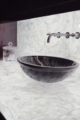
A wet room is a fully waterproof bathroom where the shower is built directly into the space, without a traditional shower tray or enclosure. [Source]
The floor, walls, and shower area are all tiled and gently sloped toward a drain, creating one seamless, open room.
Unlike standard bathrooms, wet rooms feel more spacious, more connected, and more modern.
They’re designed to let water flow freely while keeping everything protected underneath.
You might still include a tub, but many wet room designs focus on an open shower area that blends beautifully into the rest of the space.
At Cavastone, we see wet rooms as the perfect balance between style and practicality. They’re clean, minimalist, and incredibly versatile, working just as well in compact bathrooms as they do in large, spa-inspired homes.
Why Tile Choice Matters So Much in a Wet Room
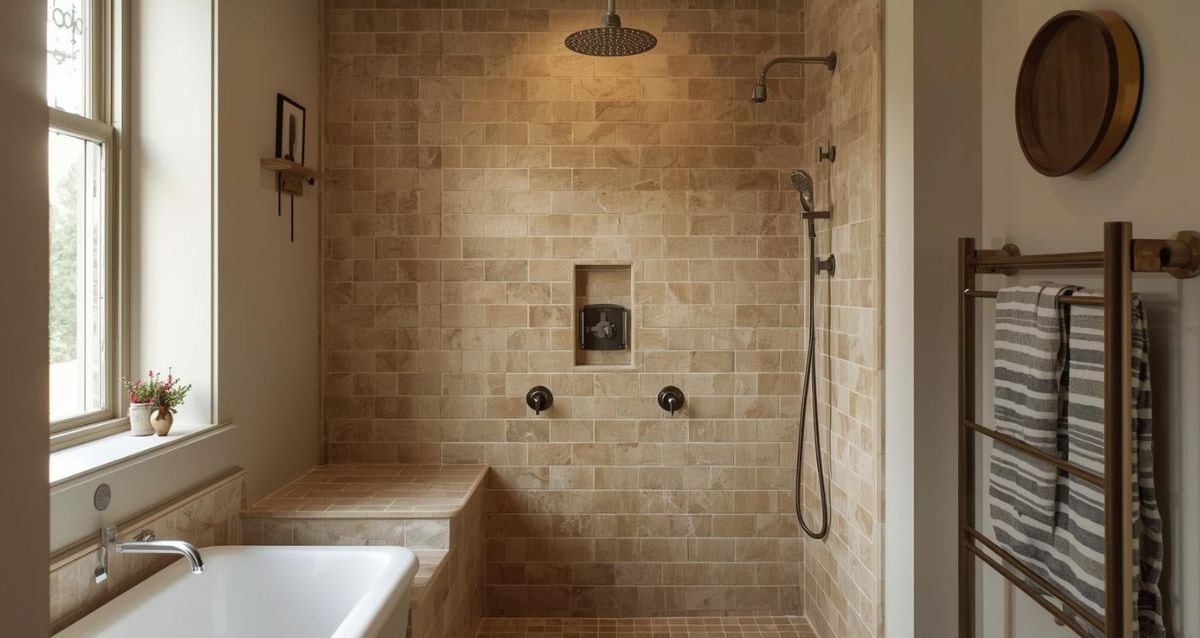
When it comes to wet room tiles, not all tiles are created equal. This is one space in your home where performance really matters.
Tiles must be able to handle constant water, high moisture, and daily use without compromising safety or appearance.
The right wet room tiles will:
- Protect the structure beneath the surface.
- Improve safety with slip-resistant finishes.
- Enhance the overall appearance of the room.
- Make cleaning and maintenance easy
Choosing the wrong tile can lead to issues over time, which is why careful planning and expert advice are essential when designing a wet room.
Porcelain Tiles: The Hero for Wet Rooms
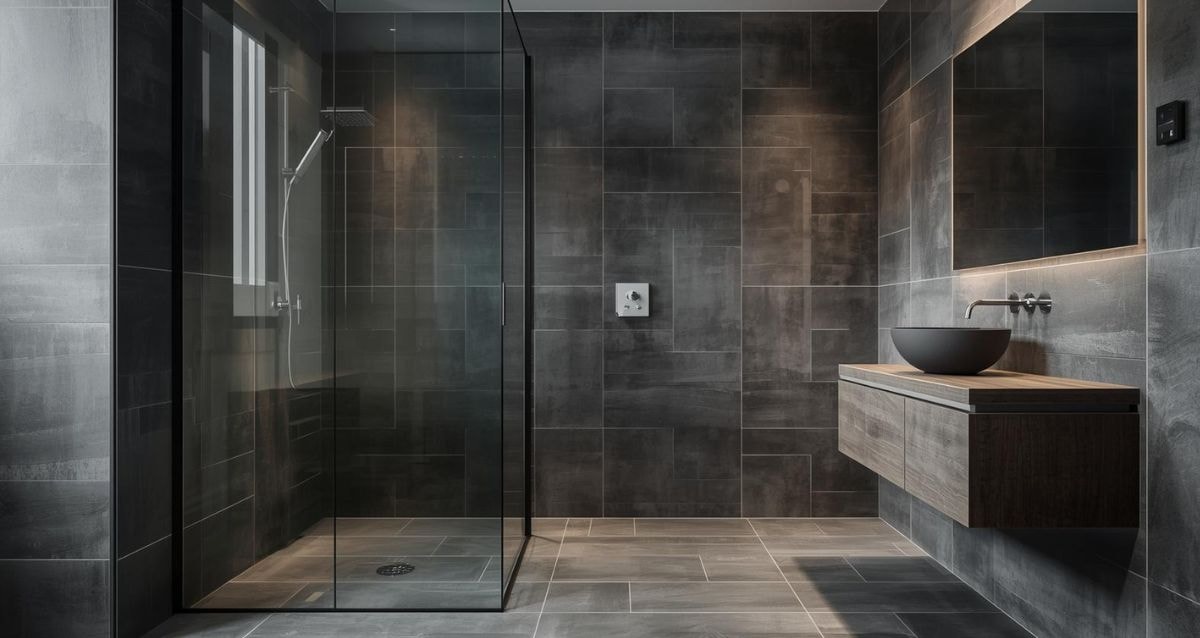
If there’s one material we consistently recommend for wet rooms, it’s porcelain tile.
Porcelain is specifically designed to be dense, durable, and highly water-resistant, making it ideal for wet-room floors, shower walls, and everything in between.
Why Porcelain Works So Well
- Water resistance: Porcelain tiles absorb very little water, helping protect the substrate below and keeping your wet room performing as it should.
- Durability: These tiles are made to last. They stand up to daily use, temperature changes, and moisture without cracking or staining.
- Safety: Many porcelain tiles come in matte or textured finishes with excellent slip resistance, essential for the shower floor and main wet room floor.
- Design versatility: Porcelain allows you to recreate the look of natural stone, concrete, or classic ceramics while keeping maintenance low.
Another bonus? Large format tiles can enhance the water resistance of a wet room and create a sleek look due to having fewer grout lines, which means fewer places for water to settle and easier cleaning. However, on the flip side, smaller tiles can be beneficial in wet rooms because they create more grout joints, which can help reduce slipperiness. The choice is yours.
What About Natural Stone?
We love the look of natural stone, and it can absolutely play a role in wet room design.
Stone brings warmth, texture, and undeniable elegance to a bathroom. Materials like slate, limestone, and travertine add depth and character that’s hard to replicate.
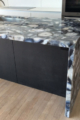
Mixing natural stone with stone-look tile can create a luxurious appearance while being budget-friendly.
However, natural stone does require a bit more care. It needs sealing and ongoing maintenance to keep it looking its best in a wet environment.
That’s why many homeowners choose stone-look porcelain tiles instead. You get the same texture, depth, and classic appeal, but with easier upkeep and better long-term practicality.
Mixing natural stone with porcelain is also a great way to balance beauty and function. Use stone as a feature wall, and porcelain for the wet room floor and shower area to ensure durability where it matters most.
The Benefits of Having a Wet Room in Your Home
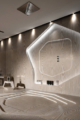
A well-designed wet room is more than just a trend. It’s a smart addition that brings real benefits to your home and your lifestyle. [Source] This is because it offers:
- More space: With fewer barriers, wet rooms feel open and airy, even in smaller bathrooms.
- Easy access: A level-entry shower makes wet rooms ideal for aging in place or for anyone with mobility concerns.
- Modern appeal: Wet rooms have a clean, contemporary look that adds serious design appeal and can enhance home value.
- Easy maintenance: With fewer fixtures and seamless tiling, cleaning is simpler and quicker.
Wet rooms also offer flexibility. Whether you’re building new or renovating, they adapt beautifully to different layouts and design styles.
Wet Room Ideas! Bringing Your Design to Life
This is where wet room design really comes alive. With the right tiles, finishes, and layout, a wet room can feel anything from calm and spa-like to bold and design-forward. The key is knowing how to use tile to shape the mood of the space while keeping everything practical and water-ready.
Large Format Tiles for a Sleek, Seamless Look
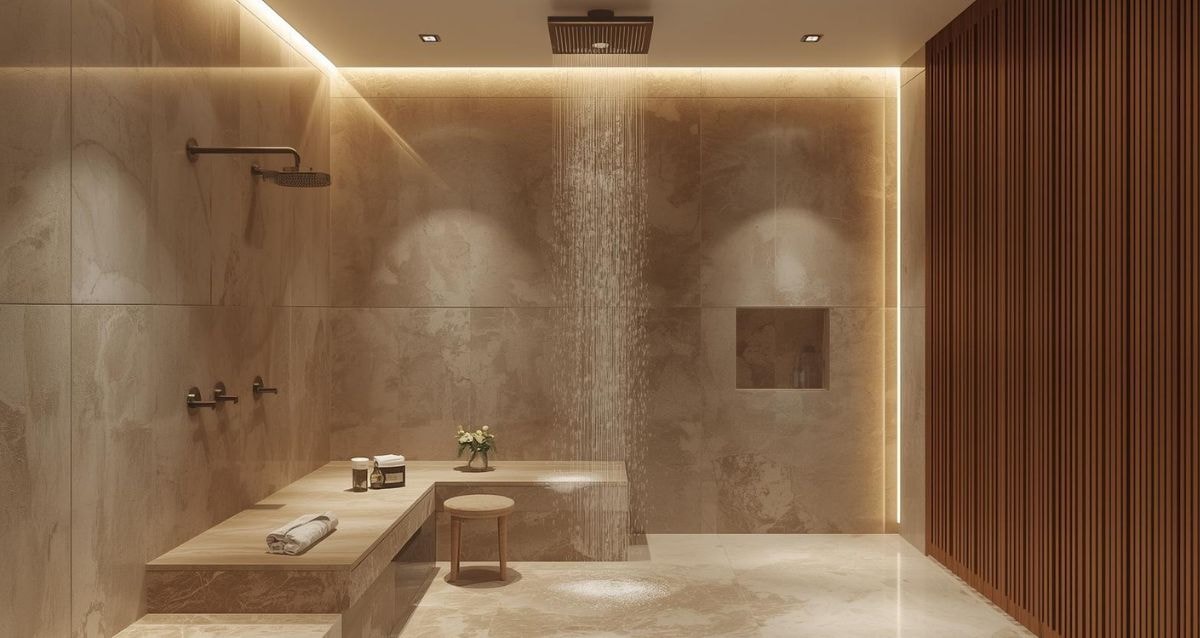
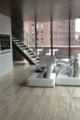
Large-format wet room tiles are perfect if you love clean lines and a modern feel. [Source]
Use oversized tiles on both the floor and walls to create a seamless, almost hotel-style look that visually opens up the room.
Shades like soft grey, warm beige, or crisp white help reflect light and make smaller bathrooms feel more spacious.
Pair them with a simple linear drain and minimal fixtures for a polished, contemporary finish.
Add Texture for Warmth and Grip
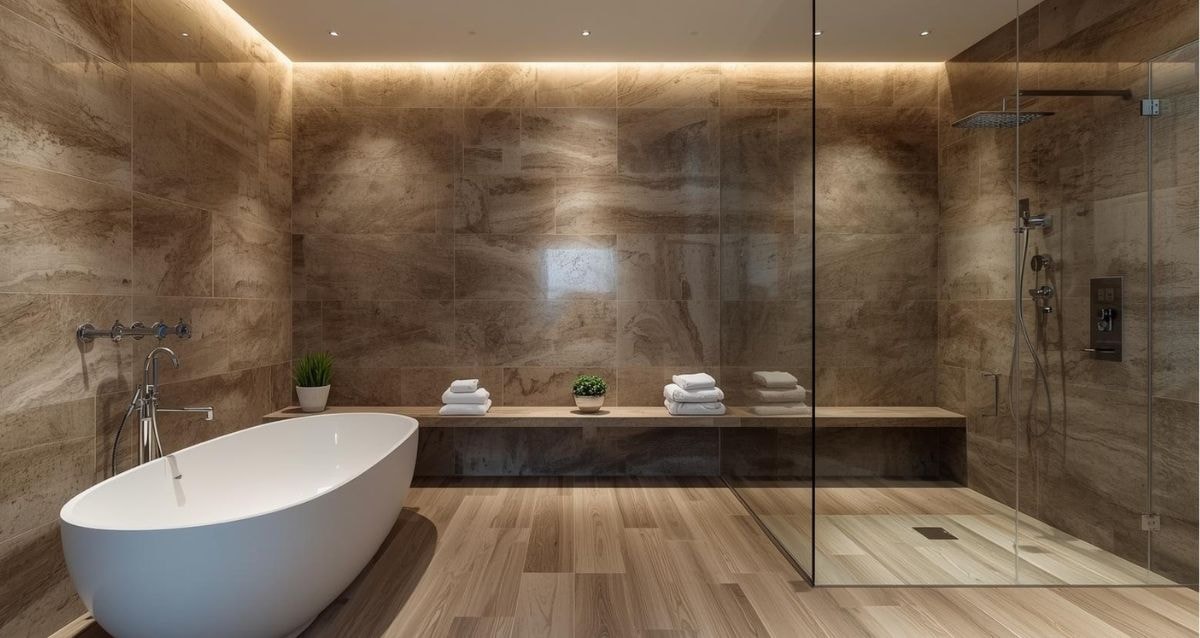
Texture plays a big role in wet rooms, both visually and practically.
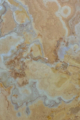
Stone-look porcelain with a subtle texture adds warmth and depth while offering extra grip underfoot.
Matte or honed finishes work beautifully on the shower floor and main wet area, giving you peace of mind without sacrificing style.
This is an easy way to bring in a natural, grounded feel that still looks refined.
Create a Feature Wall with Purpose
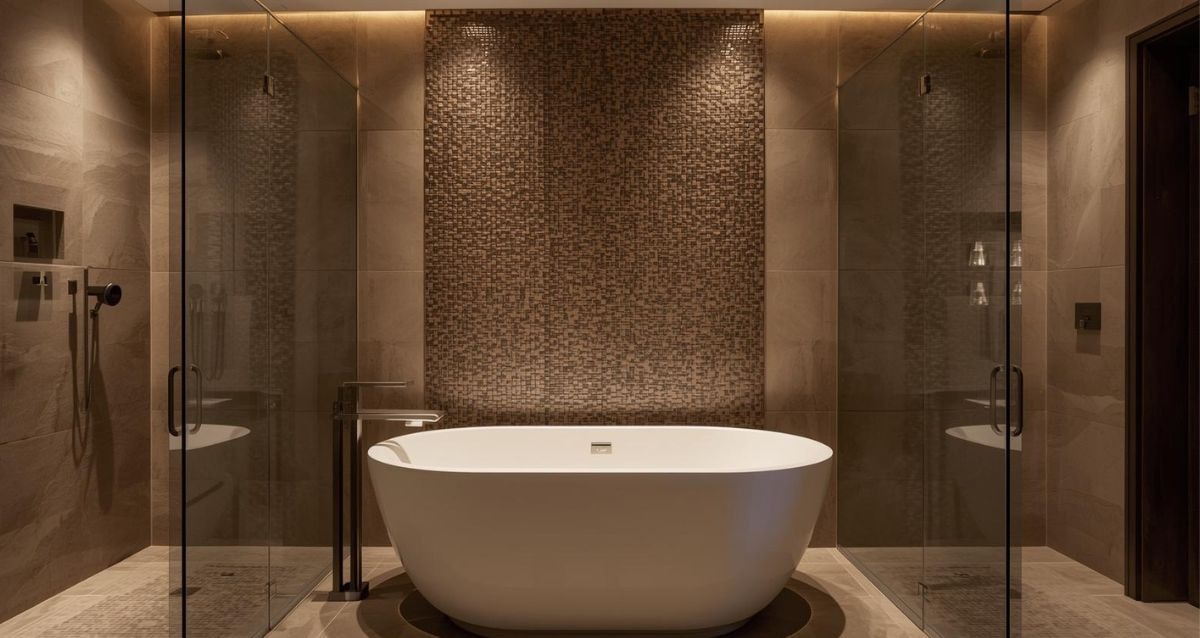
A feature wall is a great way to add personality to your wet room without overwhelming the space.
Try a textured tile behind the shower or a patterned design that runs floor to ceiling to draw the eye upward.
This works especially well in neutral rooms, where the feature wall becomes a focal point and adds just the right amount of drama. Keep the surrounding tiles simple so the feature can truly shine.
Use Color to Set the Mood
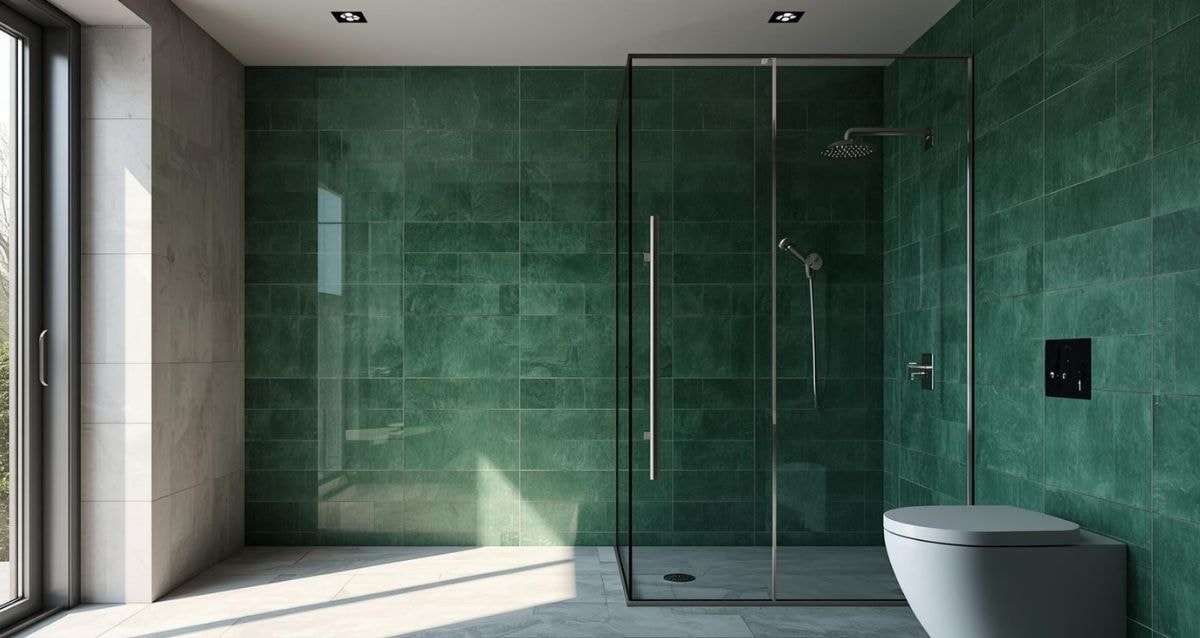
While neutral wet room ideas are always popular, color can make a beautiful impact when used thoughtfully.
Soft blues and greens create a calming, spa-like atmosphere, while warmer stone-inspired tones bring coziness and comfort.
Even a subtle shift in tone between the floor and walls can add depth and interest without feeling busy.
Mix Materials for a Layered Look
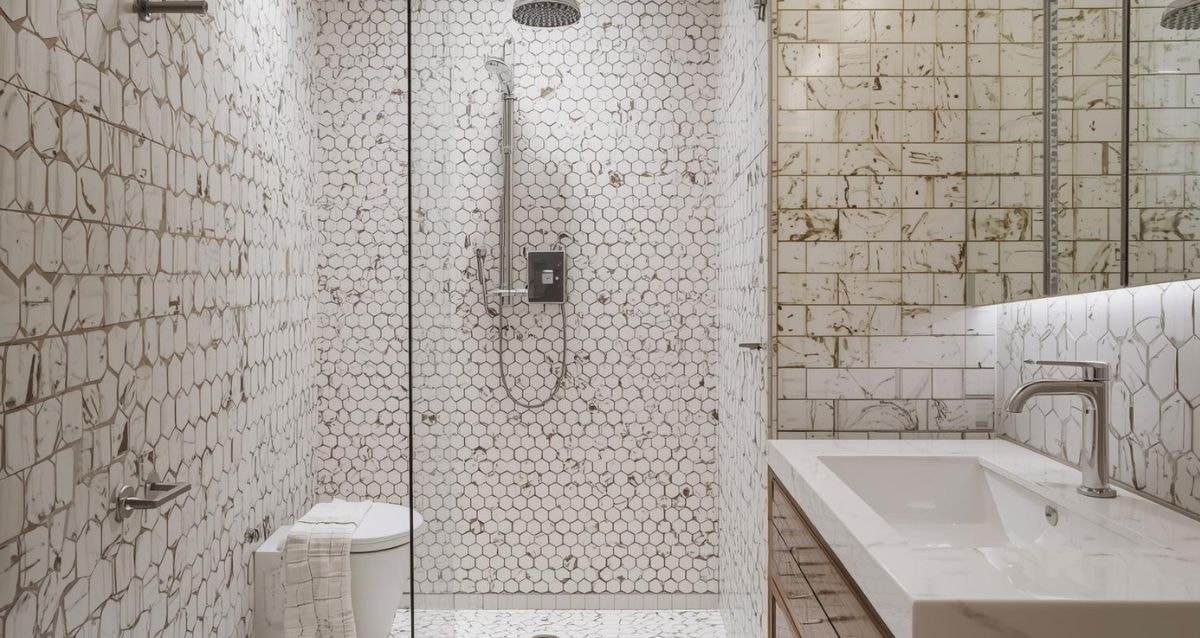
One of our favorite wet room ideas is mixing materials.
Combine porcelain tiles with natural stone accents or stone-look tiles to balance beauty and practicality.
For example, use durable porcelain on the shower floor and main walls, then add natural stone on a vanity wall or niche to elevate the overall design.
This layered approach adds richness and makes the space feel carefully curated.
With the right combination of tile, texture, and color, your wet room can feel personal, stylish, and incredibly functional. It’s all about choosing elements that work together to create a space you’ll love stepping into every day.
Practical Tips for a Successful Wet Room
Before you get started, here are a few essential notes from the Cavastone team:
- Choose tiles with the right slip-resistance rating for wet room floors.
- Opt for finishes that balance safety and style.
- Use quality grout and waterproofing systems.
- Plan your layout carefully to ensure proper drainage.
- Always work with experienced professionals for installation
These details may seem small, but they make a big difference in how your wet room performs and looks over time.
Bringing It All Together
A wet room is the perfect example of design meeting practicality. When done right, it becomes a space you enjoy every single day, one that feels luxurious, safe, and effortlessly stylish. The key lies in choosing the right wet room tiles, especially durable porcelain options that can withstand water while elevating your bathroom’s overall look.
At Cavastone, we’re passionate about helping homeowners create spaces that work hard and look beautiful. Our tile collections are carefully curated to offer quality, elegance, and plenty of inspiration for every kind of wet room design.
If you’re ready to explore wet room ideas or need guidance on choosing the right tiles for your project, visit our showroom, shop online, or contact our team for expert advice. Let’s create a wet room that you’ll love now and for years to come.
Frequently Asked Questions About Wet Room Tiles
Are wet rooms a good option for people with mobility issues?
Yes, wet rooms are an excellent choice for people with mobility issues because they offer a level-access shower with no steps or raised edges on the floor. This bathroom design makes it easier to move safely through the space while still looking modern and stylish.
Can a wet room work in a small bathroom or on a compact site?
Absolutely. A wet room can work beautifully on almost any site, whether it’s a small bathroom or a larger space. Using large tiles for the walls and floors, light colors, and fewer grout lines helps fill the room and make it feel more open and bright.
How do I keep my wet room bathroom easy to maintain over time?
Choosing porcelain wet room tiles makes the space easy to maintain. Porcelain resists water and stains, and fewer grout lines mean less cleaning. Porcelain tiles are perfect for all bathrooms, they work well on walls, creating feature accents and floors. With the right tile choices, you’ll save time and effort on upkeep.
Can a wet room still feel warm and inviting, not cold or clinical?
Yes, a well-designed wet room can feel warm and welcoming. Using textured tiles, stone-look finishes, and warm tones for the walls helps fill the space with character. Looking at inspiration photos can help you picture how inviting the final result can be.
Where can I find inspiration and advice for planning my wet room?
You can explore wet room ideas through design posts, inspiration galleries, and expert advice from Cavastone when you contact our showroom. Our team is happy to help you plan a wet room that suits your home, style, and even regional preferences across the country.
Can I still include a tub and design features in a wet room without losing the look?
Yes, absolutely. Many wet rooms include a freestanding tub alongside a tiled floor and open shower, creating a spa-like layout that feels intentional and balanced. Using soft grey or beige tiles as the base keeps the space calm, while adding a subtle pattern on a feature wall or shower area brings personality without overwhelming the design.