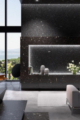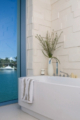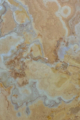
If you are planning a space and deciding between natural stone and stone-look porcelain tile, you are not alone. This is one of the most common design decisions today, and the right choice can completely shape the look, feel, and durability of your project. In this guide, we break it down simply so you can choose with confidence and create a space that truly reflects your vision.
At Cavastone, we work every day with designers, architects, contractors, and homeowners who are weighing these exact options. The truth is, both natural stone and stone look porcelain tiles have their place, and understanding how they differ is what helps you make the best decision.
Key Takeaways
- Natural stone offers unique beauty and timeless charm, while stone look porcelain tile delivers durability and consistency.
- Stone look porcelain tiles are easier to maintain and highly resistant to stains, moisture, and wear.
- Natural stone works best in feature areas where texture and authenticity matter most.
- Stone effect porcelain tiles are ideal for high-traffic indoor and outdoor spaces.
- Many designers combine both materials to balance natural beauty with long-term performance.
What Is Natural Stone?

Natural stone is exactly what it sounds like. It is genuine stone sourced from the earth, including materials like marble, limestone, granite, and travertine. Each tile is unique, shaped by nature over time, which gives it unmatched character and natural beauty.
Natural stone is often used to create spaces that feel warm, timeless, and connected to nature. No two tiles are the same, which means every installation has its own personality.
Pros and Cons of Natural Stone
Pros
- Unmatched natural beauty – Natural stone offers a depth and texture that is difficult to replicate. According to top industry trend reports, this is one of the most important trends this year. [Source] The variation in color, veining, and surface gives each space a refined and luxurious feel.
- Timeless appeal – Materials like marble and limestone have been used for centuries. They bring a sense of traditional charm and lasting elegance.
- Adds value to a space – Using real stone can elevate both residential and commercial environments, adding to the overall aesthetic appeal.
Cons
- Requires maintenance – Natural stone is more porous, which means it can absorb stains and may need sealing over time.
- Sensitive to chemicals – Some types of stone, like marble, can react to cleaning products and require more careful care.
- Higher cost – Genuine stone is often more expensive due to sourcing and processing.
Where Natural Stone Works Best
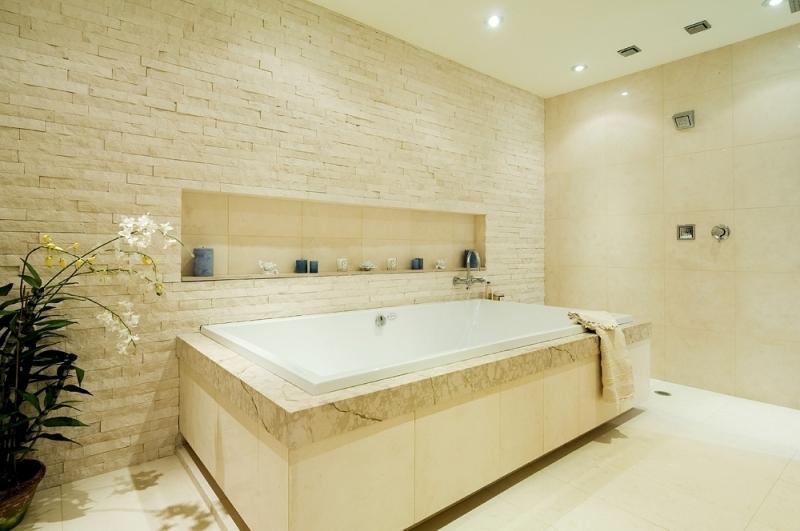
Natural stone works beautifully in spaces where you want to highlight authenticity and texture.
Best applications include:
- Living rooms and feature walls where you want to create a focal point
- Bathroom walls and floors for a spa-like, serene feel
- Outdoor spaces like patios and walkways using slate or limestone
- Fireplace surrounds that showcase natural materials
Natural stone is ideal when the goal is to create a space that feels organic, layered, and deeply connected to nature.
What Is Stone Look Porcelain Tile?
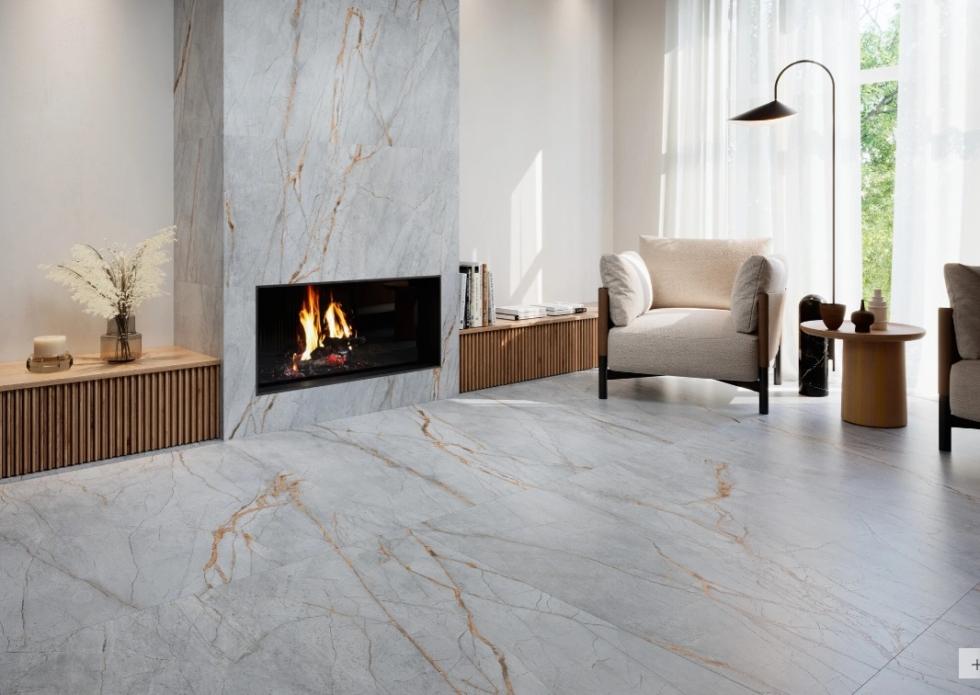
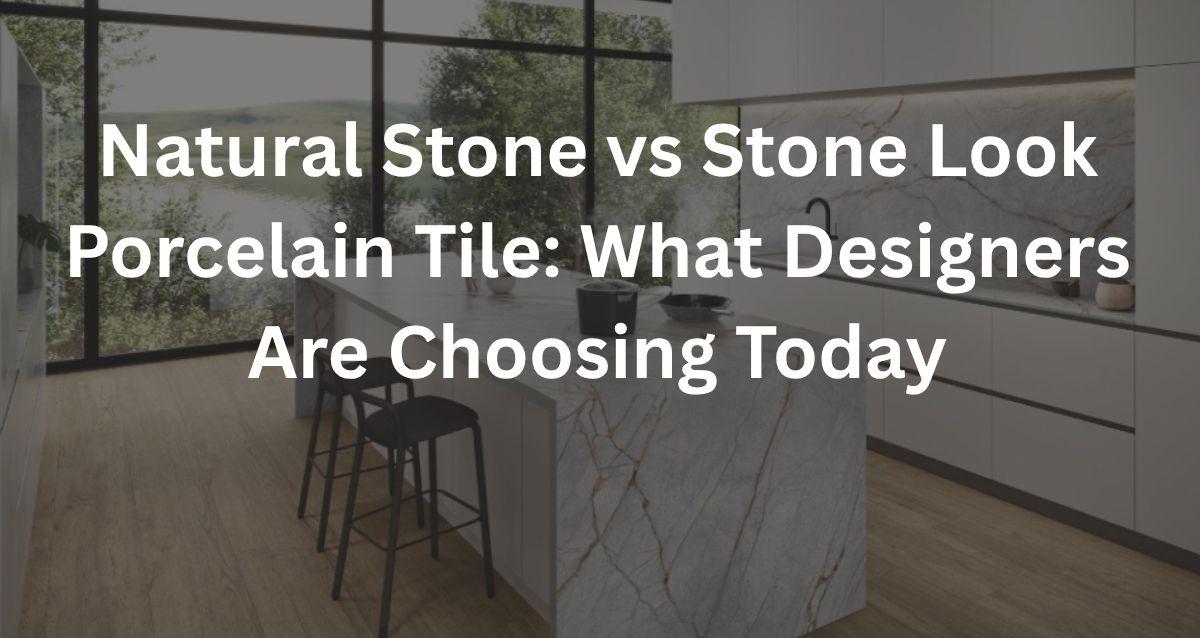
Stone look porcelain tile is a type of porcelain tile designed to replicate the look of real stone. Using advanced technology, these tiles capture the texture, patterns, and tones of natural materials like marble, slate, and travertine.
The result is a tile that looks like stone but offers the durability and practicality of porcelain.
Pros and Cons of Stone Look Porcelain Tile
Pros
- Highly durable and resistant – Porcelain tile is highly resistant to stains, moisture, and wear, making it suitable for both indoor and outdoor spaces.
- Low maintenance – Unlike natural stone, stone look porcelain tiles do not require sealing and are easier to clean.
- Consistent finish – While still offering variation, porcelain provides a more controlled and predictable look.
- Versatile formats – Available in a wide range of sizes like 24 x 24 or 24 x 48, allowing for modern layouts and seamless surfaces.
Cons
- Less organic variation – While it can closely replicate real stone, it does not have the same natural unpredictability.
- Perceived as less premium by some – Some designers still prefer genuine stone for high-end projects.
Where Stone Look Porcelain Tiles Work Best
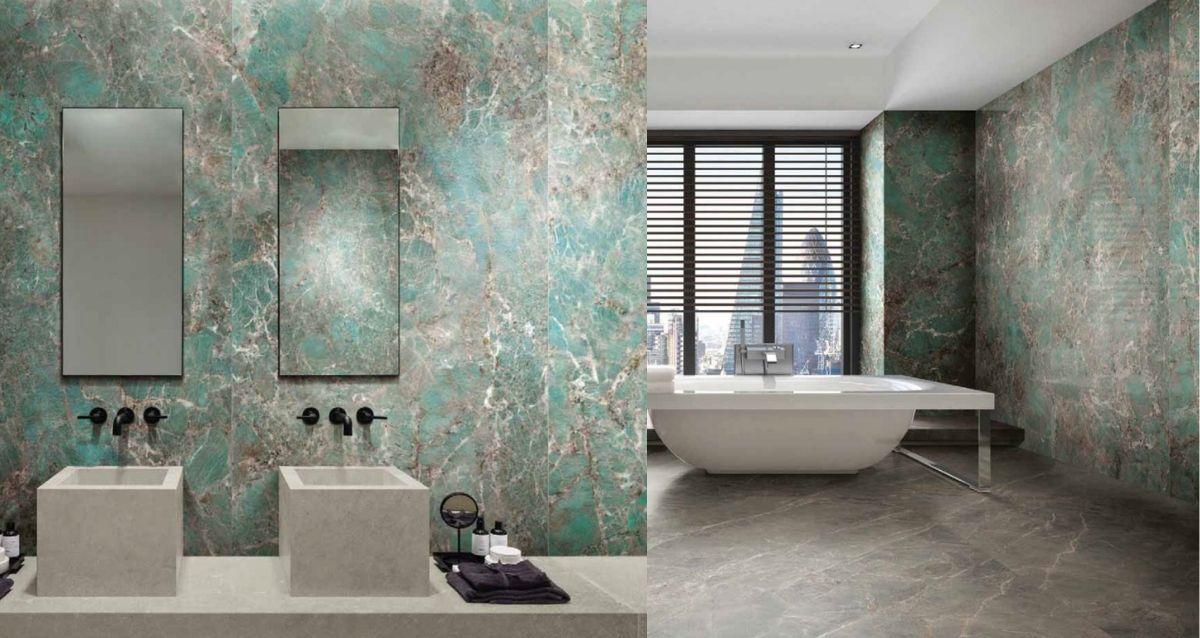
Stone look porcelain tile is incredibly versatile and works across many environments.
Best applications include:
- High-traffic floors in residential and commercial spaces
- Kitchen countertops and walls where durability matters
- Outdoor spaces exposed to the sun and moisture
- Bathrooms where resistance to stains and water is essential
It is perfect when you want the look of stone combined with practical performance.
Natural Stone vs Stone Look Porcelain Tile: A Comparison
| Feature | Natural Stone | Stone Look Porcelain Tile |
|---|---|---|
| Material | Genuine stone from nature | Porcelain tile that looks like stone |
| Appearance | Unique, natural variation | Consistent, designed to replicate stone |
| Maintenance | Requires sealing and care | Low maintenance, easy to clean |
| Durability | Durable but can be porous | Highly resistant to stains and wear |
| Cost | Higher investment | More cost-effective |
| Best For | Feature spaces, luxury designs | High traffic, indoor and outdoor use |
How to Choose the Right Fit for Your Space
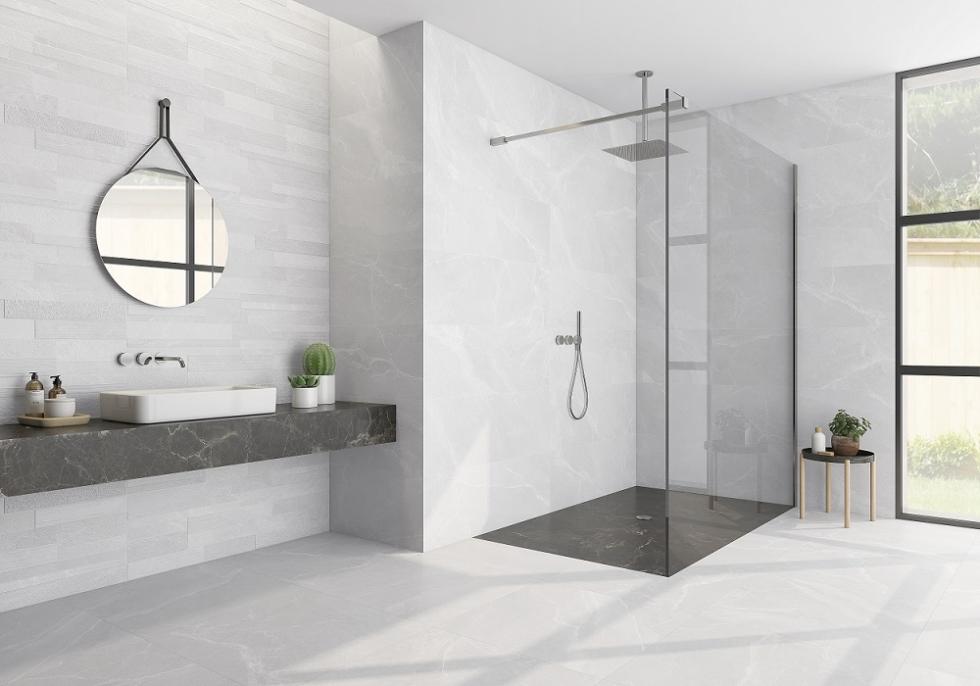
The choice between natural stone and stone look porcelain tile comes down to how you want your space to look, feel, and function.
Ask yourself:
- Do you want a one-of-a-kind, natural finish or a more controlled aesthetic?
- Will the space be exposed to moisture, stains, or heavy use?
- Are you designing for indoor or outdoor environments?
- How much maintenance are you comfortable with?
If you love the natural beauty and uniqueness of real stone, natural stone is a beautiful choice. If you want durability, ease, and versatility, stone effect porcelain tiles are often the better fit.
Why Designers Are Choosing Both
One of the biggest trends we are seeing at Cavastone is that designers are not choosing one over the other. They are combining both.
For example:
- Using natural stone for feature walls or focal areas
- Using stone look porcelain tile for floors and high-traffic surfaces
- Mixing materials to create contrast and depth
This approach allows you to balance natural beauty with performance, creating a space that is both functional and visually rich.
In Summary
Both natural stone and stone look porcelain tile offer something valuable. One brings authenticity and timeless elegance. The other brings durability, versatility, and ease. At Cavastone, we offer a carefully curated range of both natural stone and stone effect porcelain tiles, helping you find the right materials for your project. Whether you are designing a modern space, a rustic retreat, or a refined commercial environment, the right tile choice will shape the entire experience.
If you are ready to explore your options, our team is here to guide you every step of the way. Let’s create a space that feels as good as it looks. Book a consultation or visit our showroom today!
Frequently Asked Questions About Natural Stone and Stone Look Tiles
What are stone look tiles, and how do they compare to natural stone?
Stone look tiles are porcelain tiles designed to replicate the appearance of natural stone. They are inspired by materials like marble, slate, and limestone, offering similar texture and visual depth. While they may not have the exact variation of real stone, they provide a consistent finish and are available in both matte and polished finishes, making them a versatile choice for modern spaces.
Are stone effect tiles suitable for both walls and floors?
Yes, stone effect tiles are highly versatile and can be used for both wall tiles and floors. They are designed to handle different environments, from bathrooms to living areas. Many collections also include special features like slip-resistant surfaces or textured finishes, making them suitable for a wide range of applications.
Where do stone effect porcelain tiles work best in a home?
Stone effect porcelain tiles work well in almost any area of the home. They are especially popular in bathrooms, kitchens, and open-plan living spaces. Their durability and low maintenance make them ideal for high-traffic areas, while their soft, natural tones and grey variations help create a calm and balanced design throughout the space.
What finishes are available for stone look tiles?
Stone look tiles come in a variety of finishes to suit different styles. You can choose from matte, honed, or polished finishes depending on the look you want. Matte finishes create a more natural, understated feel, while polished surfaces reflect light and add a more refined touch. Some designs even include velvet-like textures for a softer, more elevated finish.
Can stone effect tiles be used to create unique designs?
Absolutely. Stone effect tiles can be used in creative ways to build your own design story. From patterned layouts to mosaics, they offer plenty of inspiration for both modern and traditional spaces. Whether you are designing a feature wall or a full room, these tiles allow you to bring together texture, tone, and art in a way that feels both intentional and unique.