Key Takeways
- In the porcelain tile vs stone tile debate, porcelain usually wins for bathrooms, kitchens, wet environments, and high traffic areas because it is dense, durable, and easy to maintain.
- Natural stone tile wins when you want unique beauty, timeless elegance, natural depth, and a surface that can develop a rich patina over decades.
- Porcelain and natural stone tiles differ significantly in their performance, upkeep, and visual characteristics, so the best flooring material depends on your project.
- Ceramic tile is another option, but it is generally less dense than porcelain and is often better suited to walls, backsplashes, and lighter-use spaces.
When choosing materials for a new build, renovation, or commercial project, one question comes up time and time again: porcelain tile vs stone tile, which performs better?
The answer depends on what matters most for your home or commercial space. Some rooms demand maximum durability and minimal care. Others prioritize natural character, color variation, and classic style. At Cavastone, we help homeowners, designers, architects, and contractors in Boca Raton find the right tile in order to match performance with design.
What Is the Difference Between Porcelain Tile and Natural Stone?
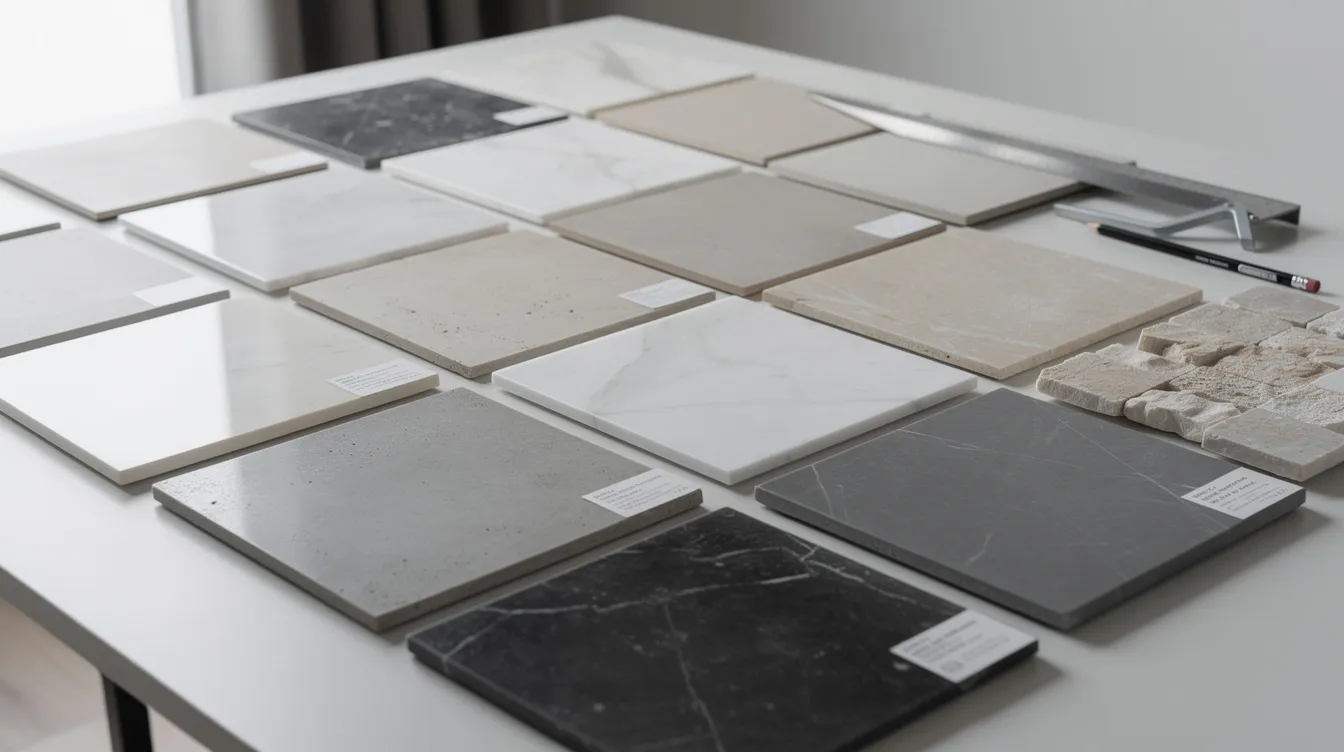
Although porcelain and natural stone can sometimes have similar looks, they are very different materials.
Porcelain tiles are manufactured from refined clay and minerals fired at extremely high temperatures. According to common tile standards, porcelain typically has very low water absorption, often under 0.5%, which helps explain its strong performance in wet areas.
Natural stone includes materials quarried from the earth, such as marble, granite, travertine, slate, and limestone. Natural stone tile is cut, finished, and installed as a natural surface for a floor, walls, patios, bathrooms, kitchens, and feature areas.
The biggest difference is simple: porcelain offers engineered consistency, while stone offers organic variation.
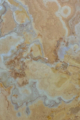
No two pieces of natural stone are exactly alike, and it develops a rich patina as it ages. Every tile of natural stone features distinct, natural veining and patterns that contribute to its unique aesthetics. Stone tiles show distinct depth and variations in color that manufactured printing cannot completely duplicate.
Porcelain Tile vs Stone Tile Durability
If durability is your priority, porcelain often has the advantage.
Porcelain tile is dense and hard, making it resistant to daily wear, moisture, impact, and many stains. Porcelain tiles are highly durable and resistant to breaks from drops, making them suitable for high-traffic areas and wet environments. Is Porcelain Stronger than Granite?
Benefits of porcelain include:
- strong scratch resistance
- low water absorption
- excellent choice for busy homes and commercial spaces
- predictable durability across large installations
- a wide selection of colors, textures, shapes, and sizes
Natural stone can also stand up beautifully over time, but the strength of natural stone varies by type; for example, granite is very hard, while marble and travertine are softer. Certain stones, such as marble and limestone, are susceptible to scratches, chipping, and etching from acidic substances.
Stone can last a lifetime if properly maintained and restored, which is why it has been used for centuries in beautiful homes, public buildings, and luxury interiors.
Water Resistance and Maintenance
Water resistance matters in bathrooms, kitchens, outdoors, and any room where spills are common.
Porcelain tiles are less porous than natural stone, making them more resistant to water and stains, and they generally do not require resealing, unlike natural stone tiles. Porcelain withstands almost any standard household cleaner, though mild products are still a smart default for grout and finish protection.
Natural stone behaves differently. Natural stone tiles, while durable, require periodic resealing to maintain their stain and water resistance, which adds to their maintenance needs compared to porcelain tiles. Stone requires specialized pH-neutral cleaners, while porcelain withstands almost any standard household cleaner.
This does not mean natural stone is difficult to own. It means you need to maintain it with the right products and schedule. If you want a surface that is clean and simple most of the time, porcelain is usually easier. If you value natural beauty and are willing to provide care, stone can reward that effort for years.
Design and Aesthetic Differences
Natural stone tiles add unique beauty and timeless elegance to any room, as each tile has its own natural variations due to being quarried from the earth.
Marble can feel refined and luxurious. Travertine often brings warm beige tones and a softer Mediterranean look. Slate can offer texture and darker colors. Granite gives a speckled, durable, classic appearance. These materials feel natural because they are natural.
Porcelain takes another path. Porcelain tiles are available in a wide variety of colors, shapes, textures, and sizes, allowing them to mimic other materials while providing aesthetic versatility. Porcelain tiles can be designed in various shapes, including hexagons, squares, and penny rounds, which can add dimension and interest to flooring.
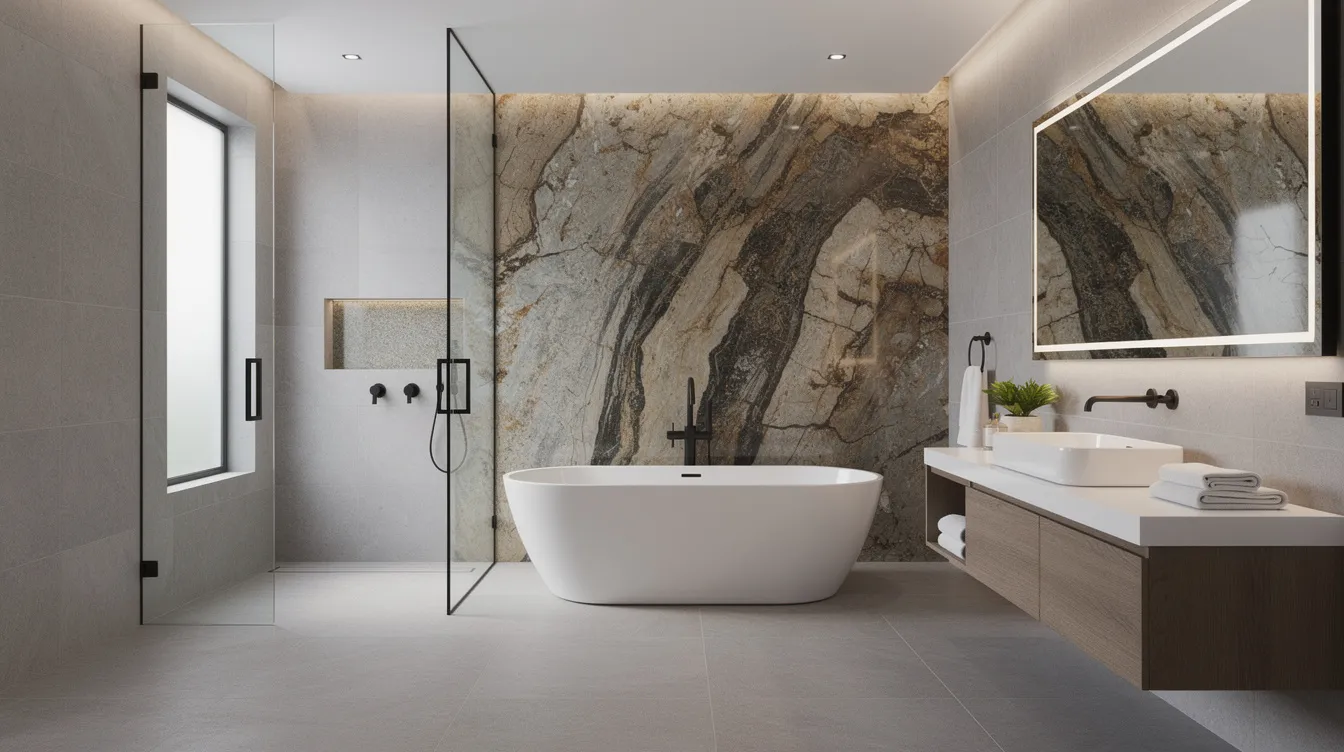
That means you can purchase porcelain that resembles marble, travertine, concrete, wood, or stone while keeping maintenance lower. For a modern project where uniformity matters, porcelain is often perfect.
Cost Comparison: Porcelain Tile vs Natural Stone
Material cost is only one part of the investment. Installation, sealing, cutting, freight, waste, and long-term maintenance all affect the real price.
Porcelain tiles generally have a higher initial cost compared to natural stone tiles due to the more complex manufacturing process involved in their production, especially when selecting premium large-format or highly realistic printed designs. At the same time, porcelain tiles are considered a cost-effective alternative to natural stone tiles, as they can mimic the appearance of stone while offering greater durability and lower maintenance requirements.
Natural stone can range widely. Some slate or travertine may be competitive, while rare marble, quartzite, or custom-cut stone can cost a lot more once installation is included.
While natural stone tiles require periodic resealing to maintain their water and stain resistance, porcelain tiles typically do not need resealing, which can lead to lower long-term maintenance costs.
Before making a purchase, check the full quote: material, setting materials, labor, sealing, grout, delivery, and maintenance.
Best Tile for High Traffic Areas
When clients ask about the best tile for high traffic areas, the practical answer is usually porcelain.
Porcelain tile flooring works well in:
- retail spaces
- office environments
- hospitality projects
- family kitchens
- mudrooms and entries
- busy bathrooms
Its density helps it resist scratches, stains, water, and wear. Natural stone flooring can also perform well in high traffic areas when the correct material is selected. Granite, quartzite, and some slate options are strong choices. Softer marble and travertine may show wear sooner, especially with polished finishes.
Porcelain vs Natural Stone for Showers and Wet Areas
For showers, spa rooms, and bathrooms, porcelain is usually the safer default. Its low porosity makes it easy to clean and less likely to absorb moisture.
Natural stone can work in wet areas, especially on shower walls, niches, and statement features, but it needs sealing, careful installation, and the right cleaner. Travertine and limestone need extra attention because pores, pits, and softer minerals can hold moisture or react to harsh products.
If you love stone but want less upkeep, use porcelain on the main shower floor and add natural stone as an accent. Visit our blog post for wet room tile ideas.
Disadvantages of Porcelain and Natural Stone Tiles
Every material has trade-offs.
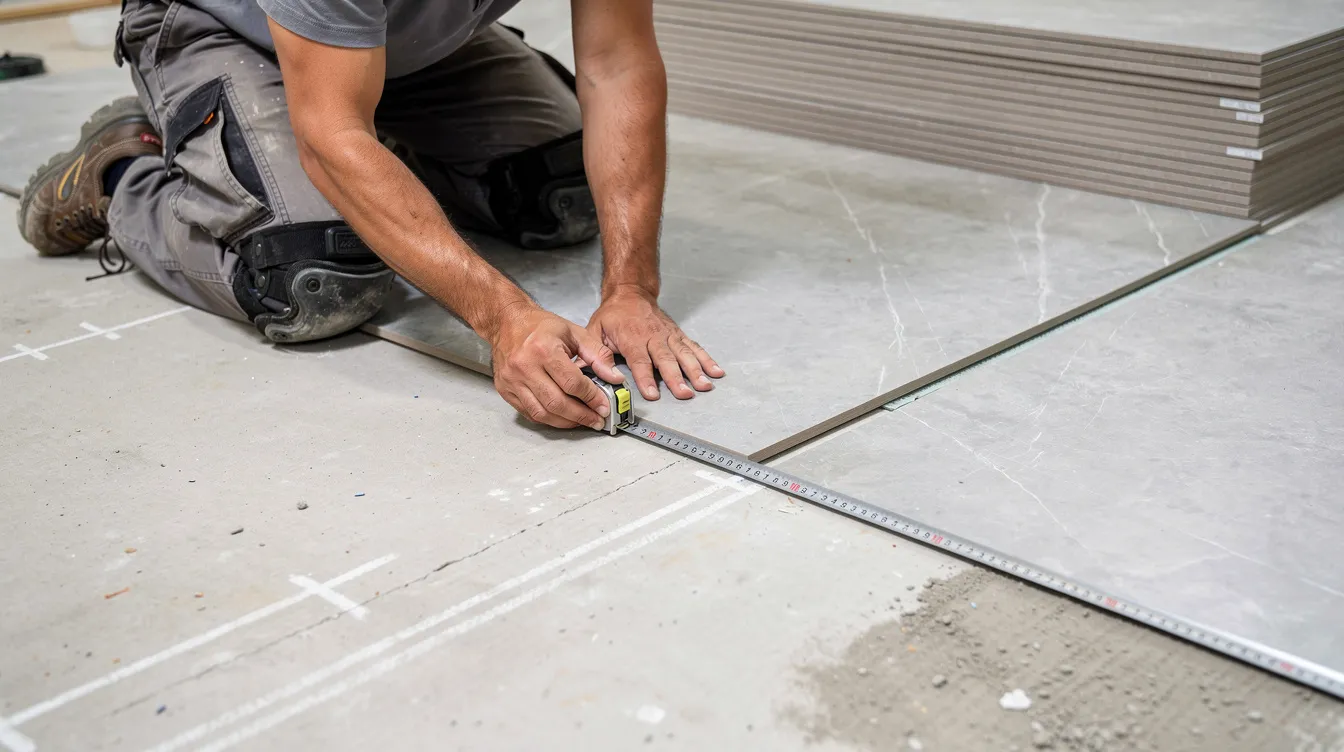
Porcelain tile is dense and hard, making it difficult to cut without chipping, which presents a significant installation challenge. Proper subfloor preparation is crucial when installing porcelain tiles to prevent cracking due to their rigidity. Drilling for fixtures in porcelain tiles requires specialized bits to avoid cracking, adding to the complexity of the installation process.
Natural stone has different challenges:
- it needs sealing
- it can stain or etch
- pieces vary in shade, thickness, and pattern
- some stones require restoration over time
The goal is not to find a flawless material. The goal is selecting the material whose trade-offs fit your project.
How to Choose Between Porcelain Tile and Natural Stone
There is no universal winner on this page.
Choose porcelain when you want low maintenance, consistent sizing, strong durability, water resistance, and a wide selection of colors and sizes. It is especially useful for busy homes, rental properties, commercial projects, bathrooms, and kitchens.
Choose natural stone when you want authentic character, natural veining, timeless style, and a surface that feels unique. Stone is ideal for feature walls, luxury baths, fireplace surrounds, foyers, outdoor living areas, and projects where beauty matters as much as performance.
You can also combine both materials. Use porcelain across a large floor, then add marble, travertine, or slate in a focal area. That approach balances practicality with natural elegance.
Explore Porcelain and Natural Stone Tiles at Cavastone
Whether you are comparing porcelain tile flooring with natural stone floor tiles for a residence, commercial build, or outdoor installation, seeing samples in person makes the decision easier.
Cavastone offers porcelain, natural stone, marble, travertine, slabs, and premium surface materials for residential and commercial applications. Bring your measurements, design photos, and questions to our Boca Raton showroom, and our team can help you choose the right materials for your space.
Frequently Asked Questions
Is porcelain tile better than stone tile for outdoors?
Porcelain can be excellent outdoors when it is rated for exterior use and has a textured, slip-resistant finish. Natural stone can also work outdoors, but climate, sealing, freeze-thaw exposure, and surface texture matter.
Can natural stone be used on walls?
Yes. Natural stone is often used on walls, fireplace surrounds, shower accents, and backsplashes. The installer should confirm the wall structure can support the stone weight.
Is porcelain the same as ceramic tile?
No. Porcelain is a type of ceramic tile, but it is denser, harder, and usually less porous than standard ceramic tile. Ceramic tile is often easier to cut and useful for decorative interior applications.
Which material is easier to repair?
Natural stone can often be refinished, honed, or restored by a professional. Porcelain is harder to refinish, so damaged pieces are usually replaced.
How long should I expect tile to last?
With proper installation, both porcelain and natural stone can last for decades. The difference is that porcelain usually needs less ongoing care, while natural stone rewards regular sealing and maintenance.