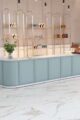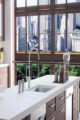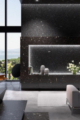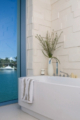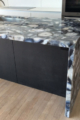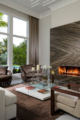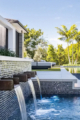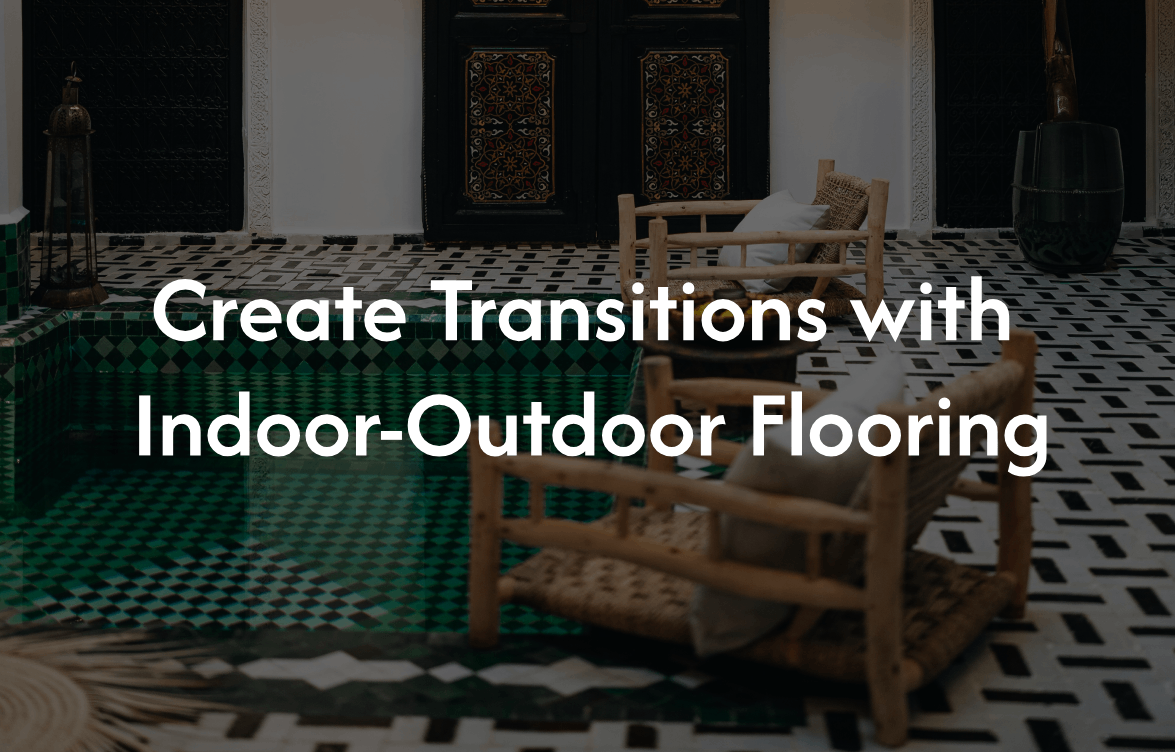
Today’s luxury homes are designed to flow from indoors to outdoors, creating open, connected spaces built for entertaining, relaxing, and everyday living. A well-planned indoor-outdoor tile transition can make a home feel larger, brighter, and more architecturally cohesive, with flooring that carries continuously from the living space to the patio, pool area, or outdoor kitchen. At Cavastone, we help homeowners, designers, and architects select premium tile and natural stone that brings that vision to life. Whether you are building from the ground up, renovating an existing residence, or specifying materials for a commercial project, the right tile selection creates a timeless, unified look across every square foot.
Key Takeaways
- Indoor-outdoor living is one of the most requested features in luxury residential and hospitality design because it allows spaces to connect and function as a whole rather than as separate areas.
- The best indoor-outdoor flooring balances beauty, durability, slip resistance, drainage, and maintenance across both environments.
- Porcelain tiles are a leading choice because they are hard-wearing, scratch-resistant, stain-resistant, and do not require sealing, waxing, or polishing, which makes them practical for both indoor and outdoor installation.
- Outdoor tile must carry a verified exterior rating; glossy and smooth finishes can create slip hazards in wet conditions.
- Professional installation matters: outdoor flooring expands and contracts more than indoor flooring, so drainage planning, base preparation, and correctly spaced expansion joints are not optional.
What Is an Indoor-Outdoor Tile Transition?
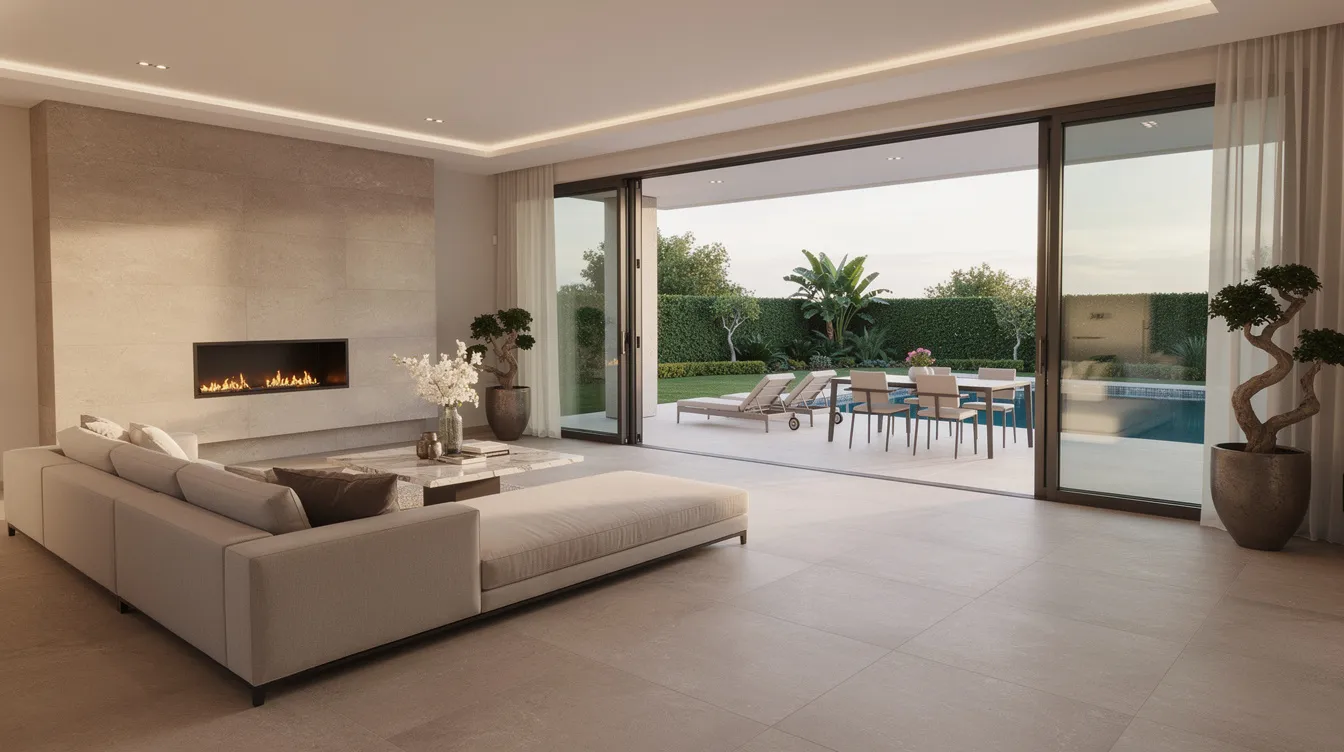
An indoor-outdoor tile transition uses flooring materials that connect interior and exterior spaces visually and physically. Rather than creating a hard boundary between a room and the outdoors, the design allows surfaces to continue from the dining room, living area, or bathroom toward terraces, pool surrounds, porches, or gardens without interruption.
This continuity can be achieved through several approaches:
- Using the same tile collection in matching indoor and outdoor finishes
- Selecting complementary collections that share a consistent color and texture palette
- Aligning grout lines across the interior-to-exterior threshold
- Maintaining consistent floor levels wherever the project allows
- Using a transition threshold profile where material thicknesses differ, particularly around door frames
The goal is not always to use identical materials in both environments. The goal is to achieve visual continuity so that one space reads as a natural extension of the next, rather than two separate design decisions placed side by side.
Why Indoor-Outdoor Transitions Are a Priority in Luxury Design
Indoor-outdoor living has become one of the most specified features in luxury residential construction and high-end hospitality projects. When executed with intention, a fluid transition between interior and exterior spaces increases a property’s perceived scale, draws natural light deeper into the home, and creates a more cohesive design story from threshold to terrace.
A well-resolved transition delivers measurable outcomes:
- Rooms read as larger because the eye follows the floor plane outward rather than stopping at a wall
- Natural light increases as glazed doors and floor continuity reinforce the connection between inside and outside
- Entertaining spaces flow more naturally, making a home function better for gatherings as well as daily use
- Property appeal improves, particularly in markets where outdoor living is a primary lifestyle driver
- The overall design registers as more considered and architecturally coherent
This is particularly relevant across South Florida, where patios, pool decks, covered terraces, and outdoor kitchens function as primary living spaces for much of the year. When the tile on the interior living room floor carries directly out to the pool surround in a coordinating outdoor-rated finish, the architecture reads as deliberate, not assembled from parts.
Choosing the Right Tile for Indoor and Outdoor Spaces
Not every tile is suited for both environments. Indoor spaces prioritize comfort, visual refinement, and design flexibility. Outdoor spaces carry additional technical requirements: weather resistance, slip resistance in wet conditions, UV stability, and the ability to handle thermal expansion across temperature cycles. Selecting a tile based solely on appearance without evaluating those performance criteria is one of the most common and costly mistakes in transitional flooring specification.
Porcelain Tile for Indoor-Outdoor Living
Porcelain remains the most frequently specified material for indoor-outdoor tile transitions, and the reasons are well-founded. Porcelain tiles are exceptionally hard-wearing, highly resistant to scratching and staining, and require no sealing, waxing, or polishing, which makes them practical and low-maintenance across both interior and exterior installations.
The performance profile of porcelain for outdoor use includes:
- Low water absorption, which allows porcelain to survive freeze-thaw cycles without cracking
- Consistent dimensional stability across a wide range of temperatures
- A wide range of surface finishes, from polished for interiors to textured anti-slip options for outdoor areas
- UV resistance that prevents color fade on exposed surfaces
- Long-term durability with minimal maintenance requirements
Per ANSI/TCNA standards for porcelain tile, porcelain is classified as impervious when its water absorption rate measures 0.5% or less. This threshold is the key benchmark when specifying porcelain for exterior installation, particularly in climates that experience seasonal temperature variation or direct weather exposure. Many collections are available in both interior and exterior finishes within the same design, allowing a project to maintain visual continuity while adapting the surface texture for outdoor safety. Explore Cavastone’s porcelain tile collection for options engineered to work across both environments.
Natural Stone for Considered Transitions
Natural stone creates a connection between architecture and the natural world that no engineered surface fully replicates. The variation, depth, and organic character of stone anchor a space in a way that reads as genuinely considered rather than simply specified.
Popular choices for indoor-outdoor transitions include travertine, marble, limestone, quartzite, bluestone, and slate. Each material brings a distinct combination of visual quality and performance:
- Travertine suits warm, Mediterranean-influenced residential and hospitality aesthetics and performs well in South Florida’s climate when properly sealed
- Limestone delivers a refined, muted palette that works beautifully in both contemporary and transitional interiors extending to covered terraces
- Quartzite provides exceptional hardness and natural variation suited to both indoor feature floors and exterior walkway applications
- Bluestone and slate carry a naturally textured surface that provides outdoor grip without requiring additional surface treatment
According to the Natural Stone Institute, natural stone used in outdoor or high-moisture environments requires appropriate sealing and ongoing maintenance to protect the surface from water penetration, staining, and freeze-thaw damage. This is not a reason to avoid stone, but it is a specification reality that should inform material selection and project planning from the outset. Explore our resource on natural stone flooring for a detailed breakdown of which materials work across different applications and climates.
Design Principles for a Cohesive Indoor-Outdoor Flow
Use Consistent Color Across Both Environments
Color consistency is one of the most effective tools for creating spatial continuity. When the interior and exterior share a palette, the eye moves naturally between spaces without registering a shift in design language.
Warm beige tones, limestone-inspired neutrals, soft earth tones, and dark gray stone looks all bridge the gap between interior architecture and the outdoor setting effectively. Warmer tones are particularly valuable in minimalist porcelain applications, where they prevent the material from reading as cold or clinical and instead position it as grounded and inviting.
Align Tile Layouts Across the Threshold
One of the most precise ways to reinforce the connection between spaces is to align the tile layout patterns and grout lines across the interior and exterior threshold. When the grid continues without interruption through a glass door onto a terrace, the spaces read as one, regardless of the material change in the outdoor finish. This requires planning during the design phase, before installation begins on either side of the transition point.
Specify Large-Format Tile for Expansive Visual Flow
Large-format porcelain tiles reduce the number of grout joints visible across a floor plane, which allows spaces to feel more expansive and architecturally unified. Many designers working on luxury residential and hospitality projects use large-format formats, commonly 24″ x 48″ or 32″ x 32″, to extend an interior room visually toward a pool terrace or garden terrace without interruption. The fewer the grout lines, the more the floor reads as a single continuous plane.
Match Style and Palette, Not Necessarily Finish
Outdoor spaces require more surface grip than interior areas, which means the finish specification will differ between inside and outside even when the collection is the same. A polished porcelain interior floor and a textured anti-slip version of the same tile on the terrace is a well-resolved pairing. The design reads as unified; the performance characteristics are each appropriate to their environment.
When selecting outdoor surface finishes, the DCOF rating guidance from the Ceramic Tile Education Foundation recommends a wet DCOF (Coefficient of Friction) value of 0.42 or higher for standard floor applications and 0.60 or higher for pool surrounds, wet areas, and surfaces regularly exposed to standing water. These values should be confirmed against the product’s technical data sheet, not the showroom display, before specification is finalized.
Common Challenges in Indoor-Outdoor Tile Transitions
Slip Resistance in Wet and Outdoor Areas
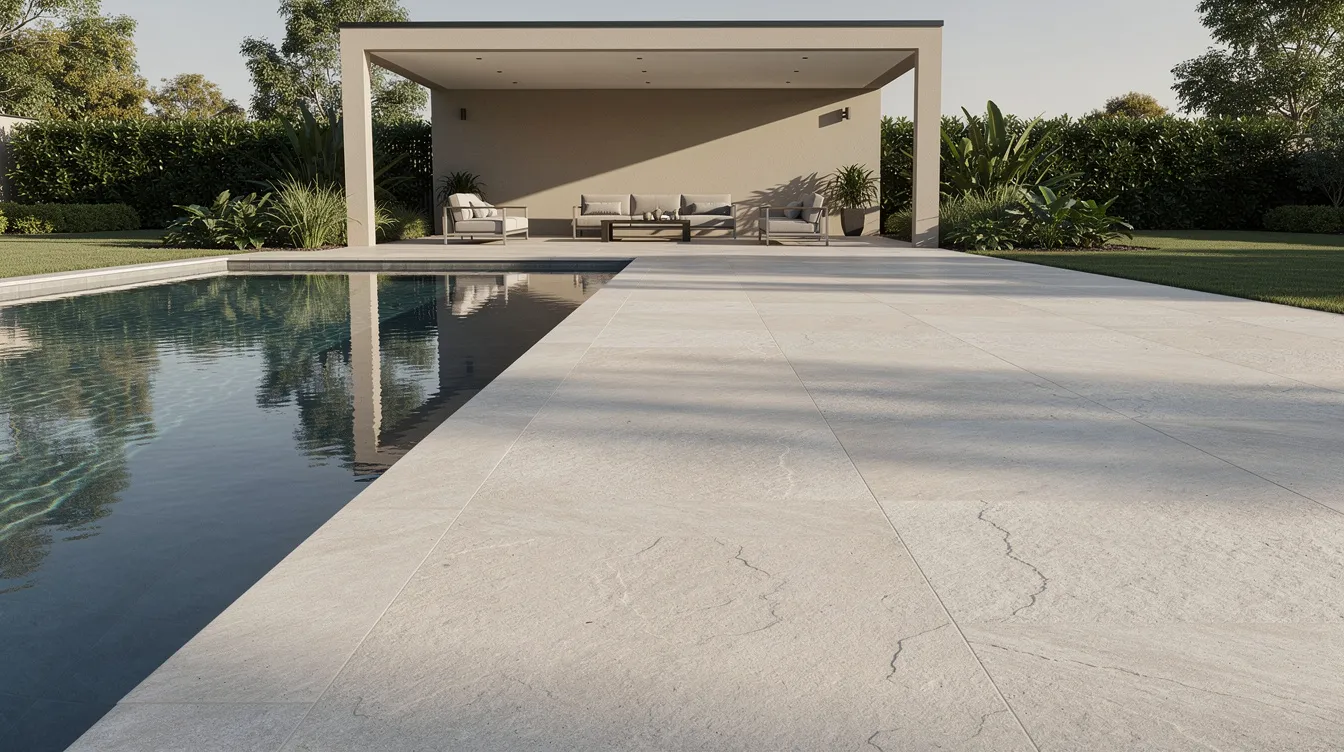
Outdoor outdoor floor tiles require measurably more surface grip than interior flooring, particularly around pools, patios, pool surrounds, and entertainment areas exposed to water. A polished finish that performs beautifully on an interior lobby floor can become a genuine safety hazard the moment it is wet. The finish specification for exterior surfaces must be driven by DCOF performance data, not visual preference.
Sun Exposure and Thermal Performance
Direct sunlight affects materials differently. Synthetic and composite surfaces can warp, fade, or become uncomfortably hot under prolonged sun exposure. Porcelain and natural stone are substantially more resistant to UV degradation and thermal variation, though dark-toned surfaces can still become uncomfortable underfoot in barefoot areas such as pool surrounds during peak summer hours. Lighter-toned tile or materials with lower thermal absorption are worth considering for any uncovered outdoor surface in a warm climate.
Drainage and Base Preparation
For outdoor installations, the surface must be stable, correctly sloped, and designed to allow water to drain away from the structure. When installing 20mm porcelain pavers outdoors, a fully cured concrete bed or a compacted base with appropriate adhesive systems is the correct foundation. Inadequate drainage or an improperly prepared base is one of the primary causes of outdoor tile failure over time.
Floor Height and Expansion Joints
Creating a flush transition between interior and exterior surfaces requires early planning during the design phase. Outdoor flooring expands and contracts significantly more than interior flooring across temperature cycles, which means expansion joints must be spaced more closely outdoors than they would be inside. These considerations are best addressed before installation begins, not discovered after the first season of exposure.
Best Applications for Indoor-Outdoor Tile Transitions
Indoor-outdoor tile transitions work particularly well across these project types:
- Living rooms and great rooms opening onto covered or uncovered terraces
- Dining rooms with large sliding or pivot glass doors leading to outdoor dining areas
- Covered porches and loggias that serve as intermediate spaces between inside and outside
- Outdoor kitchens and entertainment areas where the interior kitchen finishes carry through
- Pool surrounds and spa areas where outdoor pavers provide both safety and visual continuity with interior surfaces
- Hospitality tile applications including hotel lobbies, resort pool decks, and restaurant terraces where indoor-outdoor flow is both a design and operational requirement
- Luxury residential developments where walkways and selected driveways use load-rated tile or paver products as part of the broader site language
The larger the opening between interior and exterior, the greater the design impact of a considered transition. A 20-foot sliding door panel with aligned tile running from the interior through to the terrace is one of the most powerful tools available to a residential or hospitality designer working in a warm climate.
Creating a Luxury Indoor-Outdoor Experience
The most successful indoor-outdoor transitions in luxury residential and commercial projects share a consistent set of characteristics. They are planned early, specified with performance as well as aesthetics in mind, and they treat the threshold between inside and outside as a design opportunity rather than a technical problem to solve at the end of the project.
The materials that perform best in these contexts include porcelain in coordinated indoor and outdoor finishes, natural stone sealed for climate and moisture conditions, and high-end flooring options that combine visual refinement with documented performance credentials. With the right guidance and the right product selection, a transitional flooring specification can define the character of a project as much as any other surface decision.
Indoor-Outdoor Tile at Cavastone
Cavastone has been specifying premium tile and natural stone for South Florida’s architectural and design community since 2006. Our story is built on sourcing materials that perform as well as they look, and on working directly with architects, designers, contractors, and homeowners to find the right solution for every project.
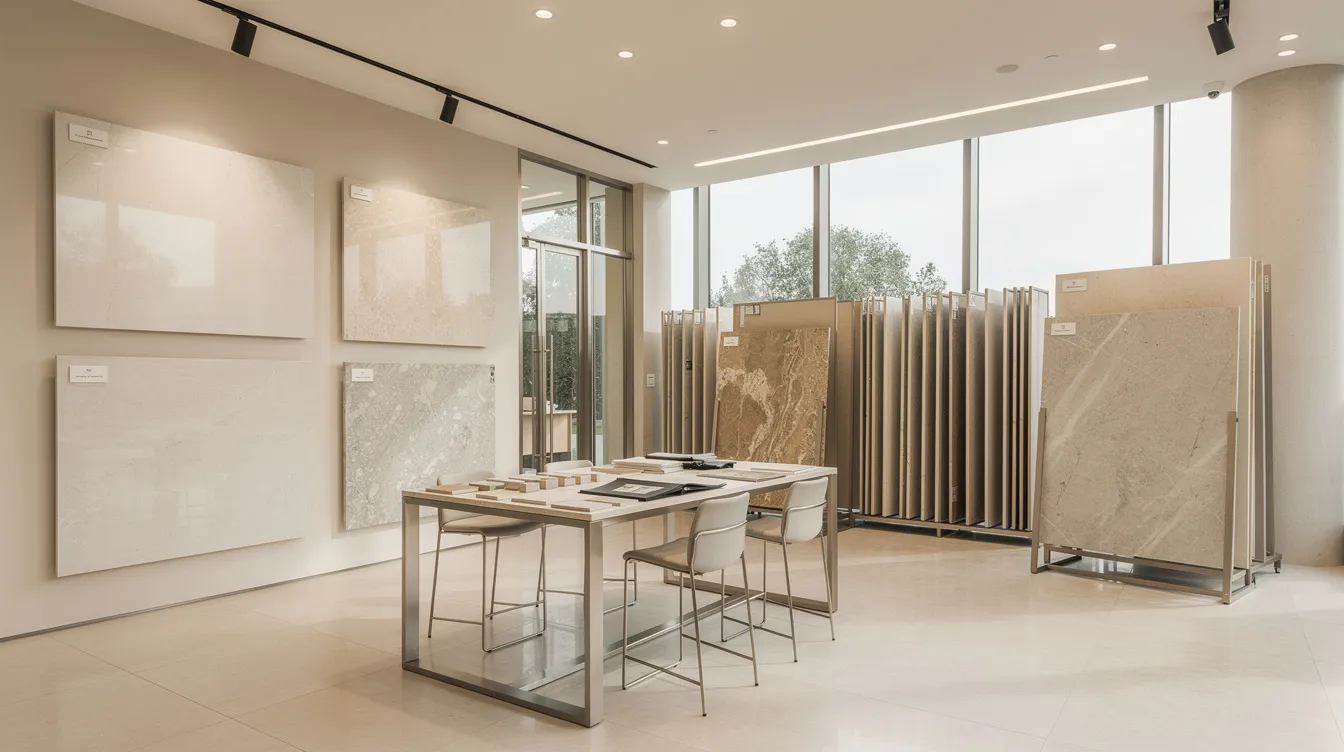
Whether you are renovating a residential terrace, specifying outdoor flooring for a luxury villa, or sourcing materials for a hospitality pool deck, our team has the material knowledge and product inventory to support the specification. Visit our Boca Raton showroom to compare indoor and outdoor collections in person, or contact our team for expert guidance and project-matched recommendations.
Related Reading
- The design directions shaping indoor-outdoor tile choices this year: 2026 Tile Trends.
- A full comparison of premium flooring materials for luxury residential and commercial projects: Best High-End Flooring Options.
- How to use layout and pattern direction to strengthen the connection between spaces: Tile Layout Patterns That Bring Spaces to Life.
- Why textured tile surfaces are increasingly central to both interior and exterior design specifications: Why Designers Are Falling in Love with Textile Tiles.
- Grout alignment is a key part of a successful transition: Best Color Grout for Tile.
Frequently Asked Questions About Indoor-Outdoor Tile Transitions
Can you use the same tile indoors and outdoors?
Yes, if the tile carries a rating for both applications. Many porcelain collections are produced in matching indoor and outdoor finishes within the same design family, allowing a project to maintain visual continuity while using the appropriate surface texture in each environment. The outdoor version of the collection will typically carry a higher DCOF rating and a textured or anti-slip finish that the interior version does not require.
What is the best tile for indoor-outdoor transitions?
Porcelain is the most practical specification for the majority of indoor-outdoor projects because it is durable, dimensionally stable, UV-resistant, and available across a wide range of styles, formats, and surface finishes. Natural stone is the stronger choice when the design calls for authentic texture, material depth, and a timeless aesthetic that connects a space to nature. For a detailed comparison of how designers are approaching this decision, our guide on natural stone vs. stone-look porcelain covers the trade-offs by application type.
Do indoor and outdoor tiles need to match exactly?
No. Coordinating color, scale, texture, and tile pattern across both surfaces is sufficient to create a cohesive design reading. In many projects, the indoor and outdoor materials are from the same design family but are different in surface finish: a polished or matte interior tile paired with a textured, anti-slip version of the same format on the exterior. The alignment of grout lines, color palette, and format scale does more to create visual continuity than using identical materials in both environments.
What finish should outdoor tiles have?
Outdoor tiles should carry a textured or anti-slip surface finish with a wet DCOF rating of 0.42 or higher for standard outdoor floors, and 0.60 or higher for pool surrounds and areas with regular standing water exposure. Glossy and polished finishes are appropriate for interior vertical surfaces, but they are not recommended for any exterior floor application where safety in wet conditions is a specification requirement.
Can indoor-outdoor tile transitions increase home value?
A well-resolved indoor-outdoor transition improves the day-to-day functionality of a home, expands the usable living and entertaining space, and contributes to the overall quality of the architectural experience. In luxury residential markets across South Florida, indoor-outdoor design is a proven value driver because it addresses both lifestyle expectations and aesthetic standards that buyers in this segment actively look for. The return is not only financial; it is also experiential, which is the more durable value in a premium property.