Key Takeaways
- Indoor and outdoor tiles differ fundamentally in durability, safety, and weather resistance.
- Outdoor tiles are engineered to handle harsh conditions including UV rays, temperature swings, rain, and heavy wear.
- Select impervious porcelain tile for all outdoor installations with an absorption rate under 0.5%.
- For outdoor walkways, pool decks, and patios, tiles should have a Dynamic Coefficient of Friction (DCOF) rating of 0.42 or higher; choose a DCOF of 0.60 or higher for outdoor patios, decks, and pool surrounds.
- The best tile depends on climate, light exposure, foot traffic, cost considerations, and whether you want low maintenance or a more natural finish.
Choosing the right tile goes beyond color, size, and style. If you are comparing indoor vs outdoor tiles, the real question is how each surface will perform in daily life: under wet shoes, direct sunlight, freezing temperatures, fire pits, water features, pools, and heavy use.
What’s the Difference Between Indoor and Outdoor Tiles?
The biggest difference is performance. Indoor tiles focus heavily on aesthetics, comfort, and ease of cleaning since they are protected from extreme weather. Outdoor tiles are engineered to withstand the elements, featuring a highly textured or abrasive surface for slip resistance, which is crucial for safety in wet conditions.
Indoor tile is usually smoother, often 8-10mm in thickness, and designed for the controlled indoor environment of a house. Outdoor pavers are often 20mm or thicker, extremely durable, and built for outdoor flooring, outdoor spaces, and outdoor areas exposed to weather conditions.
Outdoor tiles typically have a water absorption rate below 0.5% to prevent frost cracking. That low water absorption rate matters because indoor tiles can absorb moisture, leading to cracking when exposed to freeze-thaw cycles outdoors.
Can Indoor Tiles Be Used Outdoors?
In most cases, no. Indoor tiles generally lack heavy friction, making them hazardous when wet. A glossy ceramic surface that looks beautiful in a bathroom or on walls may become slippery on a concrete patio after rain.
Indoor tiles can also suffer water damage, fading from direct sunlight, and cracking during winter freeze thaw cycles. Ceramic tiles are less dense and more porous than outdoor tiles, making them prone to cracking in freezing weather, and are generally recommended only for covered outdoor areas.
There are exceptions. Many ceramic tile styles are moisture-resistant, allowing them to withstand freeze-thaw cycles, making them suitable for various climates in transitional spaces. Still, the tile must be labeled for outdoors, installed correctly, and protected with proper drainage.
Key Features of Outdoor Tiles
Slip Resistance
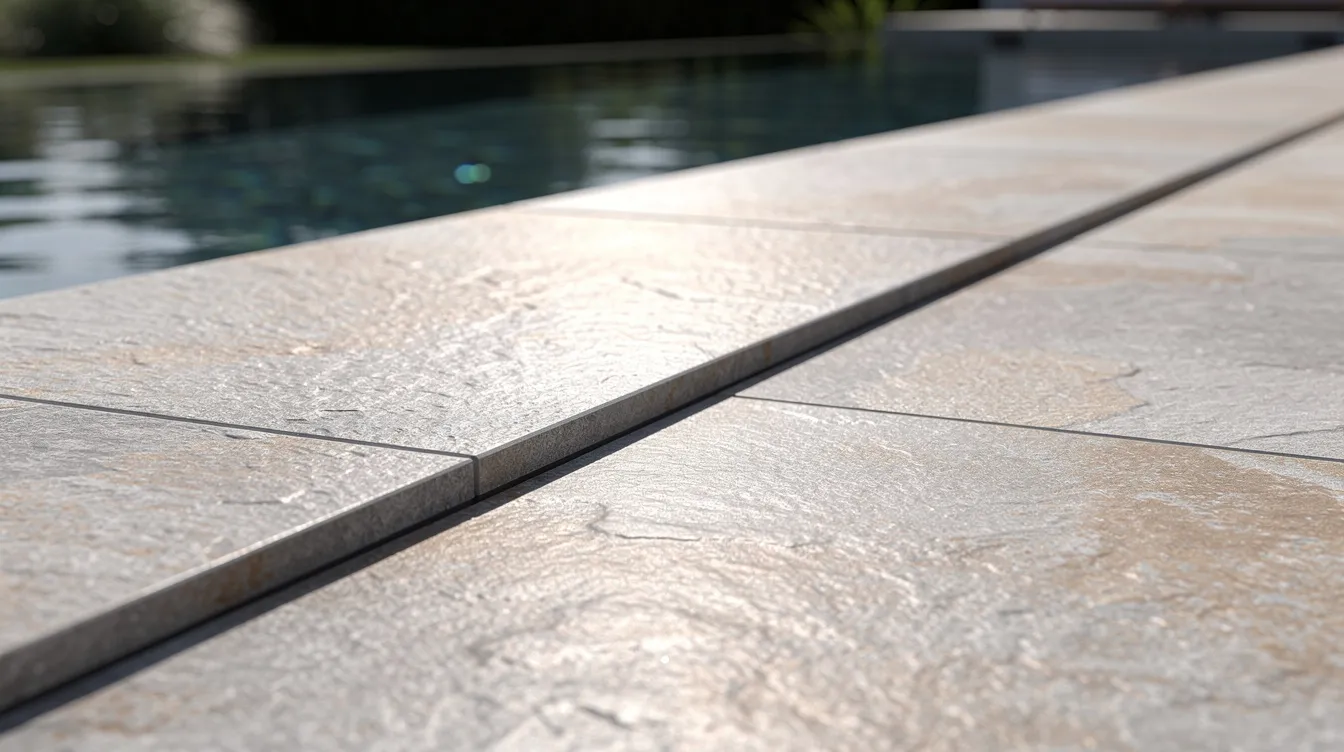
Slip resistance is the first safety check. Outdoor floor tiles are engineered with a highly textured or abrasive surface to create a slip-resistant finish, which is crucial for providing traction in wet conditions.
For standard indoor wet areas like bathrooms, choose a Dynamic Coefficient of Friction (DCOF) of 0.42 or higher. For outdoor tiles, a DCOF rating of 0.42 or higher is the minimum recommended to ensure slip resistance, especially in wet conditions. Outdoor tiles typically require an R-rating of R11 or higher for safety.
Check the DCOF rating on the product sheet, not just the showroom label. The Tile Council of North America explains why wet traction testing matters for any outdoor or commercial tile specification.
Water Resistance
A good outdoor tile must be water resistant. Porcelain tile for outdoor use is extremely dense, strong, and virtually non-porous, making it the top choice for outdoor tiles due to its frost-proof and fade-resistant properties, as well as its low maintenance requirements. Porcelain tiles are considered the best choice for outdoor use due to their density, strength, and low porosity.
Weather Durability
Outdoor tiles must withstand heat, rain, UV exposure, freeze-thaw cycles, temperature changes, and heavy foot traffic. In freezing climates, temperatures can push water inside pores, expand it, and break the tile. In hot climates, dark surfaces may become uncomfortable under bare feet, while lighter colors stay cooler.
Key Features of Indoor Tiles
Indoor spaces give you more design choices. You can use polished porcelain, decorative ceramic, natural stone, quarry tile, mosaics, or wall tile for kitchens, bathroom walls, laundry rooms, and feature walls.
Ceramic tile offers a wide variety of styles, allowing for coordinated designs that can transition between indoor and outdoor areas. Ceramic tile is highly durable, offering resistance to water, flame, stains, scratches, scuffs, and dents, making it suitable for high-traffic transitional spaces.
Ceramic tile is low-maintenance, requiring only sweeping and wiping with clean water, which is ideal for areas with muddy or wet foot traffic. Ceramic tiles also provide slip-resistant options, making them practical
Best Tile Materials for Indoor vs. Outdoor Use
Porcelain Tiles
Porcelain is the workhorse for flooring. It suits kitchens, hallways, patios, pool decks, and covered outdoor areas when the surface has enough grip. Porcelain tile resists stains, fading, and moisture better than most ceramic. It can also create a warm look through wood-look or stone-look finishes while staying practical.
Natural Stone
Natural stone tiles bring visual interest and a depth that engineered surfaces rarely replicate. Granite and slate are strong choices for outdoor use. Travertine can work beautifully in a mild climate but often needs sealing to prevent staining. Softer stone is generally better suited to indoor applications unless the climate and maintenance plan specifically support outdoor use.
Textured Tiles
Textured patio tile works well around pools, outdoor kitchens, and water features. Ceramic tile is low-maintenance and practical for outdoor use in covered areas, but it is less dense and more porous than porcelain, making it prone to cracking in freezing weather.
Indoor vs Outdoor Tiles: Side-by-Side Comparison
| Feature | Indoor Tiles | Outdoor Tiles |
|---|---|---|
| Surface | Smooth, glossy, matte | Textured, abrasive, slip-resistant |
| Thickness | Usually 8-10mm | Often 20mm or thicker |
| Water absorption | Varies by ceramic or porcelain | Usually below 0.5% |
| Best use | bathroom, kitchens, walls | patio, walkways, pool decks |
| Climate resistance | Limited | Built for elements and weather conditions |
Common Mistakes When Choosing Tiles
Using Indoor Tiles Outside
This can lead to cracking, fading, slips, and replacement costs.
Ignoring Slip Resistance
A tile can look safe and still fail when wet. For patios and pool decks, prioritize grip before appearance.
Choosing Appearance Over Performance
Dark gray may look sleek, but lighter colors are often smarter for hot climates.
Forgetting About Climate
Freezing climates need frost-rated porcelain. A mild climate may allow more stone choices, but proper installation still matters.
How to Choose the Right Tile for Your Space
Start with the space. A bathroom needs a safe wet surface. An outdoor patio needs texture, drainage, and resistance to heat. A concrete patio over an existing concrete slab may need crack isolation before tile is installed.
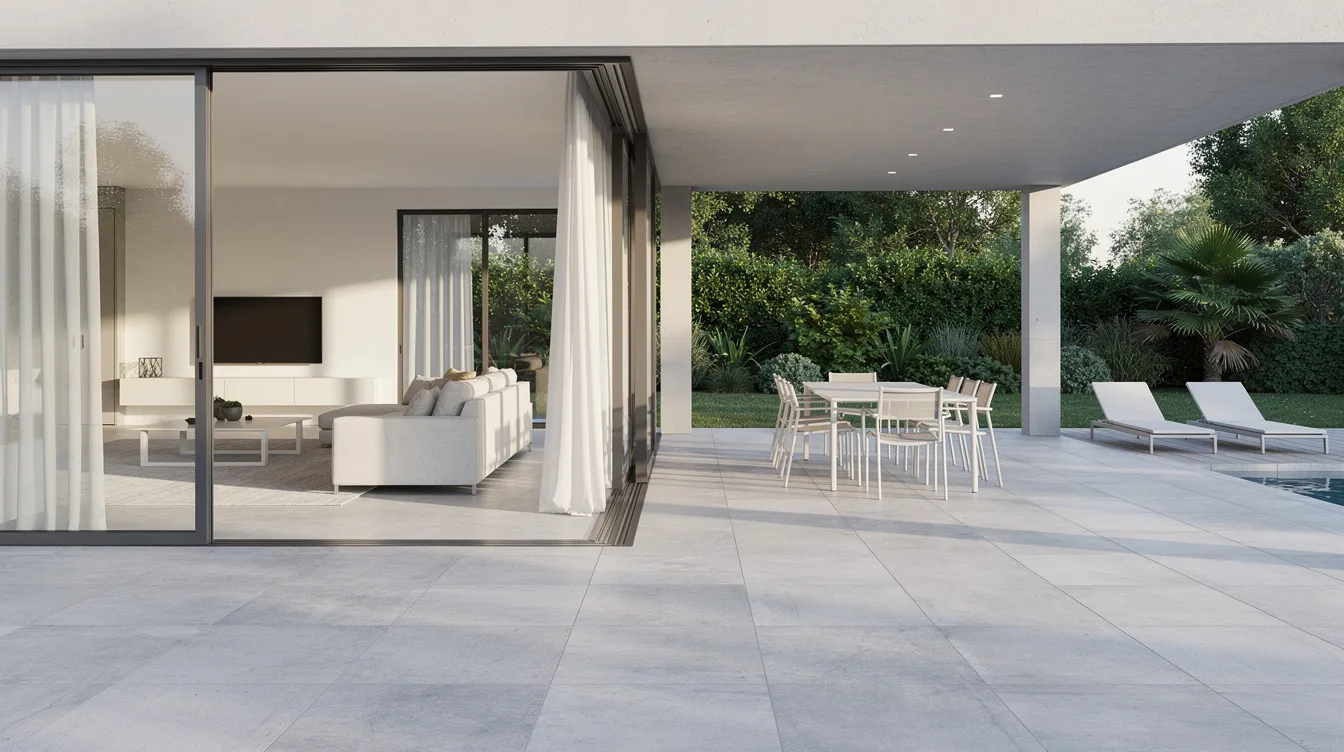
Indoor-outdoor tiles are designed to blur the boundaries between inside and outside, creating a natural flow in your home. Using the same tile collection for both indoor and outdoor spaces enhances the cohesive look and feel of your home, making it appear larger and more connected.
Indoor-outdoor tiles are designed to blur the boundaries between indoor and outdoor spaces, crafted from strong materials like porcelain and natural stone to handle weather and foot traffic.
If you request samples, save the request id so your installer can confirm the exact finish, batch, and outdoor rating.
Bringing It All Together
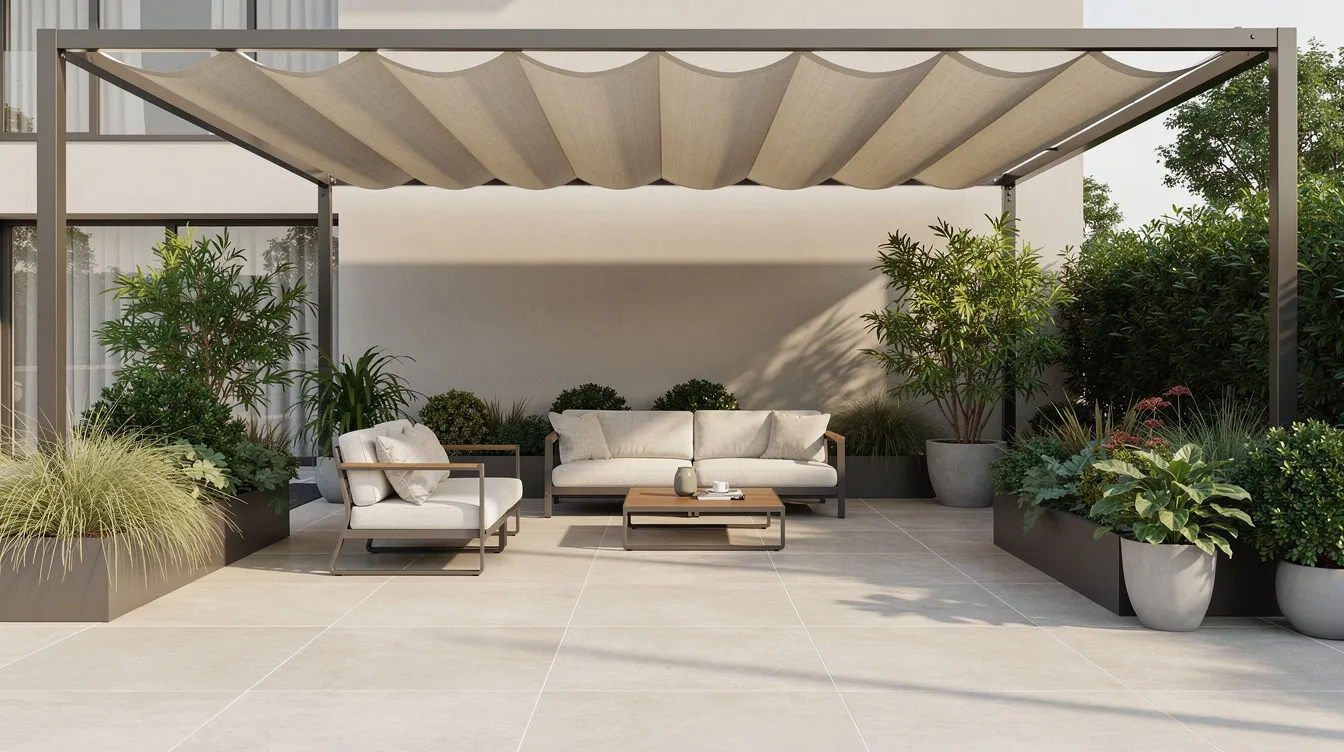
The best tile choice is not always the most obvious one. It is the tile that fits the surface, climate, design intent, and the level of maintenance that is actually realistic for the space. At Cavastone, our story has always been about helping architects, designers, contractors, and homeowners make decisions they can stand behind for the long term.
Choose outdoor tile for outdoor flooring. Choose indoor tile for protected rooms. Choose a coordinated indoor-outdoor collection when you want to create a connected space that performs under real conditions. If you are working through a project and need guidance on materials, finishes, or specifications, contact our team at the Boca Raton showroom and we will point you in the right direction.
Related Reading
These resources will help you go deeper on the topics covered above:
- Practical guidance on tile selection for indoor floors across every room type, from kitchens to living areas: Best Floor Tile Ideas.
- How designers are weighing natural stone against engineered stone-look alternatives in 2026: Natural Stone vs. Stone-Look Porcelain.
- The design directions shaping residential and commercial tile projects this year: 2026 Tile Trends.
- Browse Cavastone’s outdoor-rated paver collection for South Florida patios, pool decks, and walkways: Porcelain Pavers.
- A broader look at premium flooring materials for luxury residential and commercial projects: Best High-End Flooring Options.
Frequently Asked Questions
What is the best tile for an outdoor patio?
Textured porcelain is usually the best tile for a low-maintenance outdoor patio because it has low absorption, strong durability, and good slip resistance. Look for a DCOF rating of 0.42 or higher, and 0.60 or higher for pool surrounds. A frost-rated porcelain paver in 20mm thickness handles South Florida’s heat, UV exposure, and occasional temperature swings without cracking or fading.
Can I install tile over concrete?
Yes, if the concrete is stable, clean, properly sloped, and free from major movement or cracking. Proper drainage and a correct installation system are essential. For more detail on working with existing hard surfaces, our guide on installing tile over tile covers the key structural and preparation considerations before you start.
Are natural stone tiles good outdoors?
Yes, but material selection matters. Natural stone flooring performs well outdoors when the right stone is chosen for the climate and application. Granite and slate are dense and durable for exposed outdoor use. Travertine and softer limestones can work in mild climates but need sealing and more consistent maintenance to hold up over time.
Is ceramic tile ever suitable outdoors?
Some ceramic products can work on covered patios or protected transitional areas, but only if they are rated for exterior use and appropriate for the local climate. In South Florida, even covered areas experience humidity and occasional rain exposure, so always verify the product’s absorption rating and slip resistance before specifying ceramic in any outdoor-adjacent location.
Should indoor and outdoor tiles match?
They can, and for many luxury residential and hospitality projects, visual continuity between inside and outside is part of the design brief. A matching porcelain collection allows the same colorway and format to run from an interior floor to an outdoor terrace, using a textured outdoor-rated version outside and a polished or matte indoor version inside. The result is a connected, architecturally cohesive space.