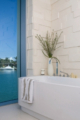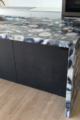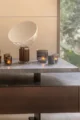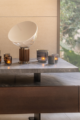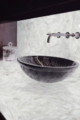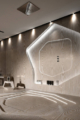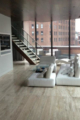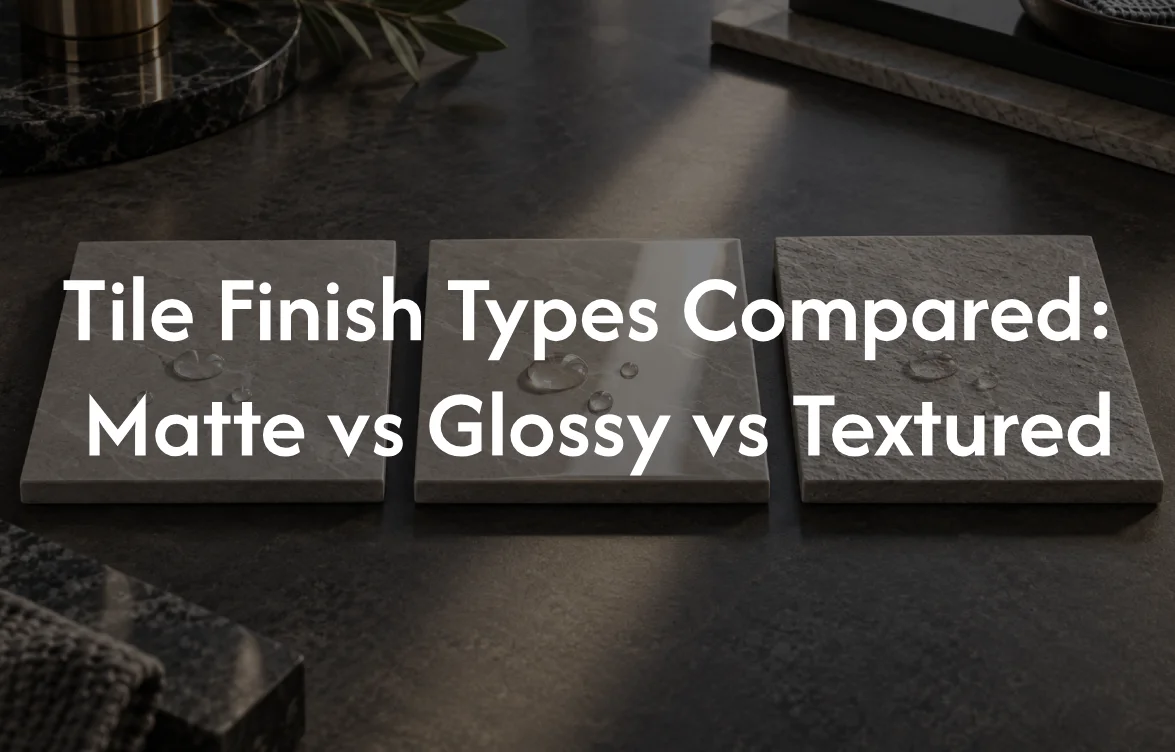
Put matte on floors, in bathrooms, and anywhere the family walks. It grips better wet and hides marks. Save glossy for walls, backsplashes, and feature surfaces, where reflected light does real work. Use textured on shower floors, pool decks, and patios, where grip outranks everything else.
Finish changes four things at once. How much light the surface returns. How well it holds underfoot. How often you clean it. How the color reads. Get those four right for the room and the style choice gets much easier.
Want to see the finishes side by side before you decide?
Tile finish types matter more than color. The same porcelain tile acts like a different product depending on how its face gets treated. One version brightens a dim room. Another keeps a wet floor safe underfoot.
We have picked finishes for South Florida homes, hotels, and commercial interiors since 2006. This guide covers what each finish does and where it belongs. It also covers the mistakes that cost a client a whole floor.
What You Should Know Before You Start
Does The Surface Get Wet?
- Water, soap residue, and wet feet change which finishes stay safe underfoot.
- Matte and textured surfaces keep grip in wet conditions that leave a shiny tile treacherous.
- Bathroom floors, shower floors, entryways, and pool surrounds all count as wet areas.
- Walls carry no slip risk at all, which frees you to use whatever reads best.
How Much Light Does The Room Get?
- Glossy and polished finishes bounce light around and make compact rooms read larger.
- Matte tiles absorb light, so a dark matte floor in a windowless room feels more enclosed.
- North-facing rooms and interior bathrooms benefit most from a reflective surface on the walls.
- Rooms with strong daylight can carry a matte floor without losing any brightness.
Who Cleans It, And How Often?
- Glossy surfaces wipe clean in seconds but show every water spot, smudge, and fingerprint.
- Matte surfaces hide dirt and scuffs well, though ground-in grime wants an occasional scrub.
- Textured surfaces trap sand and soap residue in the surface relief and prefer a brush.
- Commercial cleaning schedules favor finishes that survive repeated machine cleaning.
Residential Or Commercial Use?
- Residential projects can weight comfort and style more heavily, within reason.
- Commercial projects need documented ratings, not general guidance about a finish category.
- Hospitality and healthcare floors face volume traffic plus aggressive cleaning routines.
- Any public wet area needs a product the manufacturer has classified for that use.
- What Tile Finish Types Actually Change
- Matte Tile: Where Matte Finishes Work Best
- Glossy And Polished Tile: Where Shine Earns Its Place
- Textured Tile: Where Grip Comes First
- Satin, Honed, Lappato, And Tumbled Finishes
- Matte vs Glossy vs Textured: Side By Side
- Choosing A Tile Finish Room By Room
- Commercial And Residential Finish Selection
- Why South Florida Designers Work With Cavastone
- FAQ: Common Tile Finish Questions
What Tile Finish Types Actually Change
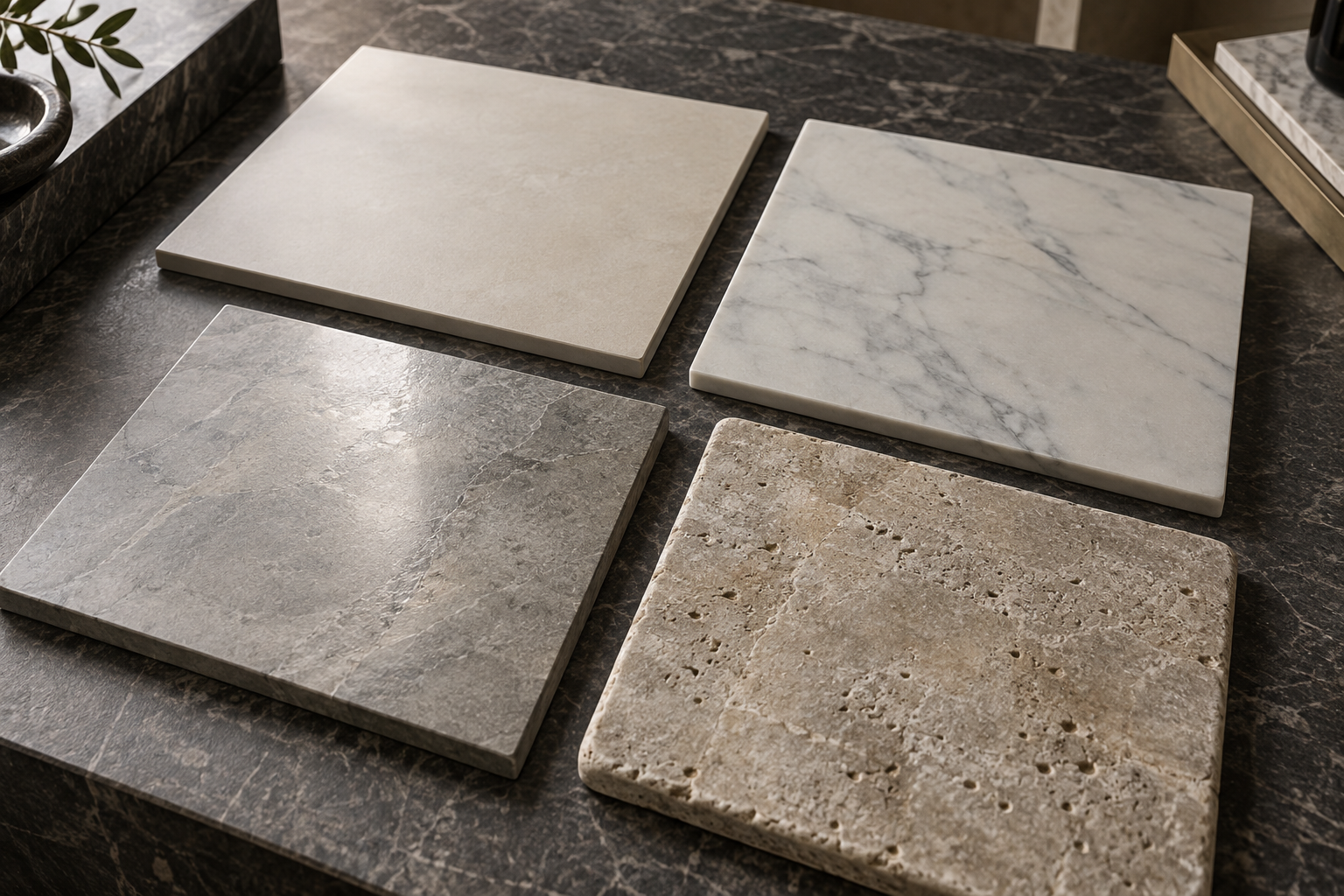
Finish describes how the face of a tile gets treated after forming. The body underneath stays the same. The surface decides how the tile performs.
Four things move together every time you change finish:
- Light. A high shine surface reflects it. A matte surface soaks it up. A textured surface breaks it into small shadows that read as depth.
- Grip. Fine roughness gives a shoe sole or a bare foot something to hold. Polishing removes exactly that roughness.
- Cleaning. Smooth faces let dirt go easily and show every smudge. Broken surfaces hide marks but hold fine grit.
- Color. Polishing deepens it and sharpens pattern. Matte softens both and reads quieter.
Finish and material decide different things. Material sets water absorption, frost resistance, and how the tile ages. Finish sets shine, grip, and cleaning. A polished porcelain and a matte porcelain from the same series share a body, yet they behave very differently underfoot.
Matte Tile: Where Matte Finishes Work Best
Matte tile earns its place on floors. The non reflective surface soaks up light rather than throwing it back. The same fine roughness that removes the shine gives real traction.
That combination suits the rooms people actually use:
- Kitchen floors, where spills land constantly and durability counts as much as looks.
- Bathroom floors and laundry rooms, where safe footing stops being a style question.
- Hallways, entryways, and mudrooms taking daily traffic from a whole household.
- Office lobbies, restaurant floors, and healthcare corridors under volume foot traffic.
- Living rooms in family homes, where scuffs and footprints arrive whatever you specify.
Matte hides dirt and marks better than any shiny tile, which shows in a busy house. The trade sits in the grain. A deeply matte surface wants a scrub now and then to lift grime the mop leaves behind.
For a kitchen, matte porcelain gives low upkeep, water resistance, and everyday toughness in one product. Porcelain soaks up very little water. It also resists staining in ways few materials match at the same price.
💡 Matte does not mean flat or dull. A warm matte in a mid tone reads as understated elegance, and it hides far more than a pale one. Pair it with a grout color half a shade darker than the tile. The floor then stays looking clean between cleans.
Glossy And Polished Tile: Where Shine Earns Its Place
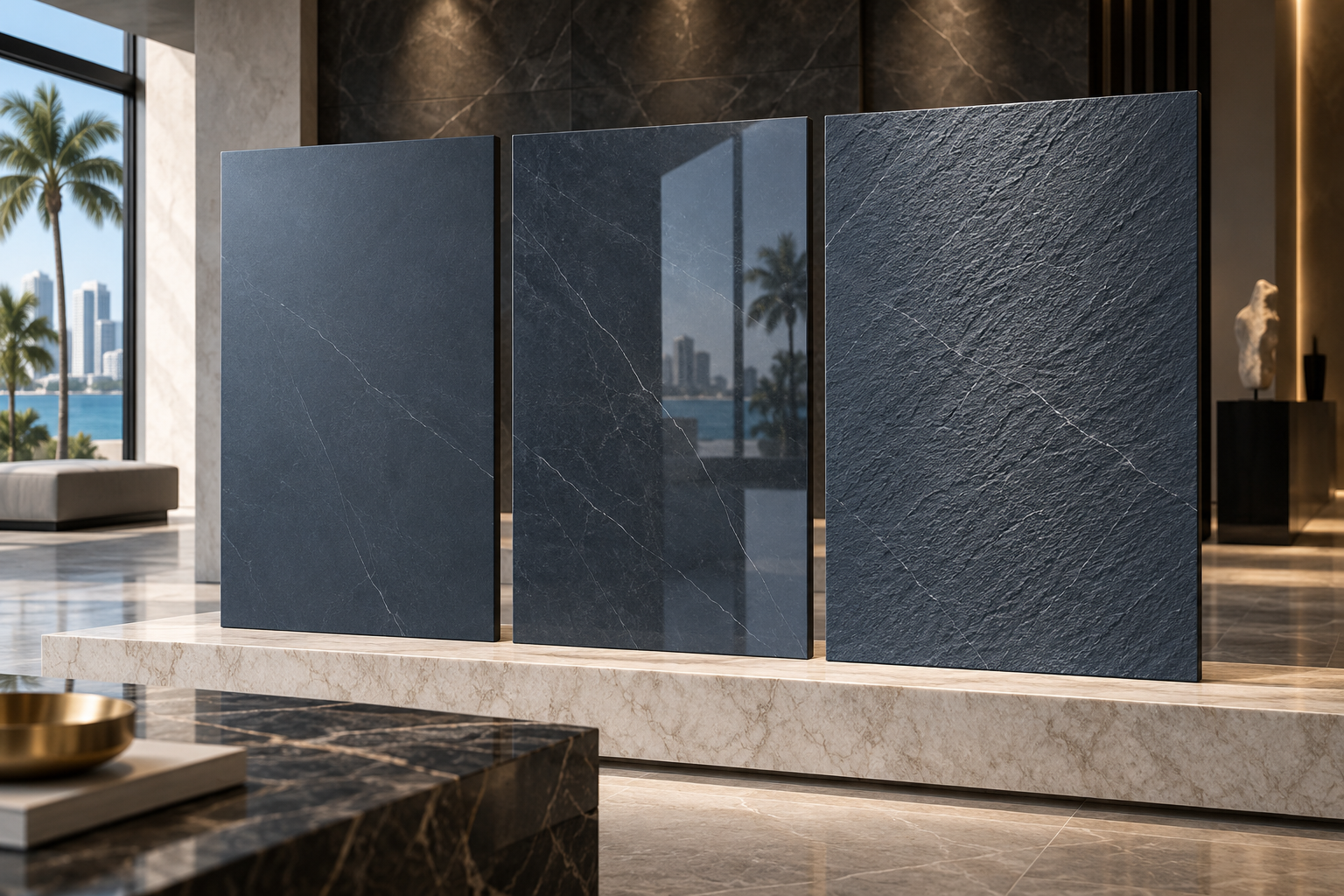
Glossy tile works as a light tool. The shiny face throws daylight and lamplight back into the room. That makes a small or dim space read brighter and larger than it really is.
Shine does its best work on vertical surfaces:
- Small bathrooms and powder rooms, where reflected light changes how the room feels.
- Shower walls, where the sheen reads clean and hotel-like.
- Kitchen backsplashes, vertical and easy to wipe clean.
- Statement walls in living rooms, dining rooms, and reception areas.
- Decorative work where the color and pattern of the tile carry the design.
Polished porcelain reaches its high shine surface through grinding, which deepens color and sharpens pattern. That same grinding leaves a dense, smooth face with very little grip. This is why polished finishes belong off wet floors.
Shine also shows everything. Water spots, fingerprints, and smudges turn up faster on a glossy surface than a matte one. On a backsplash that means a quick wipe. On a busy floor it means constant cleaning that most clients never plan for.
A polished marble or glossy porcelain entry photographs beautifully. It turns hazardous the first time someone walks in from the rain. For any entrance open to weather or wet shoes, a honed or matte version of the same material gives you the look without the risk.
Where shine belongs, commit to it. Polished marble on a vanity or a fireplace wall gives a depth that no matte surface can copy.
Textured Tile: Where Grip Comes First
Textured tile gets chosen for safety before style. Raised patterns, fine ridges, abrasive grain, or a stone-like profile create grip. Neither matte nor glossy surfaces reach it in demanding wet areas.
Textured finishes suit:
- Shower floors in homes and hotels alike, where small formats add grout lines and grip together.
- Pool decks, spa surrounds, and anything bordering standing water.
- Outdoor patios, terraces, and entrance steps exposed to rain.
- Restaurant entries and commercial floors where moisture meets heavy traffic.
- Public spaces where a documented slip classification forms part of the specification.
The current standard sorts hard surface flooring into five product use categories. The Tile Council of North America publishes the table. Interior Dry and Interior Wet each carry a number, 0.42 DCOF. Interior Wet Plus, Exterior Wet, and Oils and Greases carry no number at all. They rest on the maker declaring the product fit for that use.
That gap matters when you write a specification. For a pool deck or a barefoot area, no published number settles it. You need the maker to have classed the product for that use.
TCNA states plainly that DCOF and slip resistance mean different things. The measured value must not serve as the only factor in choosing a floor. Shoe sole, contaminants, drainage, cleaning, and whether the floor sits level all change the real risk. Treat 0.42 as a bar to clear, never as a safety guarantee. Anyone who presents it as one, including sources that quote the number without the caveat, has oversimplified the standard.
Glazed tile also carries a visible abrasion class from 0 to 5 under ASTM C1027. It measures how readily wear shows on the surface, and higher classes suit heavier traffic. Take the class from the maker’s data for the actual product rather than guessing it from the finish. Check the ratings with the rest of the specification before anything gets ordered.
Texture costs you cleaning time. The relief that grips also holds sand, dirt, and soap residue, so a brush beats a flat mop. For textured surfaces and pavers outdoors, most clients take that trade gladly.
Satin, Honed, Lappato, And Tumbled Finishes
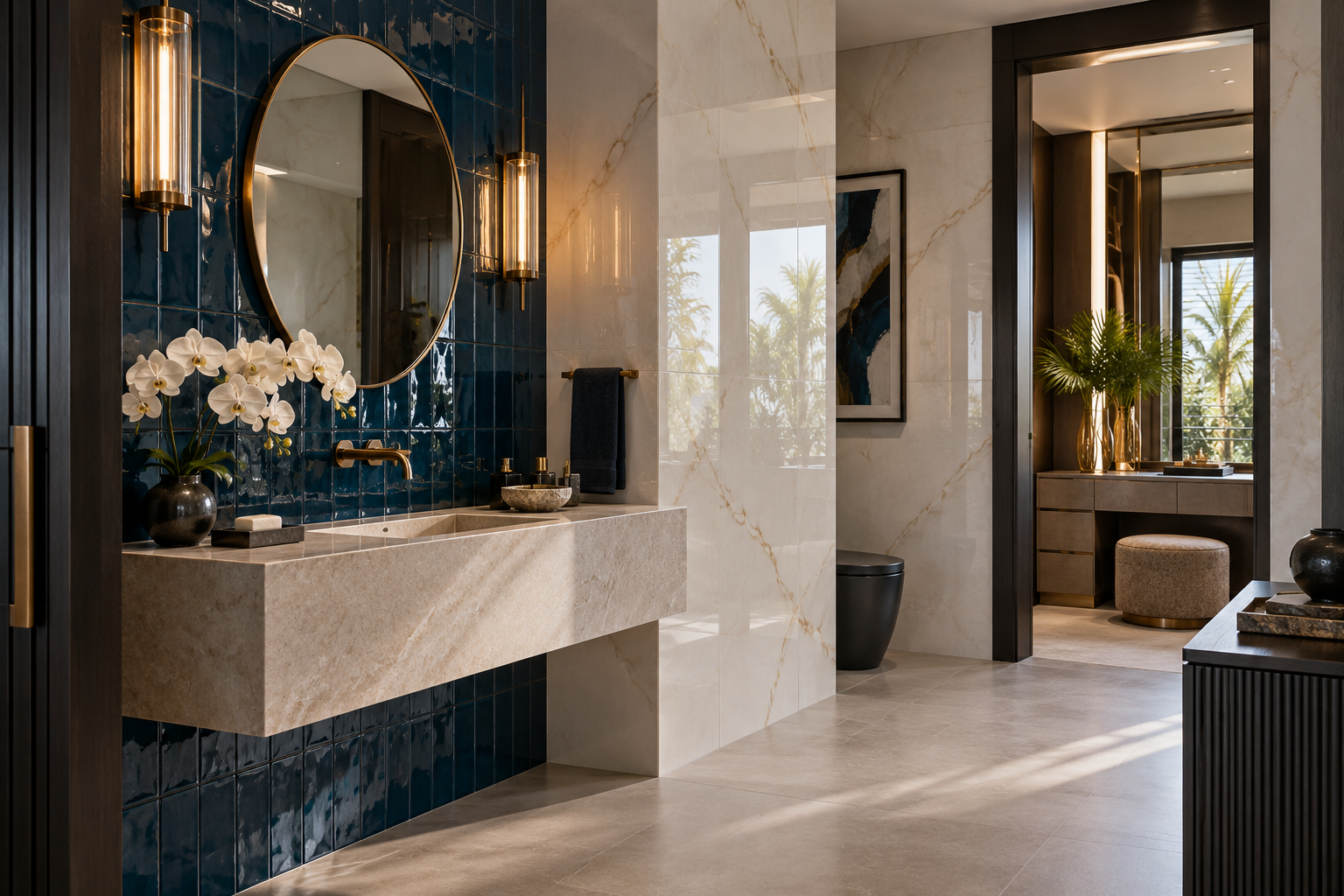
The three headline finishes leave out the ones designers reach for most. These sit between the extremes and solve problems the obvious choices cannot.
- Satin carries a soft sheen between matte and polished. It warms an interior wall and gives back some light without the mirror quality of gloss.
- Honed grinds the surface smooth, then stops short of polishing. You get a velvety matte face with more grip than a polished one, and it hides etching on stone far better.
- Lappato, sometimes sold as semi-polished, polishes some zones and leaves others matte. The result plays light and shadow across a single tile.
- Tumbled gives a worn, rough face with softened edges. It reads rustic and grips well.
- Natural or unglazed keeps the material close to how it left the quarry. Tough, more textured, and in need of sealing.
Honed deserves a close look on travertine and limestone. A matte face hides the etching that acidic spills leave behind. A polished version of the same stone shows every mark.
Polished and lappato finishes expose flatness problems that matte hides. The Ceramic Tile Education Foundation advises keeping lippage near 1/32 inch, about the thickness of a credit card, with the floor flat within 1/8 inch across 10 feet. Reflected light travels along a floor and turns a small step between tiles into a visible ridge.
Matte vs Glossy vs Textured: Side By Side
No finish wins outright. The right one matches the room, the safety need, and how much cleaning anyone will really do.
Comparing Finishes For A Live Project?
Tell us the room, the traffic, and whether it gets wet. We will pull matching samples in each finish so you can judge them in your own light. Start with the full catalog, or the tile calculator for quantities.
Choosing A Tile Finish Room By Room
Bathrooms And Wet Areas
Put matte or textured porcelain on the floor and save the glossy finish for the walls. The floor carries the slip risk. The wall carries the light. Give each surface the finish it suits and you get a safer, better looking room.
Where natural stone drives the design, upkeep changes. The Natural Stone Institute explains that the products sold as stone sealers repel liquid rather than sealing the surface. They make stone more stain resistant, not stain proof. Honed porcelain that reads as marble or travertine gives a close look with far less upkeep.
Kitchens And High Traffic Floors
Matte porcelain stays the standard here. It holds its looks under repeated cleaning and does not show wear the way a polished face does. Check the abrasion class alongside the slip class, since a floor needs both.
Outdoor Spaces
Outdoor floors need water resistance, UV stability, frost tolerance where it applies, and grip. Textured porcelain handles all four, which is why it rules patios, pool surrounds, and terraces. Our guide to indoor and outdoor tile covers the ratings that apply in South Florida.
Feature Walls And Design Impact
Vertical surfaces free you from slip worries entirely. A glossy porcelain or mosaic feature wall throws light back and adds depth to the architecture around it. The full range, from high shine through lappato to satin, gives designers real control over how much the surface returns.
Commercial And Residential Finish Selection
The priorities split sharply between these two contexts, and finish choice should follow.
Residential work balances comfort, style, and low upkeep, so the choices can be more personal. Commercial work runs on documented safety classes, toughness under volume traffic, and fit with professional cleaning. Long term cost of ownership matters too.
Across hospitality, healthcare, retail, and corporate interiors, matte and textured porcelain floors stay the steady answer. Some projects need hard technical performance and design distinction at once. There, engineered materials and porcelain slabs clear a technical review and a design review together.
- ✓Product use classification confirmed for the actual wet or dry condition
- ✓Abrasion class checked against the expected traffic
- ✓Cleaning method and frequency agreed with whoever maintains it
- ✓Samples viewed in the real room, at the time of day it gets used
- ✓Grout color chosen alongside the finish, not after it
- ✓Floor and wall finishes checked as a pair
- ✓Installer consulted on flatness where a polished or lappato surface is planned
For commercial work, check every rating before the finish gets locked. For residential work, view samples in the room itself. How a tile reads under showroom track lighting has little to do with how it reads in a north-facing bathroom at seven in the morning.
Clients rarely regret a color. They regret a finish, and almost always the same way: something polished went on a floor that gets wet, or something deeply textured went somewhere that needs mopping every day.
The Cavastone team, Boca Raton, Florida
Why South Florida Designers Work With Cavastone
Connie Davalos founded Cavastone in Boca Raton in 2006, after her family immigrated from Colombia. Nearly two decades on, the business serves architects, designers, builders, and homeowners across the region.
We source collections directly from Spain and Italy, and many reach this market through us alone. That widens the finish range on a given material. It counts when a project needs one look across a wet floor and a feature wall.
- Trade pricing for professionals and retail pricing for homeowners, with the same consultation either way.
- No hurdles on samples or pricing requests, so you can compare finishes properly before committing.
- A team approach with no internal sales competition, so the advice follows the project.
- On-site visits when a job runs into trouble, including issues unrelated to our own material.
- Material supply only. We do not install, which keeps our advice clear of any stake in the labor.
Professionals across the region can check our South Florida service areas. You can also read how designers weigh stone against stone-look porcelain when the finish decision turns on upkeep.
Visit The Boca Raton Showroom
See The Finishes In Your Own Light
Bring the room, the traffic, and the conditions. We will pull matching samples across matte, honed, satin, polished, and textured, so you decide on evidence.
FAQ: Common Tile Finish Questions
What Are The Main Tile Finish Types?
Most products fall into matte, glossy or polished, satin, honed, semi-polished or lappato, textured, tumbled, and natural or unglazed. Matte soaks up light and grips well. Glossy and polished throw light back and read bright. Satin sits between the two with a soft sheen. Textured and tumbled add relief for traction. Natural finish tiles keep the look the material had when it left the quarry. Unglazed surfaces need sealing to resist staining.
What Is The Best Tile Finish For A Shower Floor?
Matte or textured porcelain belongs on a shower floor. Both hold grip far better than a shiny tile once water and soap residue arrive. A small format with more grout lines adds even more traction underfoot. Check the maker’s product use class before you commit. Look for a surface classed for wet or barefoot use, not one that only carries a dry rating.
Are Matte Tiles More Slip Resistant Than Glossy Tiles?
As a rule, yes. A matte surface scatters light instead of throwing it back, and the same fine roughness that kills the shine gives a shoe or a bare foot something to hold. Glossy tiles run smoother and denser at the face, so they lose grip fast in wet conditions. Treat that as a pattern, not a promise. The published rating for the actual product always beats the category.
Do Glossy Tiles Make A Room Look Bigger?
They can. A high shine surface bounces daylight and lamplight around a room. That lifts the brightness and makes a compact space read larger than it is. The effect works hardest in small bathrooms, windowless powder rooms, and narrow hallways. Matte finishes soak light up instead. A dark matte floor in a small room with little daylight can make the space feel closed in.
Which Tile Finish Types Hide Dirt Best?
Matte hides dust, footprints, and light scuffs better than any glossy surface, which is why it suits busy kitchens and entryways. Glossy tiles show water spots, smudges, and fingerprints almost at once, though they wipe clean in seconds. Textured tiles sit in the middle. They hide marks well, but the relief traps sand and soap residue, so they want a brush rather than a flat mop.
Can I Mix Matte And Glossy Tiles In One Room?
Yes, and the pairing usually improves the room. The most reliable version puts matte or textured tile on the floor and keeps the glossy finish for walls. The floor carries the slip risk. The wall carries the light. Keep the grout color the same across both and the two finishes read as one scheme rather than two separate calls.
Are Textured Tiles Harder To Clean?
They ask for a little more effort. The relief that creates grip also holds fine grit, soap residue, and grime in its grooves. A flat mop passes over the low points without lifting much. A soft brush and a pH-neutral cleaner on a regular schedule keeps them working. Most clients take that trade on a pool deck or a shower floor, where grip matters more than cleaning time.
Does Natural Stone Come In The Same Finishes As Porcelain?
Largely yes, though the upkeep differs. Stone arrives polished, honed, brushed, or tumbled, and each one changes the look and the porosity. The Natural Stone Institute notes that the products sold as stone sealers act as repellents rather than true seals. They make a surface more stain resistant, not stain proof. Porcelain that copies marble or travertine in a honed finish gives a similar look with less upkeep.
How Do I Choose Between Tile Finish Types For My Project?
Start with what the surface does, not how it looks. Ask whether it gets wet, how much traffic it takes, who walks on it, and how often anyone will clean it. The answers usually cut the field to one or two options before style enters the talk. Then view samples in the real room, at the hour you use it most. Showroom lighting flatters a finish in ways daylight does not. That order, function first and looks second, keeps tile finish types working for the space rather than against it.
- Dynamic Coefficient of Friction, Frequently Asked Questions, Tile Council of North America
- The Top Ten Requirements for a Quality Tile Installation, Ceramic Tile Education Foundation
- Is Your Floor or Wall Flat Enough for Large Format Tile?, Ceramic Tile Education Foundation
- Learn About Cleaning Products for Natural Stone, Natural Stone Institute