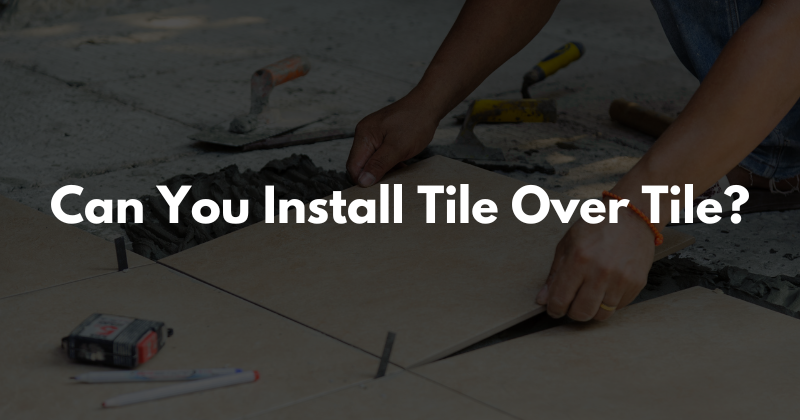
Imagine this: you’re finally ready to update that old bathroom with its outdated tile.
But the thought of ripping it all out? Ugh!
Expensive, messy, and time-consuming. That’s where the idea of tiling over tile comes in.
It sounds like the perfect shortcut, right?
Maybe. Tiling over tile can save money and time, but you must know essential things first.
Before you start slapping new tiles on top of the old ones, let’s explore whether “Can you install tile over tile?” is even the right question for your project in 2026.
Why Tile Over Tile is So Tempting
Okay, so you’re intrigued by the idea of tiling over tile. It’s easy to see why!
This method has some serious perks that can make your renovation much smoother.
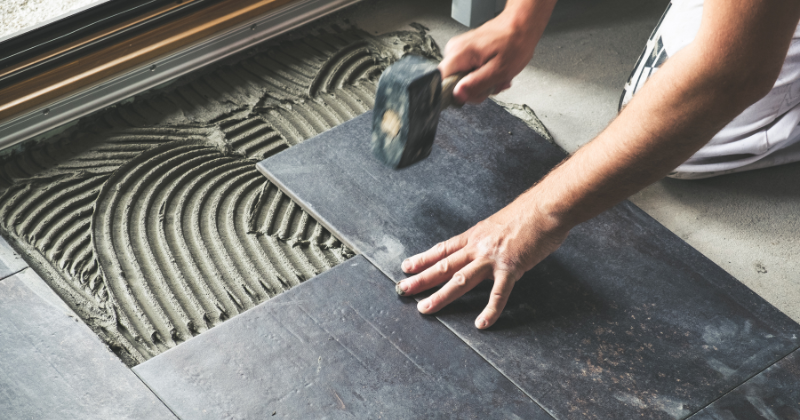
- Cost-effective: You won’t have to pay someone to demolish your old tiles, haul away the debris, and then prep the surface for new tiles. That’s a lot of saved cash!
- Time-saving: You can skip the demolition and get straight to how to install porcelain tile (or any other tile you choose). This means less time with your bathroom or kitchen out of commission.
- DIY-friendly: Sometimes, you can tile over tiling tiles and save even more money.
But hold on! Even though it seems like a quick and easy fix, it’s not always the best idea.
You need to ensure your tile floor is a good candidate before jumping in. We’ll dive into those details next.
Just remember, while a quick fix’s appeal is strong, evaluating your options is crucial. You don’t want to create more problems down the road with your existing tile floor!
Is Your Tile Floor Ready for a Makeover?
Before you get excited about tiling over tile, you must play detective! It’s time to check if your existing floor is up for the task. Here’s what to look for:
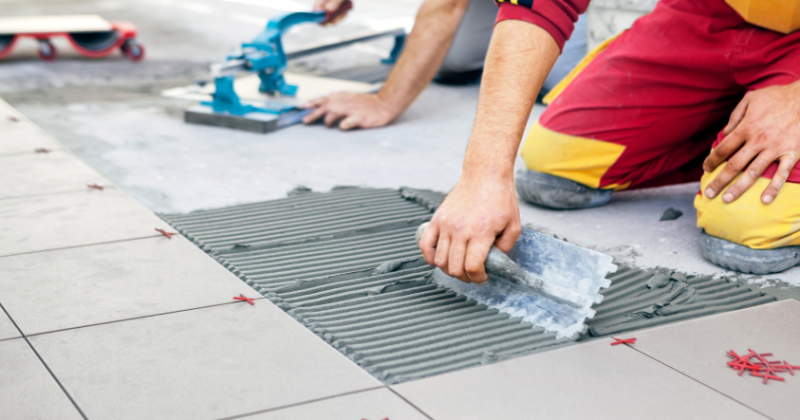
- Solid as a Rock: Give your floor tiles a good once-over. Are any cracked or loose? Do you hear a hollow sound when you walk on them? If so, that’s a big no-no. You need a stable base for your new tiles.
- Smooth Operator: Run your hand over the tile surface. Are the tiles perfectly flat, or do they have edges that stick up? This is called lippage, which can cause problems with your new tile installation.
- Squeaky Clean: Grease and grime are the enemies of a good bond. Make sure your existing floor is spotless before you start.
- Tile Type Matters: Some tiles are trickier to work with than others. For example, natural stone flooring or tiles with a rough texture can make it harder for the new tile to stick.
Height: A Growing Concern
Think about this: adding a new tile layer increases your floor.
This might seem minor, but it can lead to problems such as doors that no longer close, appliances that don’t fit, and uneven transitions between rooms.
Luckily, there are ways to deal with this, like using transition strips or adjusting your fixtures.
Sticking Together: The Bond
For your new tile installation to last, it must stick like glue to the old tile.
This means using the right materials. Special mortars are designed for tile-on-tile applications.
If porcelain is a trend in your home renovation, remember that bonding porcelain tile can sometimes be trickier, so using the correct mortar is essential.
Don’t Forget the Insides
What’s going on beneath those tiles? If you have plumbing or electrical lines running under your floor, ensure you can still access them after tile over it.
Rules and Regulations
Believe it or not, there might be rules about tiling over tile where you live! Some places have building codes that restrict it, especially in wet areas like bathrooms. It’s always a good idea to check with your local authorities before you start any project.
When Tiling Over Tile is a No-Go
Sometimes, tiling over tile is not the right way to go. It’s like trying to build a house on a shaky foundation – it’s just asking for trouble! Here are some situations where you should consider other options:
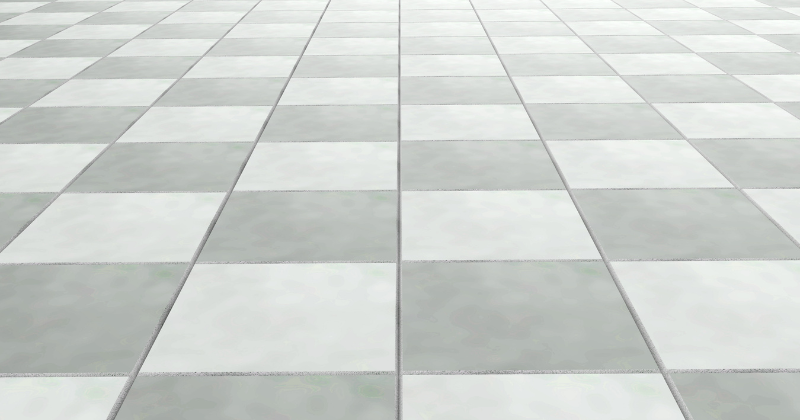
- Tile Trouble: If your old floor has many cracks, loose tiles, or feels bouncy when you walk on it, it’s not a good candidate for re-tiling. The problems underneath will only get worse with another tile layer on top.
- Too Many Layers: Have you already tiled over the tile? Adding another layer can make your floor too thick and heavy, which can be especially risky if you have a wood subfloor.
- Moisture Mystery: Do you see any signs of water damage, mold, or mildew? If so, you need to find the source of the problem and fix it before you consider tiling. Trapping moisture under your new tiles is a recipe for disaster.
- Unstable Ground: If your subfloor isn’t solid (like a wobbly wood floor), it won’t support the weight of more tiles. This is especially true for heavy tiles like granite tiles or marble tiles.
- Heating Hazards: If you have underfloor heating, tiling over it can interfere with its operation. It can also trap heat and damage your tiles.
In these cases, it’s best to bite the bullet and obliterate your old floor.
It might be more work, but it will save you headaches in the long run.
Your new tile job will start with a smooth surface, and you can consider switching to different materials, like luxury stone tiles if you want to give your space a whole new look.
Steps for a Successful Tile-Over Tile Installation
After checking everything, your original tiles are ready for a new layer. Awesome! Now, let’s get down to business. Prepping your existing floor is super essential for a successful tile job.
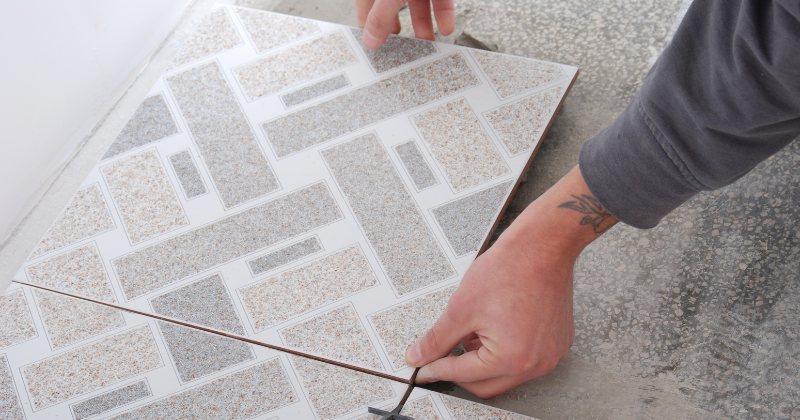
Preparation is Key:
- Thorough cleaning and degreasing: First, give those tiles a good scrub to remove dirt, grease, and grime. You want a sparkling-clean surface on which the new tiles will adhere.
- Repairing minor imperfections: Do you have any cracked or loose tiles? Now’s the time to fix them. You don’t want any weak spots under your new tile. If you hear a hollow sound when you tap on a tile (we call those drummy tiles), it must be secured or replaced before proceeding.
- Priming the surface: Priming your tiles is like giving them a unique coat that helps the new tiles bond better. Different primers are available, so ask your local hardware store for the right one for your project.
Choosing the Right Materials:
- Tile selection: You have many options for choosing your new tiles. However, heavier tiles, like some porcelain tiles, can put more stress on your floor. If you’re going for large-format tiles or porcelain slabs, ensure your floor can handle the extra weight.
- Mortar: For tiling over tile, you’ll need a special type of mortar called “modified thin-sett.” It’s designed to stick to smooth surfaces.
- Grout: Choose durable and stain-resistant grout, especially if you’re tiling a floor in a high-traffic area.
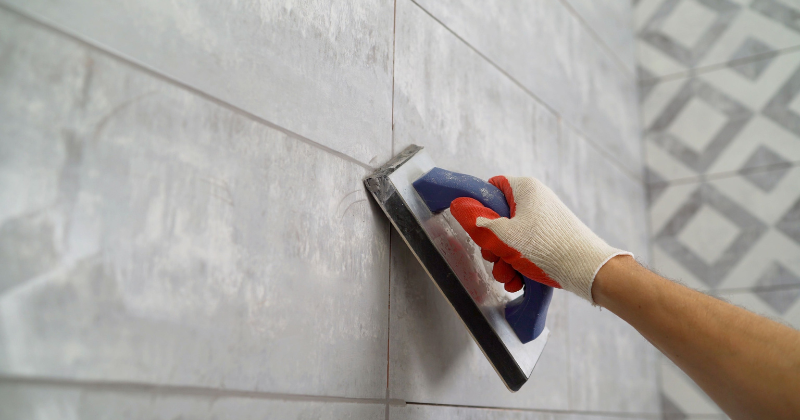
Installation Process:
- Layout planning and marking: Before sticking tiles down, plan your layout. Where do you want to start? How will the tiles fit around the edges? Use a chalk line to help keep your rows straight.
- Applying mortar and placing tiles: Using a notched trowel, apply mortar to the back of each tile. Then, press the tile firmly onto the existing floor, leaving space between the tiles for grout.
- Grouting and sealing: It’s time to grout once the mortar has dried. Fill the spaces between the tiles with grout, then wipe away the excess. After the tile grout dries, seal it to protect it from stains and moisture.
And there you have it! With careful prep and the right materials, you can successfully tile over your original tiles and give your space a new look.
Thinking Beyond Tiling Over Tile
Tiling over tile can be a great option, but it’s not the only one!
Sometimes, exploring other ways to update your floors or walls is better.
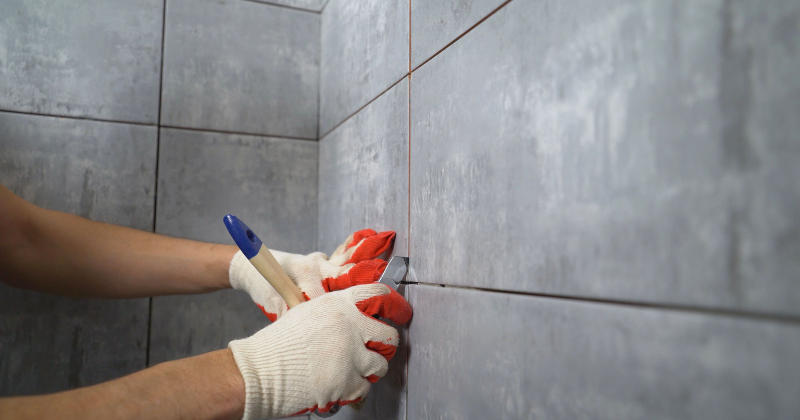
Out with the Old, In with the New
One option is to remove your old tile and start fresh completely. This might seem like a lot of work (and it can be!), but it gives you a clean slate. You can fix any problems with your subfloor and even change the layout of your tiles. Plus, you don’t have to worry about adding height to your floor.
Exploring Other Flooring
Maybe it’s time for a completely different look! Have you thought about other flooring options like vinyl or laminate? They come in many styles and colors and can be easier to install than tile.
A Fresh Coat
If you like the layout of your existing tile but want to update the look, you can try resurfacing. You can paint your tile or use an epoxy coating to give it a new color and finish. This can be a good option for backsplash tiles in your kitchen or bathroom.
Ultimately, the best way to update your tile depends on your specific needs and preferences. Consider your budget, your DIY skills, and the overall look you’re going for. Don’t be afraid to get creative and explore all your options!
What’s Hot in Tile This Year?
Just like fashion and music, tile trends change over time! So, what’s new and exciting in the world of tile in 2026?
Super-Sized Tiles
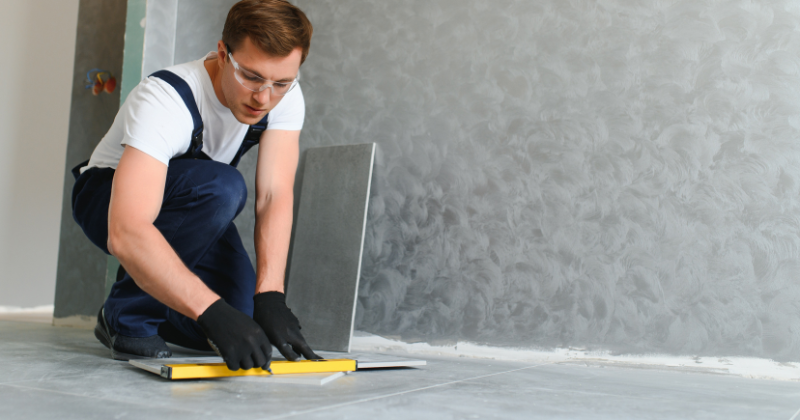
Have you seen those giant tiles that look like they came from a palace? Those are called large-format tiles and are super popular right now. They can make your room look bigger and more modern. And guess what? They can sometimes work for tiling over tile, too!
But remember, more oversized tiles mean more weight, so ensure your floor can handle it.
Thin is In
Another remarkable trend is thin porcelain tile. These tiles are super thin and lightweight, which makes them a good option if you’re worried about adding too much weight to your floor.
Stick With the Best
Even the adhesives and mortars used to adhere the tiles to the floor are improving! New adhesives and mortars are more potent and easier to use.
Going Green with Tile
More and more people are thinking about the environment when they choose tile. There are now lots of eco-friendly options made from recycled materials. And some installation methods use less water and energy, which is good for the planet.
So, if you’re considering tiling over tile, keep these trends in mind! They might give you some fresh ideas for your project.
Tile Over Tile, Time Over Time
So, can you install tile over tile in 2026? The answer is… it depends!
It can be a great way to update your space if your existing tile is in good shape and you’re careful about the process.
But remember, it’s not always the best choice. Before you start, check your floor to ensure it’s solid, even, and clean. And don’t forget to think about things like height and building codes.
If you’re unsure, asking a professional for advice is always a good idea. With some planning and the right know-how, you can give your old tile a new life!
Whether you tile over it, replace it, or try something completely different, we hope you create a space you love. Happy tiling!
Frequently Asked Questions
Can you tile over tile on walls?
Yes, in most cases, you can tile over existing wall tile if it’s in good condition and the wall can support the weight. Be sure to clean and prep the surface properly for good adhesion.
Is it cheaper to tile over tile?
Absolutely! Tiling over tile saves you the cost of demolition, disposal, and subfloor preparation, making it a budget-friendly option.
What kind of tile can you put over existing tile?
You can use most types of tile, but lighter options like ceramic or thin porcelain are generally preferred. Consider the weight and strength of your subfloor.
How long does tile over tile last?
Proper preparation and installation can make a tile-over-tile job last many years. The key is ensuring a strong bond and a stable substrate.
Do I need a professional to tile over tile?
While it’s possible to do it yourself, tiling over tile can be tricky. If unsure, consult a professional for advice or hire an experienced installer.

Owner, Cavastone Group
With years of perseverance and pride in what we do we have become a very well known and positioned company in the Architectural and Design industry. The same perseverance, pride and attention to detail that made us become who we are, are the same qualities we strive to provide to all our customers.